Private Testicular Cancer Screening: What Men Need to Know
ArticlesMale Health

Private Testicular Cancer Screening: What Men Need to Know

Last updated: 8 July 2026

Testicular cancer is relatively uncommon, but it’s one of the cancers where early awareness really matters. Most cases are first spotted because something physically changes, which means knowing what’s normal for you is a key part of looking after your health.

In the UK, there’s no routine screening programme for testicular cancer. Instead, early detection relies on self-checking, paying attention to changes and seeing a GP promptly if something doesn’t feel right.

Private health tests can offer additional insights into certain tumour markers, but they don’t diagnose testicular cancer. They’re best seen as part of a wider approach to staying proactive about your health.

This guide explains what private testing can involve, who it may be suitable for and when it might be worth getting checked.

What is testicular cancer screening?

Testicular cancer screening refers to assessments that look for early signs or changes that might need further investigation. However, unlike some cancers, there is no standard screening test offered routinely in the UK.

This is because testicular cancer is usually noticed through physical symptoms such as:

  • a lump
  • swelling
  • heaviness
  • changes in shape or size
  • unexplained discomfort

Without a formal screening programme, early detection comes down to self-awareness and seeking medical advice quickly if anything changes.

Private testing sits alongside this - not as a screening tool, but as an option for people who want a broader look at certain cancer-related markers and risk factors.

What private testicular cancer testing can involve

Private testing does not confirm or rule out cancer, but it can offer helpful information within a wider health picture.

Blood tests and tumour markers

Some private health assessments include tumour marker checks. These markers can sometimes be raised in certain cancers, including testicular cancer, but they are not diagnostic on their own.

They are used as supporting information only, and results need to be interpreted by clinicians alongside symptoms, medical history and further investigation where appropriate.

Risk-based assessment

A broader review may consider:

  • age
  • personal medical history
  • family history
  • any recent concerns

This helps give context around your individual risk, particularly if you’ve noticed changes or have questions about symptoms.

Results and next steps

Once results are ready, they’re reviewed by a clinical team. If anything needs follow-up, clear guidance will be provided so you understand whether you need to speak to your GP or arrange further checks.

Who might consider private testicular cancer testing?

There isn’t a single group the testing is designed for, but it may feel more relevant in certain situations.

Those wanting reassurance If something feels slightly different or you’re simply unsure, private testing can offer extra information and some peace of mind.

Those with a family history A family history of testicular cancer or related conditions may make a deeper look at personal risk factors feel more appropriate.

Those taking a proactive approach Some men prefer to keep on top of their health more broadly. Private testing can sit alongside regular self-checks and awareness as part of that proactive mindset.

When should you get checked?

With no set screening schedule, timing is usually based on personal awareness.

If you notice changes A lump, swelling, change in firmness or anything unusual should always be checked by your GP. Most changes are harmless, but it’s important not to wait.

If something feels different Even without a clear symptom, a sense that something is “off” can be enough reason to speak to a professional.

If you’re unsure Uncertainty is common with testicular health. Getting checked can often help rule things out and reduce worry.

Looking after testicular health day to day

Testicular cancer is one of the cancers where self-awareness is particularly important.

You don’t need to check constantly, just get familiar with what’s normal for you. That way, you’ll quickly spot anything unusual.

If something does feel different, it’s always worth getting it checked rather than waiting to see if it resolves on its own.

What to expect from a Bluecrest Wellness appointment

At Bluecrest Wellness, the Male Cancer Risk Check is designed to be simple and easy to fit into everyday life. It offers tumour marker insights related to certain male cancers, including testicular and prostate cancers, but it is not a diagnostic test.

Before your test Once booked, you’ll receive clear instructions on what to expect. Most people don’t need to do anything special beforehand.

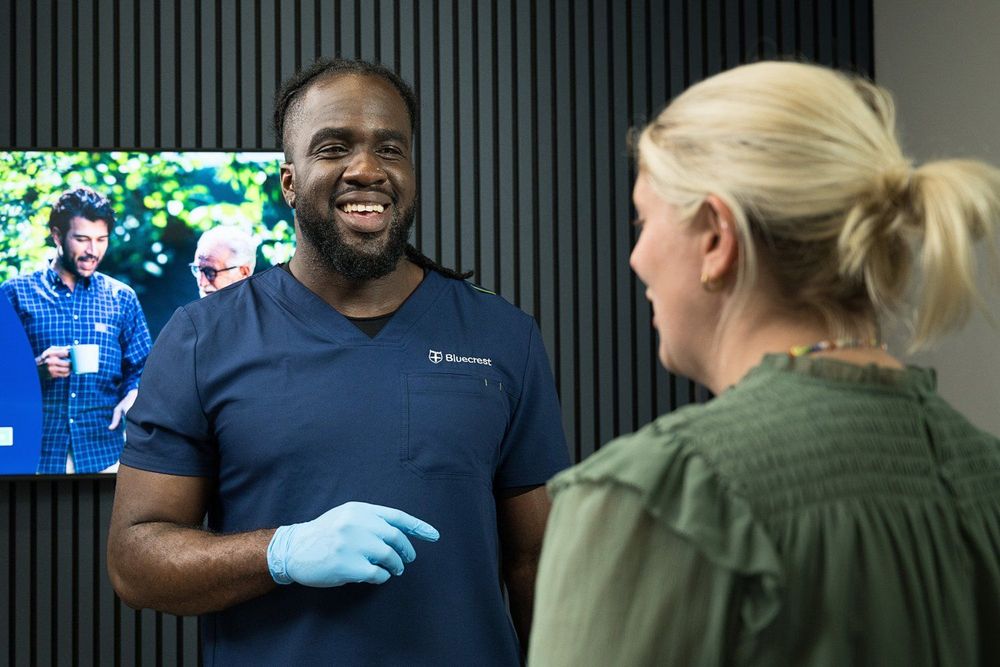
During your appointment Your appointment will be carried out by trained health assessment specialists in a calm, professional setting.

It involves:

  • a straightforward blood test
  • a brief discussion about your health history, if needed

After your results

Your results will be presented in a clear, easy-to-read format. If follow-up is recommended, you’ll be guided through your next steps so you’re not left guessing.

Book your private male cancer risk test

If you’d like a clearer understanding of certain cancer-related markers, Bluecrest Wellness offers a Male Cancer Risk Check that provides insight into tumour markers linked with testicular and prostate cancer.

It can support a more informed approach to your health and help guide conversations with your GP where appropriate.

BOOK NOW

Need help? Call free on 0800 652 2183 to speak to one of our team.

AUTHOR

Dr Martin Thornton

Chief Medical Officer, Bluecrest

As the Chief Medical Officer at Bluecrest, Dr Thornton is dedicated to improving health outcomes through patient-centered prevention strategies and in identifying what can be measured and tracked to improve health. | LinkedIn
REVIEWED BY

Graham Jones

Medical Writer

As a Medical Writer for Bluecrest, Graham has a passion for science communication and is dedicated to making health information clear, accurate, and accessible, turning complex medical information into content that empowers people to take charge of their health and supports preventative care.
ARTICLE TAGS
SHARE THIS ARTICLE
Other Articles
    Nurse cleaning a man's arm to take a blood sample.
    Male Health

    What Health Checks Should Men Get?

    Discover the health checks every man should prioritise for optimal wellbeing. From routine health checks to preventive tests, find out how Bluecrest can help.

    READ ARTICLE
    Man sitting in front of a bookshelf smiling.
    Male Health

    Where Can You Get A Men's Full Health Check?

    Do you want to learn more about your general health? Discover where you can get a men’s full health check and take proactive steps to managing your wellbeing.

    READ ARTICLE
    How to Increase SHBG Naturally
    Male Health

    How to Increase SHBG Naturally

    Discover natural ways to increase SHBG, support hormone balance and improve wellbeing. Learn the key lifestyle changes that may help raise SHBG levels safely.

    READ ARTICLE
    Man sitting in front of a bookshelf smiling.
    Male Health

    What are the Signs of High Testosterone?

    What are the signs you have high testosterone? Discover common symptoms in men and ways to reduce your levels or book a testosterone test today.

    READ ARTICLE
    What is SHBG?
    Male Health

    What is SHBG?

    What is SHBG? Explore the role of SHBG in men’s health, how to measure it and the effects of imbalances on overall wellbeing and hormone levels.

    READ ARTICLE
    What are the most common cancers in men?
    Male Health

    What are the most common cancers in men?

    Find out which cancers are most common in men, what symptoms to be aware of and how a Bluecrest cancer risk check can help you make confident health decisions.

    READ ARTICLE
    Men's health checklist: what you should be checking at your age
    Male Health

    Men's health checklist: what you should be checking at your age

    Learn the essential health checks men should have in their 20s, 30s, 40s, 50s and beyond to maintain their energy, strength, mood and long-term wellbeing.

    READ ARTICLE
    Men’s health checklist
    Male Health

    Men’s health checklist

    Stay on top of your health with our Men's Health Checklist. Learn what to monitor, when to test and how a health check can help you catch issues early.

    READ ARTICLE
    Who is at risk of prostate cancer?
    Male Health

    Who is at risk of prostate cancer?

    Age, ethnicity, family history and lifestyle are key prostate cancer risk factors. Understand how they impact you and how early PSA testing supports detection.

    READ ARTICLE
    What are the symptoms of low testosterone?
    Male Health

    What are the symptoms of low testosterone?

    Low testosterone can affect mood, energy, libido and more. Understand the symptoms and how testing can help you take control of your health.

    READ ARTICLE
    How to Reduce FSH Levels in Males Naturally
    Male Health

    How to Reduce FSH Levels in Males Naturally

    Find out how simple, evidence-backed lifestyle and nutrition changes can help reduce high FSH levels, improve fertility and support overall hormonal health.

    READ ARTICLE
    Testosterone Replacement Therapy: Is it Right for You?
    Male Health

    Testosterone Replacement Therapy: Is it Right for You?

    Testosterone replacement therapy (TRT) explained - including signs of low testosterone, treatment options and when it may or may not be appropriate.

    READ ARTICLE
    LH in men: what it means and why it matters
    Male Health

    LH in men: what it means and why it matters

    LH (luteinising hormone) supports testosterone production and fertility in men. Discover its role, symptoms of imbalance and when to take a hormone test.

    READ ARTICLE
    Does Alcohol Lower Testosterone?
    Male Health

    Does Alcohol Lower Testosterone?

    Understand the impact of alcohol on testosterone, spot signs of low levels and find safe, effective ways to support your hormonal health and wellbeing.

    READ ARTICLE
    Do Men Have Oestrogen?
    Male Health

    Do Men Have Oestrogen?

    Men do produce oestrogen and it plays a vital role in bone health, mood, libido and more. Learn the signs of oestrogen imbalance and how to check your levels.

    READ ARTICLE
    What Role Does FSH Play In Male Fertility?
    Male Health

    What Role Does FSH Play In Male Fertility?

    Learn how FSH affects male fertility and why testing hormone levels can reveal key insights into your reproductive health and overall vitality.

    READ ARTICLE
    Symptoms of High Prolactin in Males
    Male Health

    Symptoms of High Prolactin in Males

    Discover the signs, causes and treatment options for high prolactin levels in men. Learn when to consider a hormone check for better health insights.

    READ ARTICLE
    Man sitting in front of a bookshelf smiling.
    Male Health

    What are the Signs and Symptoms of Prostate Cancer?

    Prostate cancer is one of the most common cancers affecting men in the UK. Discover more about the symptoms of prostate cancer and understand your risk.

    READ ARTICLE
    Man sitting in front of a bookshelf smiling.
    Male Health

    Movember motivation

    The month formally known as November is taken over every year by Movember - one of the biggest charities and global health campaigns in the world. It puts the spotlight on men’s health, and amongst other awareness and fundraising activities encourages men to grow moustaches – the bigger, weirder and more wonderful the better.

    READ ARTICLE
    What are the Key Male Hormones?
    Male Health

    What are the Key Male Hormones?

    Uncover the fundamental aspects of male hormonal regulation in our in-depth guide exploring the key male hormones, their importance and their functions.

    READ ARTICLE
    Man sitting in front of a bookshelf smiling.
    Male Health

    What is a Well Man check?

    A Wellman check is a comprehensive health assessment specifically designed for men. It typically includes a series of tests and evaluations to monitor and promote overall health, identify potential health issues early, and provide personalised recommendations for maintaining optimal health and wellness.

    READ ARTICLE