What vitamins help with your immune system?
Your immune system is your body’s natural defence system. It protects you from infections, fights off bacteria and viruses and helps your body recover when you are unwell. While a balanced diet, regular exercise and sleep all play a vital role in keeping your immunity strong, certain vitamins are particularly important for supporting a healthy immune response.
In this article, we’ll take a closer look at the key vitamins that support your immune system, explain what they do in the body and suggest practical ways to include them in your everyday diet.
How vitamins support your immune system
Vitamins are essential nutrients that your body cannot produce in sufficient quantities on its own. They play a key role in the production and function of immune cells, support the skin and gut barrier and help regulate inflammation. Without enough of these nutrients, your immune system may struggle to respond effectively.
Some vitamins help protect your cells from everyday wear and tear, while others support the production of antibodies, the tools your body uses to recognise and fight off germs.
Vitamin C
Vitamin C is perhaps the most well-known vitamin for immunity. It is essential for the growth and repair of tissues throughout the body and supports the function of white blood cells, which fight infections.
Vitamin C also acts as an antioxidant, helping protect your immune cells from damage. Regular intake has been associated with a reduced risk of developing infections and may help shorten the duration of colds.
Good sources of vitamin C include:
-
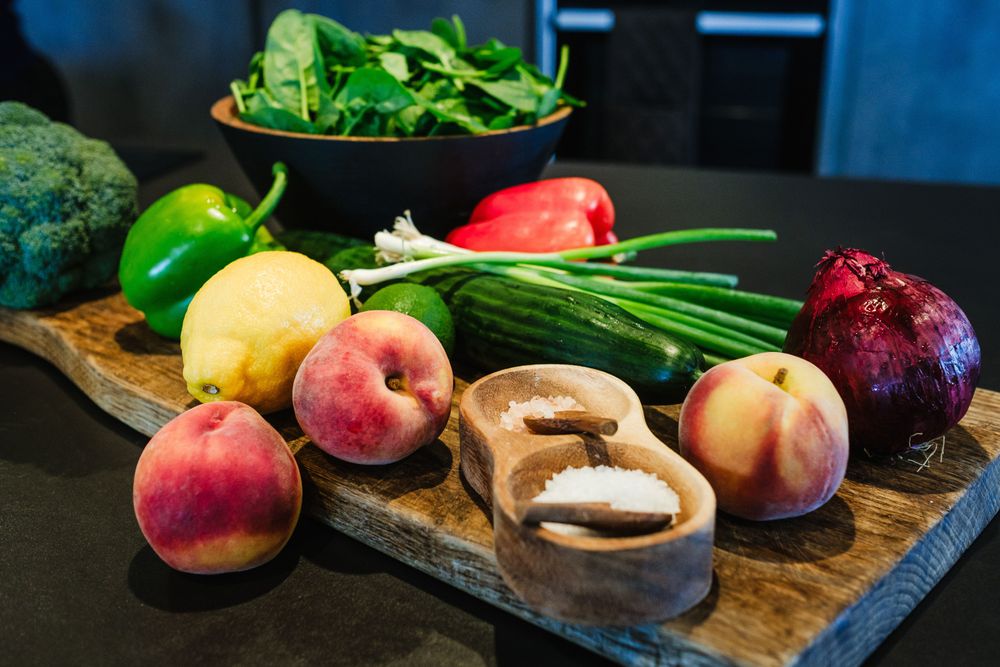
Citrus fruits such as oranges, lemons and grapefruits
-
Kiwi and strawberries
-
Bell peppers
-
Broccoli and Brussels sprouts
-
Tomatoes
Including these foods in your diet daily can help ensure you get enough vitamin C to support your immune system.
Vitamin D
Vitamin D is unique because your body can produce it when your skin is exposed to sunlight. However, in the UK, many people have low levels of vitamin D, particularly during the winter months.
Vitamin D plays a critical role in activating immune cells and regulating immune responses. Low levels have been linked to an increased susceptibility to infections.
You can boost your vitamin D levels by:
-
Spending time outdoors in sunlight
-
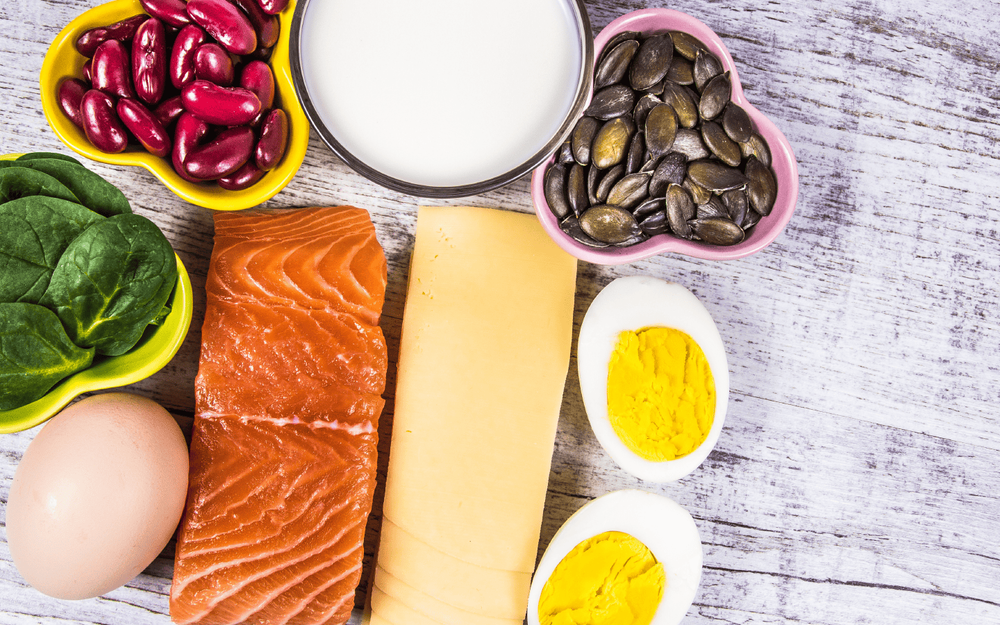
Eating vitamin D-rich foods such as oily fish, eggs and fortified foods
-
Considering supplements if recommended by a healthcare professional
Vitamin D is essential for both your innate and adaptive immune systems, helping your body fight infections more effectively.
Vitamin A
Vitamin A helps maintain the health of your skin and mucous membranes, which act as the first line of defence against bacteria and viruses. It also supports the production and function of white blood cells.
Sources of vitamin A include:
-
Carrots, sweet potatoes and pumpkin
-
Dark leafy greens such as spinach and kale
-
Eggs, liver and dairy products
Ensuring an adequate intake of vitamin A can strengthen your barriers against infection and support overall immune function.
Vitamin E
Vitamin E is another powerful antioxidant. It protects your cells from oxidative stress and helps maintain the health of immune cells. Some studies suggest that adequate vitamin E intake may improve the body’s response to infections, particularly in older adults.
Foods rich in vitamin E include:
-
Nuts and seeds such as almonds, sunflower seeds and hazelnuts
-
Vegetable oils such as sunflower or safflower oil
-
Green leafy vegetables
-
Fortified cereals
Including a variety of these foods in your diet can help maintain your immune health.
Vitamin B6
Vitamin B6 supports biochemical reactions in the immune system and is essential for producing antibodies. It also helps create neurotransmitters that regulate mood, which indirectly supports overall wellbeing and resilience to stress, a factor that can affect immunity.
Sources of vitamin B6 include:
-
Poultry, such as chicken and turkey
-
Fish such as salmon and tuna
-
Potatoes and other starchy vegetables
-
Fortified cereals
Eating a balanced diet with these foods can ensure you get enough vitamin B6 for optimal immune function.
Vitamin B12
Vitamin B12 plays a role in the formation of red blood cells and the maintenance of nerve cells, which supports overall health. Deficiency can impair immune function, making it harder for your body to fight infections.
You can find vitamin B12 in:
-
Meat, poultry and fish
-
Eggs and dairy products
-
Fortified plant-based milks and cereals
For those following a vegetarian or vegan diet, fortified foods or supplements may be necessary to maintain adequate levels.
How to get the right balance
While vitamins are important, it’s best to get them primarily from a varied diet rather than relying solely on supplements. Whole foods provide a complex mix of nutrients that work together to support your immune system.
Tips for a balanced approach include:
-
Eat a rainbow of fruits and vegetables each day
-
Include nuts, seeds, eggs and dairy in your meals
-
Choose oily fish at least once or twice a week
-
Opt for whole grains rather than refined carbohydrates
-
Consider supplementation only when dietary intake is insufficient or recommended by a healthcare professional
Lifestyle factors that support your immune system
In addition to vitamins, other lifestyle factors play a key role in keeping your immune system strong. These include:
-
Sleep: Aim for 7 to 9 hours of quality sleep per night, as sleep deprivation can weaken immune responses.
-
Exercise: Regular moderate activity can enhance circulation, allowing immune cells to move more efficiently.
-
Stress management: Chronic stress can suppress immune function, so techniques such as mindfulness, yoga or deep breathing exercises can help.
-
Hydration: Staying well hydrated supports the health of your skin and mucous membranes, which act as protective barriers.
Focusing on a combination of nutrient-rich foods and healthy lifestyle habits is the most effective way to keep your immune system functioning optimally.
When to consider checking your vitamin levels
If you frequently feel tired, get sick often or have other symptoms of nutrient deficiency, it may be worth checking your vitamin levels. A blood test can identify deficiencies and help you take proactive steps to support your immune health.
Supporting your immune system doesn’t have to be complicated. Focusing on key vitamins, a balanced diet and healthy lifestyle habits can make a real difference to your wellbeing.
How Bluecrest Wellness can help
At Bluecrest Wellness, we offer Vitamins and Minerals tests that check for key vitamins and overall nutritional status. This can give you a clear picture of your immune system and identify areas for improvement.
Every full test includes:
-
Fast, convenient appointments at local clinics
-
Expert analysis with an easy-to-read Results Report
-
Access to our free 24/7 GP helpline for a year
-
Tailored advice on next steps, including diet and supplementation
By understanding your vitamin status and making targeted changes, you can take control of your immune health and give your body the best chance to fight infections and stay well.
Need help? Call free on
0800 652 2183 to speak to one of our team.

Anna Jones
Chief Nursing Officer, Bluecrest
Graham Jones
Medical Writer