How do you test lipids?
When people talk about checking their cholesterol, they’re usually referring to a lipid test. Lipids are fats found in your blood and you need them for things like energy, hormone production and the healthy functioning of your cells. When levels drift too high or too low, it can be a sign that your body needs a little extra attention.
Testing your lipids is a simple way to understand more about your heart health and overall wellbeing. It’s also one of the quickest blood tests to take, which is why it features in so many routine health checks.
Whether you’ve been thinking about checking your cholesterol for the first time or you’re keeping an eye on your health as you get older, knowing how lipid testing works can make the whole process feel easier.
What is a lipid test?
A lipid test (also known as a lipid panel or cholesterol test) is a simple blood test that measures the main fats in your bloodstream. These include cholesterol and triglycerides, both of which play important roles in how your body functions day to day.
Your lipid test results give you a picture of how well your body is managing these fats. High levels can contribute to the build-up of fatty deposits in your arteries, which may affect circulation and place extra strain on your heart over time. Low levels can also be a sign of health concerns in some cases.
Because lipids respond to things like diet, age, stress, hormones and general lifestyle, testing them regularly helps you spot changes early and understand what might be going on behind the scenes.
What does a lipid test measure?
A standard lipid test measures four main components. Each one gives you insight into a different part of your cardiovascular health.
Total cholesterol - This is the overall amount of cholesterol in your blood. Cholesterol itself isn’t bad, your body needs it. The goal is balance, as very high levels can increase your chances of developing heart related problems in the future.
HDL cholesterol - High-density lipoprotein (HDL) is often described as the “good” cholesterol. HDL helps carry cholesterol away from the arteries to the liver where it can be broken down. Higher HDL levels are generally linked with better heart health.
LDL cholesterol - Low-density lipoprotein (LDL) is the type that can build up in the walls of your arteries. This build-up can make blood flow more difficult. A lipid test shows you whether your LDL levels are where they should be or whether they need attention.
Triglycerides - Triglycerides are the fats your body stores for energy. High levels can be linked with a number of health risks including heart disease. Testing them alongside cholesterol provides a fuller picture of your cardiovascular health.
Together, these results help you and your health professional understand your risk factors and make informed decisions about lifestyle changes or follow-up tests if needed.
How is a lipid test done?
A lipid test is one of the simplest blood tests you can take. Here’s what you can expect.
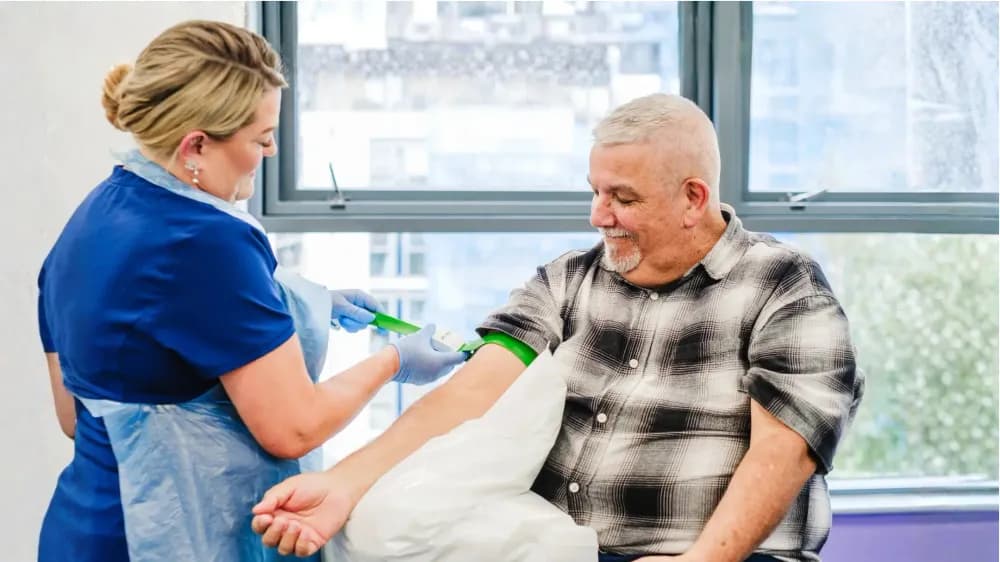
A quick blood draw - A small blood sample is taken from a vein in your arm by a trained Health Assessment Specialist. The sample is then sent to a laboratory for analysis. The test itself only takes a few minutes.
No lengthy preparation - Most modern lipid tests don’t require fasting beforehand. For most people, you can carry on with your normal day.
Fast, clear results - Your report will break down each component of your lipid profile, explain your numbers and help you understand whether your levels fall within a healthy range. Many people find that having a clear explanation helps them take control of their health with confidence.
Why might you want to test your lipids?
There are many reasons people choose to test their lipid levels at different stages of life. Here are some of the most common.
Checking in as you get older - Cholesterol tends to rise naturally with age. Testing your lipids can help you understand how your body is changing and whether any adjustments to lifestyle or diet might be useful.
Family history - If heart disease, high cholesterol or stroke runs in your family, keeping an eye on your lipid levels can be a proactive way to stay informed.
Lifestyle changes - If you’ve recently adjusted your diet, started exercising more or made changes to help support your overall wellbeing, lipid testing can help you track your progress over time.
Managing existing conditions - For those living with conditions like diabetes or thyroid disorders, lipid testing can help monitor how these conditions may be affecting your cardiovascular health.
Peace of mind - Sometimes, you just want reassurance. A quick blood test can give you helpful insight and the confidence that you’re taking steps to look after your long-term health.
What can affect your lipid levels?
Lipids can fluctuate for many reasons. Some are within your control while others aren’t. Understanding these influences can make your results easier to interpret.
Diet - Foods high in saturated fats can raise LDL cholesterol while a diet rich in fibre, fruit and vegetables can help support healthier levels.
Physical activity - Regular movement can help raise HDL cholesterol and support heart health more broadly.
Hormones - Hormonal changes throughout life can influence lipid levels. This includes menopause, thyroid hormone changes and other hormonal shifts.
Genetics - Some people naturally have higher cholesterol due to inherited factors. Regular testing is especially helpful here.
Smoking and alcohol - Smoking can lower HDL cholesterol while excessive alcohol intake can raise triglycerides.
Stress - Long-term stress can impact many areas of health including lipid levels.
What happens after you get your results?
Your lipid test results will highlight which levels are within range and which may need attention. Here’s what often happens next.
Lifestyle guidance - Many people find that small, manageable changes to food choices, activity levels or general habits can make a positive difference.
Follow-up testing - If your results suggest further investigation is needed, you may be advised to speak with your GP.
Monitoring over time - Your lipid levels aren’t fixed. Checking them regularly can help you understand patterns and track improvements.
Book a private lipid test
If you want clearer insight into your cholesterol and overall heart health, our private lipid test provides fast, accurate results to help you take control of your wellbeing. It measures key markers linked to cardiovascular risk, giving you a better understanding of how your lifestyle may be impacting your heart health.
This test can be added to any of our health MOT packages and is available UK-wide, making it easy to choose a location that works for you. Your sample is analysed by fully accredited UK laboratories, with fast, accurate results delivered straight to you.
Explore our health checks and book your appointment today.
Need help? Call free on 0800 652 2183 to speak to one of our team.

Anna Jones
Chief Nursing Officer, Bluecrest
Graham Jones
Medical Writer