How your immune system changes as you get older
Your immune system is your body’s built-in defence, protecting you from infections, viruses and other harmful invaders. But like many other systems in the body, it changes as you get older.
Understanding how ageing affects your immune response can help you take practical steps to protect your health, reduce your risk of illness and support your wellbeing as the years go by.
In this article, we explore how the immune system works, what changes occur with age, and what you can do to help keep it strong.
What does the immune system do?
Your immune system is a complex network of cells, tissues and organs that work together to defend your body from infection. It has two main parts:
-
Innate immunity – your body’s first line of defence, which reacts quickly to invaders like bacteria and viruses.
-
Adaptive immunity – a more targeted response that develops over time, helping your body “remember” previous infections so it can fight them off faster in the future.
When your immune system is working well, it can recognise and respond to threats efficiently, keeping you healthy and helping you recover quickly from illness.
How does ageing affect your immune system?
As you age, your immune system becomes less efficient at identifying and fighting off infections - a process sometimes called immunosenescence. This doesn’t mean your immune system stops working, but certain changes can make you more vulnerable to illness or slower to recover.
Some of the key changes include:
-
Fewer new immune cells: The production of new white blood cells (which fight infection) slows down with age.
-
Reduced immune response: Your body may take longer to recognise new infections or respond to vaccines.
-
Increased inflammation: Low-grade chronic inflammation, known as “inflammaging,” can put stress on your body and contribute to age-related health conditions.
-
Slower healing: Cuts, wounds or infections may take longer to heal due to reduced immune efficiency.
These changes are a natural part of ageing, but lifestyle factors can also influence how well your immune system performs.
Why immune health matters as you age
A well-functioning immune system helps protect against more than just colds and flu. It plays an important role in reducing the risk of chronic illnesses, supporting energy levels, and even promoting healthy ageing.
When the immune system becomes less effective, you might experience:
-
Increased susceptibility to infections
-
More severe or longer-lasting illnesses
-
Slower recovery after injury or surgery
-
Higher risk of inflammation-related conditions, such as heart disease or diabetes
By understanding these changes, you can take proactive steps to support your immune system and maintain good overall health.
Factors that affect immune health in later life
While ageing itself plays a role, several other factors can influence how well your immune system functions as you get older:
1. Nutrition
A balanced diet provides essential nutrients that help your body produce and regulate immune cells. Deficiencies in vitamins such as C, D, and B12, or minerals like zinc and selenium, can weaken immune response.
2. Physical activity
Regular exercise helps promote circulation, reduce inflammation, and strengthen immune defences. Activities like walking, swimming or yoga can all help keep the immune system active.
3. Sleep
Getting enough quality sleep gives your body time to repair and regenerate. Poor sleep has been shown to lower immune response and increase inflammation.
4. Stress levels
Chronic stress releases hormones that can suppress immune function, making it harder for your body to fight off infection.
5. Underlying health conditions
Long-term conditions such as diabetes, heart disease or autoimmune disorders can impact immune efficiency, making regular health monitoring even more important.
6. Medication use
Certain medications, including steroids or chemotherapy drugs, can affect immune response. It’s always important to speak with your healthcare provider if you have concerns.
How to support your immune system as you age
While you can’t stop the natural ageing process, you can make lifestyle choices that strengthen your immune system and support your wellbeing.
Eat a nutrient-rich diet
Focus on a varied diet that includes fruit, vegetables, lean protein, whole grains, and healthy fats. Foods rich in antioxidants, such as berries, spinach and nuts, help reduce inflammation and support immune cell function.
Stay active
Aim for regular, moderate exercise most days of the week. Even small amounts of daily movement can help improve immune response and overall vitality.
Prioritise sleep
Try to maintain a consistent sleep routine and aim for seven to nine hours each night. Good sleep supports immune memory and helps your body respond more effectively to illness.
Manage stress
Mindfulness, meditation, gentle exercise or time outdoors can all help reduce stress and support immune balance.
Stay up to date with vaccinations
Vaccinations are especially important in later life as your immune system becomes slower to respond to new infections. Speak with your healthcare provider about the vaccines that may be suitable for you.
Regular health checks
Routine health checks can identify any underlying issues that might be affecting your immune function, such as vitamin deficiencies or inflammation.
What role do health checks play in immune health?
Your immune system doesn’t work in isolation - it’s closely linked with other aspects of your health, including hormone balance, nutrition, and inflammation levels.
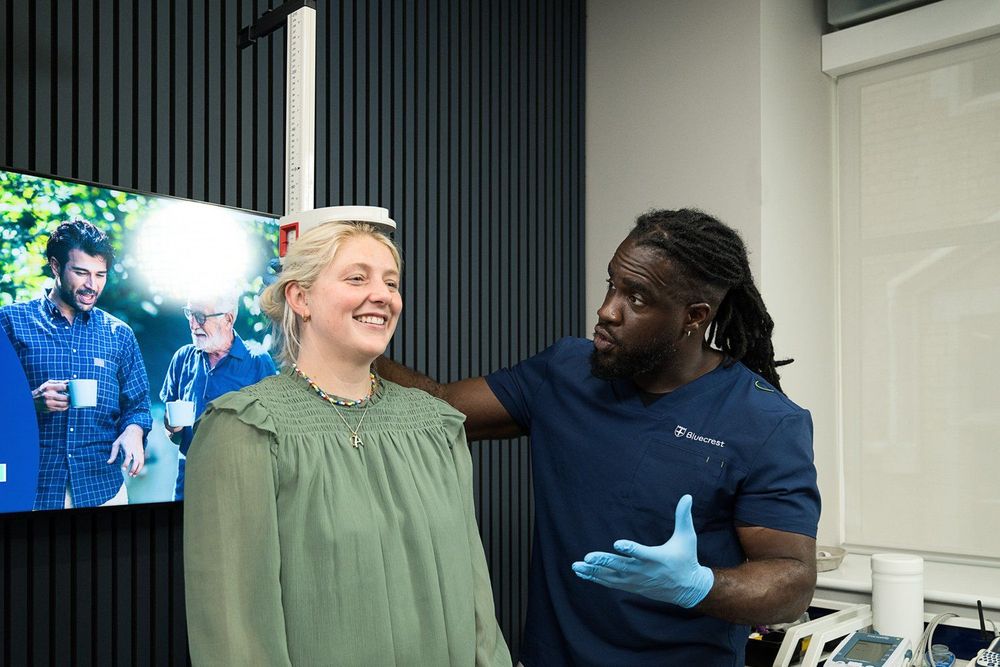
A Health MOT from Bluecrest Wellness can give you valuable insight into these areas. This comprehensive check looks at key markers that influence immune function, such as cholesterol, blood sugar, liver and kidney health, and vitamin levels.
Understanding your results helps you take targeted steps to support your immune system, improve energy levels and maintain long-term wellbeing.
Taking a proactive approach to ageing well
Ageing is inevitable, but how you age is something you can influence. Supporting your immune system through balanced nutrition, regular exercise, good sleep and routine health checks can help you stay well and resilient for longer.
Your immune health is a reflection of your overall wellbeing. By staying proactive and informed, you can reduce your risk of illness and enjoy better quality of life as you age.
Book your Health MOT with Bluecrest Wellness
If you want to understand how your immune system is performing and take steps to support your long-term wellbeing, book a Health MOT with Bluecrest Wellness.
You’ll receive an in-depth assessment of key health markers, clear explanations of your results, and practical next steps to help you stay healthy and active at any age.
Need help? Call free on 0800 652 2183 to speak to one of our team.

Anna Jones
Chief Nursing Officer, Bluecrest
Dr Martin Thornton
Chief Medical Officer, Bluecrest