Bone health explained: density, markers and testing
Your bones change throughout your life. As you get older, changes in your hormones, diet, activity levels and general health can all affect the strength of your bones.
Bone health is about more than your bone density. Knowing what can affect your bones, how to support them and when testing may be useful can help you look after them and reduce your risk of fractures.
What is bone density?
Bone density tells you how strong and healthy your bones are. It changes throughout your life, increasing as you grow and develop before gradually decreasing as you get older.
Lower bone density can make your bones weaker and more likely to break. When bone loss becomes significant, it can lead to osteoporosis.
You can have low bone density without any obvious symptoms. In fact, osteoporosis often isn't discovered until someone has a fracture. This is why checking your bone health can be important if you're at higher risk.
How is bone density measured?
A DEXA (or DXA) scan is the main test used to measure bone density. It uses a small amount of X-ray radiation to check the strength of your bones, usually around the hips and spine.
You may be offered a DEXA scan if your GP thinks you could be at higher risk of osteoporosis or a fracture. They'll consider things such as your age, medical history, any previous fractures and medicines you take when deciding whether the test is appropriate.
Your bone density result is one piece of the picture. If there are concerns about your bone health, your GP may also look at your medical history, lifestyle and other test results to understand your overall risk.
What blood tests can tell you about bone health
Blood tests can't tell you how strong your bones are, but they can provide useful information about some of the things that affect bone health.
Depending on your circumstances, your healthcare professional may check levels of calcium, vitamin D and other substances involved in bone health. Blood tests can also help look for health conditions that may contribute to bone loss or help explain why someone has developed osteoporosis or had a fracture.
Blood tests and bone density scans provide different types of information, so your healthcare professional may use one or both depending on your circumstances.
What can affect your bone health?
Bone health is influenced by a combination of factors.
- Age is one of the biggest. Bone density tends to decline as we get older, and the rate of bone loss can increase after menopause because of changes in oestrogen levels.
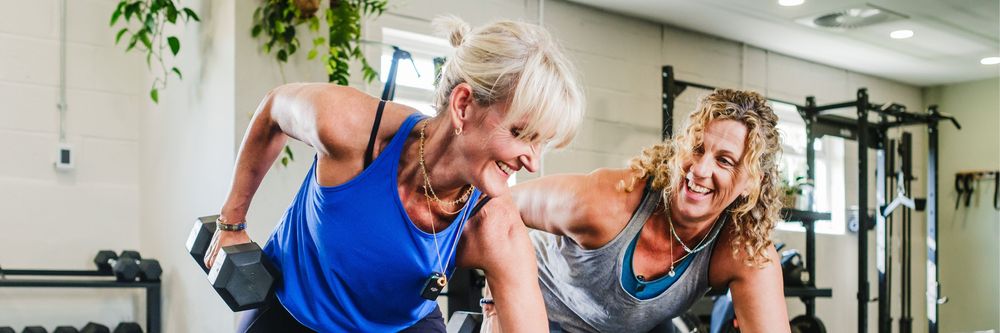
- Physical activity also matters. Bones respond to the forces placed on them, so weight-bearing activity and resistance exercise can help maintain bone strength.
- Nutrition is important too. Calcium and vitamin D are needed for normal bone health. Calcium can be found in foods such as dairy products, fortified plant-based alternatives and some fish and vegetables. Vitamin D helps the body absorb calcium.
- Some medicines and health conditions can also affect bone density. Long-term use of corticosteroids, for example, can increase the risk of osteoporosis.
- Smoking and excessive alcohol consumption can also affect bone health.
What about bone health if you have reduced mobility?
Reduced mobility can affect the amount of force placed on your bones. This is particularly relevant for people who use a wheelchair or have limited use of their legs.
When bones aren't regularly exposed to weight-bearing forces, bone density can gradually decrease. This can be particularly noticeable in the legs and hips.
If you have some mobility in your legs, standing exercises or supported standing may also help you stay active. What's suitable will depend on your mobility and overall health, so a physiotherapist can help you work out what's safe for you.
If you have reduced mobility, it's also important to be aware of the risk of fractures. If you notice unexplained swelling, a change in the shape of a limb or anything unusual after a transfer or movement, speak to a healthcare professional, even if you don't have much pain.
Can calcium and vitamin D protect your bones?
Calcium and vitamin D are both important for keeping your bones healthy. Most people can get enough calcium through a balanced diet, with 700mg a day recommended for adults in the UK.
Good sources of calcium include dairy products, fortified plant-based drinks, leafy green vegetables and fish where you eat the bones, such as sardines.
Your body makes vitamin D when your skin is exposed to sunlight, and you can also get it from certain foods and supplements. The NHS recommends that adults consider taking a daily vitamin D supplement during autumn and winter.
Some people may need to take vitamin D throughout the year. If you're unsure whether you need a supplement, speak to a GP or pharmacist.
How can you look after your bones?
There are several simple ways to support your bone health as you get older.
Regular exercise, including weight-bearing activities such as walking, dancing and climbing stairs, can help keep your bones and muscles strong. Resistance exercises, such as using weights or resistance bands, can also help.
A balanced diet with enough calcium and vitamin D is important too. Avoiding smoking and keeping your alcohol intake within recommended limits can also help protect your bone health.
If you have osteoporosis or are at higher risk of fractures, you may need treatment alongside lifestyle changes. Your GP can talk you through the options that are right for you.
When should you consider a bone density test?
A DEXA scan isn't routinely needed for everyone. It's generally considered when someone has an increased risk of osteoporosis or fractures.
Your GP may assess your risk using factors including your age, sex, medical history, family history, previous fractures and certain medicines or health conditions.
If you're concerned about your bone health, particularly if you've had a fracture following a minor injury, have significant mobility limitations or take medicines that can affect bone density, speak to a GP.
What other health markers can you check?
Bone health doesn't exist in isolation. Nutrition, muscle strength, body composition and physical activity can all contribute to your overall health and wellbeing.
A Bluecrest health check can provide information about a range of health markers through blood tests and physical measurements. Depending on the package you choose, this can include a body composition scan, which measures body fat, visceral fat, muscle mass and other measures.
These results don't measure bone density or diagnose osteoporosis, but they can give you useful information about other aspects of your health alongside your usual healthcare.
Frequently Asked Questions
What is the difference between bone density and bone health?
Bone density is a measurement of the mineral content of your bones. Bone health is broader and includes factors such as bone strength, fracture risk, nutrition, physical activity and medical conditions that can affect your bones.
Is low bone density the same as osteoporosis?
Not necessarily. Low bone density can mean your bones are weaker than average, but osteoporosis is diagnosed using specific criteria alongside an assessment of fracture risk and other factors.
Can a blood test show if I have osteoporosis?
No. Blood tests can help identify factors or medical conditions that affect bone health, but osteoporosis is generally assessed using a bone density scan such as DEXA, alongside other risk factors.
Does exercise help bone density?
Weight-bearing and resistance exercise can help maintain bone strength. The most suitable activities depend on your age, fitness, mobility and health.
Does sitting down affect bone health?
Spending long periods without weight-bearing activity can reduce the forces placed on your bones. This is particularly relevant for people with significantly reduced mobility. A physiotherapist can advise on safe ways to stay active and support bone health.
Look at more than one measure of your health
Bone density is an important part of bone health, but it isn't the only thing worth considering. Understanding your nutrition, activity levels, muscle mass and other health markers can help you build a broader picture of your health.
A Bluecrest Health Check can bring several measurements together in one assessment, with your results presented in a clear, personalised report.
BOOK A HEALTH CHECK TODAY.
Need help? Call free on 0800 652 2183 to speak to one of our team.
This article is for general health information purposes and does not constitute medical advice. If you have concerns about your bone health, bone density or fracture risk, please speak with a healthcare professional.

Anna Jones
Chief Nursing Officer, Bluecrest
Graham Jones
Medical Writer