Healthy Lifestyle Guide
Maintaining a healthy lifestyle is about making positive choices that benefit both your physical and mental wellbeing. By focusing on key areas such as nutrition, physical activity, alcohol intake, and avoiding smoking and vaping, you can maintain a healthy weight, boost energy and mood, support brain function, and reduce the risk of chronic diseases such as heart disease, stroke, type 2 diabetes, certain cancers, and dementia.
Healthy Diet and Nutrition
Eating a balanced, nutrient?rich diet is an important part of supporting your overall health and wellbeing. There’s no single perfect way to eat - instead, a healthy approach focuses on enjoying a wide variety of foods so your body and mind get the nutrients they need. Paying attention to your energy intake and how active you are can also help you maintain a healthy weight, feel more energised and support clearer thinking throughout the day. Small, consistent changes often have the biggest impact over time.
Fruits and vegetables
Fruit and vegetables should form the cornerstone of your diet. The NHS recommends aiming for at least five portions per day, which can include fresh, frozen, canned, dried, or juiced varieties, though juice should be limited to 150ml per day. Starchy roots, such as potatoes, are not included in this five-a-day target.
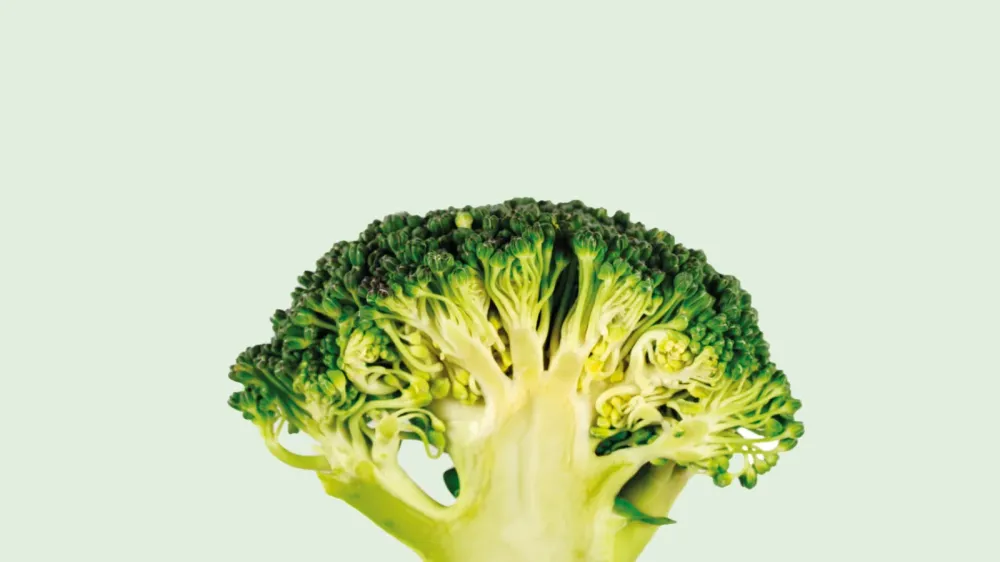
Fruits and vegetables provide essential vitamins, minerals, fibre, and antioxidants that support heart, digestive, and immune health. Many also have anti-inflammatory properties such as berries, leafy greens, tomatoes, and broccoli in particular which help reduce inflammation, protect brain health, and support memory, concentration, and cognitive performance.
Simple ways to increase intake include adding fruit to breakfast cereal, snacking on carrot sticks or cucumber, and including vegetables in soups, stews, and pasta dishes. Start where you are and build gradually.
Protein sources
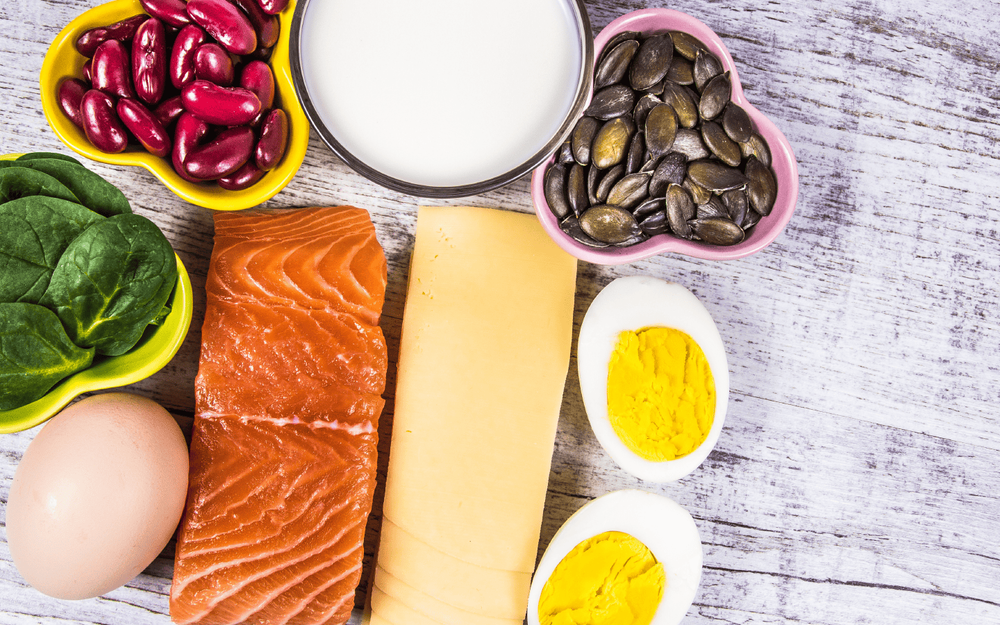
A variety of protein sources is also important. Beans, pulses, lentils, fish, eggs, meat, and dairy products supply the amino acids needed for growth, repair, and immune function. Adults generally need about 0.75 grams of protein per kilogram of body weight per day, which equates to approximately 45 grams for women and 55 grams for men. Including oily fish such as salmon, mackerel, or sardines at least once per week provides high-quality protein and omega-3 fatty acids, which are beneficial for brain function, memory, and mood regulation.
Protein also supports neurotransmitter production, helping to maintain energy, focus, and emotional wellbeing.
Fibre
Fibre is another essential component of a healthy diet. High-fibre foods, such as wholegrain breads and cereals, oats, brown rice, pasta, beans, lentils, fruits, and vegetables, help you feel fuller for longer, support healthy digestion, and reduce overall calorie intake. Fibre has also been shown to reduce the risk of heart disease, stroke, type 2 diabetes, and bowel cancer. By stabilising blood sugar, fibre helps sustain energy and concentration throughout the day.
Simple strategies to boost fibre intake include swapping white bread for wholemeal or granary varieties, choosing high-fibre breakfast cereals such as porridge, and adding pulses to curries, stews, and salads.
Sugars
It is also important to limit free sugars, which are added sugars or those naturally present in honey, syrups, and unsweetened fruit juices. Consuming too much sugar can contribute to weight gain and tooth decay, and cause fluctuations in energy. The NHS advises keeping free sugars to less than 10 per cent of total daily energy intake.
Opting for water or unsweetened drinks instead of sugary beverages, and choosing fruit or plain yogurt over sugary snacks, are effective ways to maintain steady energy and concentration.
Fats
Fats are an essential part of a healthy diet, but the type you choose makes a big difference. Saturated fats, found in butter, hard cheese, cream, fatty cuts of meat, sausages, cakes, and biscuits, should be limited because they can raise cholesterol and increase the risk of heart disease. In contrast, unsaturated fats, found in olive and avocado oils, nuts, seeds, avocados, and oily fish, are heart-healthy and support brain function.
Anti-inflammatory foods
Anti-inflammatory foods, such as oily fish, flaxseed, chia seeds, walnuts, colourful fruits and vegetables, whole grains, legumes, and spices like turmeric, ginger, and garlic, help reduce inflammation and support both cardiovascular and cognitive health.
Limiting highly processed foods, sugary snacks, refined grains, and fried foods further protects health. Cooking with olive oil instead of butter, including oily fish one to two times per week, and adding a variety of colourful vegetables to meals are simple ways to integrate these benefits into daily eating.
Hydration
Staying well?hydrated is also an important part of supporting your overall health. Adults should aim for six to eight glasses of water per day. Tea, coffee, and milk contribute to fluid intake, but sugary drinks should be limited. Proper hydration supports digestion, concentration, alertness, and overall energy levels.
By planning meals with a variety of colours and food groups, using smaller plates to control portion sizes, reading nutrition labels, and cooking at home more often, you can take practical steps towards a consistently healthy diet. When combined with regular physical activity, limited alcohol, and avoiding smoking or vaping, these habits can significantly improve physical health, cognitive function, energy, and emotional wellbeing.
Physical activity and exercise
Regular physical activity is a cornerstone of a healthy lifestyle, supporting physical health, mental wellbeing, and long-term brain function. Exercise strengthens the heart and lungs, improves circulation, and helps maintain a healthy weight, lowering the risk of chronic diseases such as heart disease, stroke, type 2 diabetes, certain cancers, and dementia. It also boosts mood, increases energy, reduces symptoms of anxiety and depression, improves sleep quality, and enhances memory, focus, and overall cognitive performance. In addition, exercise strengthens muscles and bones, helping to prevent falls, fractures, and osteoporosis, particularly as we age. Every positive choice counts toward better health.
Adults are encouraged to aim for around 150 minutes of moderate-intensity activity per week, such as brisk walking, cycling, swimming, or dancing. Alternatively, 75 minutes of vigorous-intensity activity per week, including running, fast swimming, or team sports, is effective.
It is also important to include muscle-strengthening exercises on at least two days per week, targeting all major muscle groups, including legs, arms, back, chest, and core, to support functional strength, joint stability, and overall metabolic health. Even short bouts of activity, such as a 10 minute walk, light stretching, or bodyweight exercises, contribute to overall health, so the key is consistency, enjoyment, and gradual progression.
Tips
Making exercise part of daily life can be simple, practical, and enjoyable.
Walking or cycling for short journeys, taking the stairs instead of lifts or escalators, or fitting in a brisk walk at lunch or after work can significantly increase daily activity. At home, bodyweight exercises such as squats, lunges, push-ups, or planks, as well as yoga or pilates, improve strength, flexibility, and helps to alleviate stress. Resistance bands or light dumbbells can add further benefits without the need for a gym. Joining local exercise classes, dance groups, or sports teams provides structured workouts and social interaction, which can help maintain motivation and enjoyment.
Simple adjustments throughout the day also make a difference.
Standing and stretching during work breaks, marching on the spot while talking on the phone, parking further from shops, or taking a short walk before or after errands all increase movement. Combining aerobic activities with strength, flexibility, and balance exercises provides a well-rounded approach to health and functional fitness.
Tracking progress and setting achievable goals is another effective way to stay motivated.
Using a journal, step counter, or app to monitor improvements, celebrating milestones such as increased step counts or longer workouts, and exercising with friends, family, or a group encourages accountability and enjoyment. Gradually increasing the intensity and duration of activity helps prevent injury and supports long-term adherence, while choosing activities that you genuinely enjoy makes it easier to maintain a routine over time.
Exercise also has profound benefits for brain health.
Physical activity increases blood flow to the brain, stimulates the growth of new brain cells, and supports neurotransmitter function, enhancing memory, attention, problem-solving, and learning. Regular activity releases endorphins and other mood-regulating chemicals, reducing stress, anxiety, and symptoms of depression, and promoting a sense of wellbeing. Over time, consistent activity can slow cognitive decline and reduce the risk of dementia.
To maximise the benefits of physical activity, it is helpful to combine exercise with other healthy lifestyle habits.
Maintaining a balanced diet rich in whole foods, fibre, and healthy fats, staying hydrated before, during, and after activity, and ensuring adequate sleep all support energy, recovery, and cognitive function. For those returning to exercise after a period of inactivity, it is important to start slowly, listen to your body, and progress gradually to prevent injury.
Conclusion
In summary, regular physical activity is far more than a way to manage weight it is a powerful tool for enhancing physical health, protecting brain function, boosting energy, improving mood, and increasing resilience against disease. By incorporating movement into daily life through practical strategies such as walking or cycling for short journeys, taking stairs, doing home workouts, joining classes or sports, and tracking progress, you can build enjoyable, sustainable habits. Even small, consistent changes accumulate over time, provide significant improvements in overall wellbeing.

Anna Jones
Chief Nursing Officer, Bluecrest