How to boost energy levels naturally?
ArticlesVitamin, Minerals & Nutrition

How to boost energy levels naturally?

Last updated: 27 February 2026

If you constantly feel tired, you might be looking for natural energy boosters to help you battle daily fatigue. While many of us rely on caffeine or sugar to give ourselves a quick boost, many other ways to naturally improve your energy levels won’t leave you feeling worse once the effects wear off.

Below, we delve into some of the best ways to improve your energy levels, from energy-boosting foods to prioritising your sleep.

What can I do to boost my energy levels?

If you’re struggling to get through the day without feeling completely worn out, you can make plenty of simple changes to your daily routine to help raise energy levels. Below, we share some of the most effective ways to naturally get a boost in energy:

Prioritise sleep

Prioritising sleep is one of the best ways to improve energy levels. Although individual sleep needs vary, it is recommended that adults get at least seven hours of sleep per night to ensure they wake up feeling refreshed and to support their overall health.

Not getting enough sleep or not getting enough quality sleep can drain your energy levels and leave you feeling lethargic, irritable and tired the next day. While a lack of sleep for a prolonged period can affect your immune system and overall health.

To ensure that a lack of sleep isn’t causing you to feel fatigued, try to set a sleep schedule with a regular bedtime and waking-up time every day. It’s also a good idea to have a wind down routine to help you relax at the end of the day, whether that’s taking a bath, reading a book or journaling.

You can find out more about how sleep is vital in our guide to ‘Why is sleep important?’

Improve your diet

Sometimes, feelings of sluggishness are related to diet, so changing your eating habits can be beneficial.

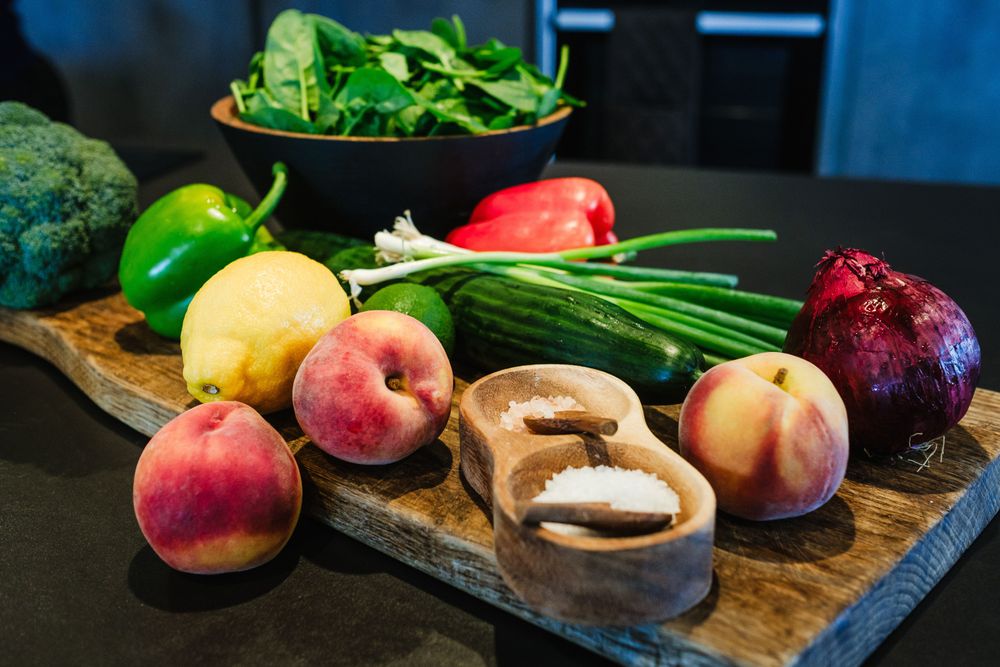
Choosing nutritious foods can help ensure your body has all the necessary vitamins and minerals to function at its best. Conversely, eating lots of processed foods high in sugar and fat can negatively impact your energy levels, leading to energy crashes and impacting your overall well-being. It’s also important to make sure you’re eating enough to fuel your day.

The best energy-boosting foods are slow-release complex carbohydrates as these will help keep your energy levels stable throughout the day. This can include food such as:

  • Oats
  • Quinoa
  • Sweet potatoes
  • Nuts
  • Brown rice
  • Beans

Reduce stress

Stress can affect your energy levels as well as taking its toll on your physical and mental health, so it’s important to manage your stress levels effectively.

Potential causes of stress include:

  • Everyday pressures of responsibilities at work, school or home
  • Sudden stressful life events, like losing your job, the death of a loved one or going through a breakup
  • Experiencing trauma

Although it is virtually impossible to remove all sources of stress from your life, there are steps you can take to help reduce your stress levels and in turn help raise your energy levels. Simple strategies like going for a walk, making a short period of time to relax or do something you enjoy every day, or practising mindfulness techniques can all help to reduce feelings of stress and anxiety.

Stay active

When you feel fatigued all the time, the last thing you may feel like doing is exercising, but this is an effective way to naturally boost your energy. You don’t have to do anything too high-intensity; a brisk walk, yoga session, or swim can all help boost your energy levels and leave you with a sense of accomplishment.

Reduce alcohol consumption

Although alcohol can have a sedative effect that makes you feel drowsier and helps you get to sleep, it also reduces the overall quality of sleep. So, if you’re constantly feeling tired all the time, it’s a good idea to avoid alcohol and see if this could be a factor in your lack of energy.

Quit smoking

Smoking not only increases your risk of numerous chronic health conditions, but it can also reduce the efficiency of your lungs. Over time, this can reduce the amount of oxygen your body can transport and make you feel tired more easily. As a result, quitting smoking is an effective way to improve energy levels.

For the best chance of quitting for good, it’s best to seek support from a healthcare professional who can advise you on the options that may work best for you.

Stay hydrated

Dehydration can have a huge impact on your brain function, mood and energy levels, so staying well-hydrated throughout the day is important for your general wellbeing.

Generally, it is recommended that adults consume around 6-8 glasses of liquid per day. However, you should avoid high-sugar, fizzy or caffeinated drinks that can cause your energy levels to crash throughout the day. Instead opt for water, herbal teas or decaffeinated hot drinks, like tea or coffee.

Limit sugar intake

Although sugar can give you a short-term energy boost, its effects wear off very quickly and can leave you feeling more tired than before. For this reason, it’s best to avoid high-sugar foods and instead opt for nuts and dried fruit or fresh berries if you are looking for the best energy-boosting foods.

Underlying causes of fatigue

If you have tried our top tips for naturally boosting your energy levels but are still experiencing feelings of unexplained fatigue, your tiredness may be due to an underlying medical cause, such as a hormone imbalance or iron deficiency.

If this is the case, you may need to get your energy levels checked to help determine the cause of your tiredness and start any necessary treatment to help you feel more energised.

How can I check my energy levels?

At Bluecrest Wellness, our Core Vitamins or Advanced Nutrients and Vitamins Profiles provide a targeted assessment of key nutrients that support energy production, metabolism, immune health and overall wellbeing. These profiles measure important markers such as vitamin D, B12, folate, iron, magnesium and zinc, giving you insights into whether deficiencies or imbalances could be contributing to persistent fatigue or low energy.

We recommend these profiles for adults who are experiencing unexplained tiredness and want a clearer understanding of how their nutrient levels may be affecting their daily energy and overall health.

Appointments are quick, convenient and clinic-based, and you’ll receive a personalised Results Report explaining each reading in plain, easy-to-understand language. Every result is flagged green, amber or red, making it simple to see any areas that may require attention. With our links to leading UK laboratories, you can trust that your results are fast, accurate, and fully accredited.

Need help? Call free on 0800 652 2183 to speak to one of our team.

AUTHOR
Anna Jones

Anna Jones

Chief Nursing Officer, Bluecrest

As the Chief Nursing Officer at Bluecrest, Anna is committed to driving high quality care and services and ensuring excellent clinical governance and accuracy alongside developing new innovative testing to supporting preventative health. | LinkedIn
ARTICLE TAGS
SHARE THIS ARTICLE
Other Articles
    What vitamins help with your immune system?
    Vitamin, Minerals & Nutrition

    What vitamins help with your immune system?

    A strong immune system relies on the right nutrients. This guide explains which vitamins support your health and simple ways to add them to your daily meals.

    Woman laughing and cooking
    Vitamin, Minerals & Nutrition

    What is vitamin B12 used for?

    Vitamin B12 is essential for energy, nerve health and red blood cell production. Learn what it does in the body and how to spot the signs of low levels.

    Vitamin D levels: What should your levels be?
    Vitamin, Minerals & Nutrition

    Vitamin D levels: What should your levels be?

    Find out what your vitamin D level should be, why it matters for your health and how blood tests can check for deficiency. Learn testing options and next steps.

    Can a blood test detect vitamin deficiency?
    Vitamin, Minerals & Nutrition

    Can a blood test detect vitamin deficiency?

    Discover how a blood test can detect vitamin deficiencies and uncover what your body might be missing. Learn the symptoms, causes and how to take action.

    Why are dietary fats important?
    Vitamin, Minerals & Nutrition

    Why are dietary fats important?

    Dietary fats fuel your body, support brain health and more, but not all fats are equal. Find out which to eat, which to limit and how to check your levels.

    What is the best healthy diet?
    Vitamin, Minerals & Nutrition

    What is the best healthy diet?

    Discover what makes up a truly healthy diet, explore popular eating plans and learn how to make informed dietary choices to support your long-term health.

    Can Nutrition Coaching Help You Achieve Your Health Goals?
    Vitamin, Minerals & Nutrition

    Can Nutrition Coaching Help You Achieve Your Health Goals?

    Get tailored support to improve your diet, boost your energy and build lasting habits. Learn how nutrition coaching and health checks can work together.

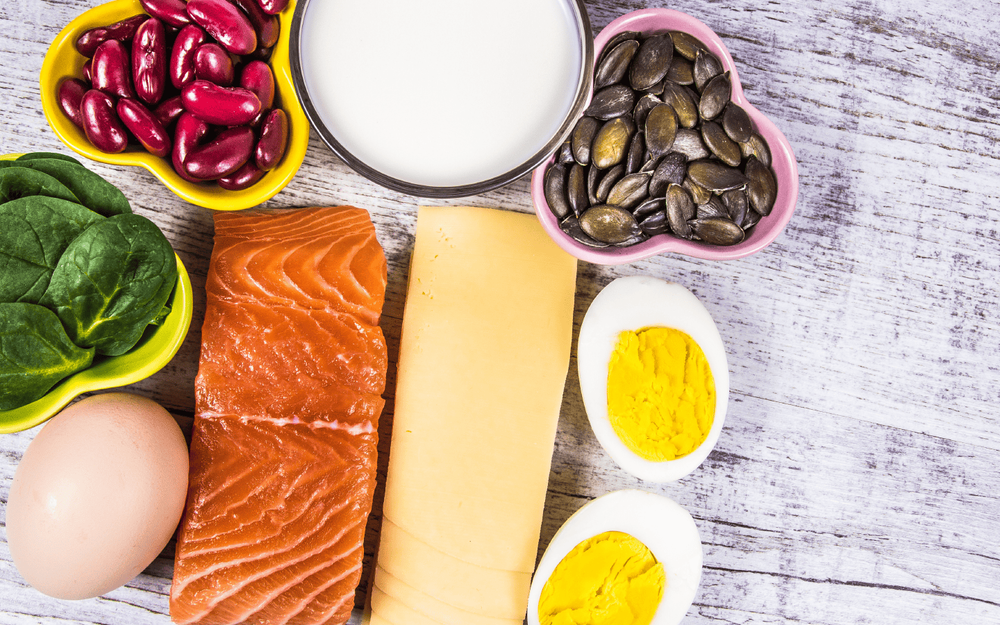
    A bunch of healthy foods - salmon, pumpkin seeds, cheese, a hard-boiled egg, spinach and kidney beans.
    Vitamin, Minerals & Nutrition

    What Is An Anti-Inflammatory Diet?

    Discover what an anti-inflammatory diet is, which foods help or harm and how your diet can support your long-term health with practical tips and insights.

    Top 10 Inflammatory Foods to Avoid
    Vitamin, Minerals & Nutrition

    Top 10 Inflammatory Foods to Avoid

    Which foods trigger chronic inflammation, and how can removing them from your diet help reduce immune strain and support better long-term health and wellbeing?

    A bunch of healthy foods - salmon, pumpkin seeds, cheese, a hard-boiled egg, spinach and kidney beans.
    Vitamin, Minerals & Nutrition

    What is the Healthiest Diet?

    Want to know what’s the healthiest diet? Learn how eating a diverse range of foods, by following a diet like the Mediterranean diet can boost your health.

    Is omega 3 anti-inflammatory?
    Vitamin, Minerals & Nutrition

    Is omega 3 anti-inflammatory?

    Discover the benefits of omega 3 fatty acids, including the anti-inflammatory properties they possess and how they can benefit your overall health.

    Elderly man and woman sitting on a blue couch reading a magazine.
    Vitamin, Minerals & Nutrition

    Age smarter, age stronger – embrace your health intelligence

    Ageing is a natural part of life, and a stage in life we should all embrace. Some of us may still be relatively active, however there are many factors influence healthy ageing – and its not just genetics. Here, we explore the steps you can take to age smarter, and age stronger – both physically and mentally.

    What is vitamin A?
    Vitamin, Minerals & Nutrition

    What is vitamin A?

    Learn what vitamin A is and why getting the right levels of this essential vitamin is important for your vision, immune system and reproductive health.

     Should I take multivitamins?
    Vitamin, Minerals & Nutrition

    Should I take multivitamins?

    Is it worth taking multivitamins? Learn what multivitamins are, how they work and the benefits they can offer to those with vitamin or mineral deficiencies.

    Getting Enough Calcium on a Vegan Diet
    Vitamin, Minerals & Nutrition

    Getting Enough Calcium on a Vegan Diet

    Are you worried about whether you are getting enough calcium following a vegan diet? Learn more about your calcium levels with private tests from Bluecrest.

    A bunch of healthy foods - salmon, pumpkin seeds, cheese, a hard-boiled egg, spinach and kidney beans.
    Vitamin, Minerals & Nutrition

    How Vitamin D & Calcium Work Together

    Discover how vitamin D and calcium work together to keep our bones strong and healthy. Get your levels tested with private blood tests from Bluecrest Wellness.

    Elderly man and woman sitting on a blue couch reading a magazine.
    Vitamin, Minerals & Nutrition

    Vitamin D For Muscle and Bone Health

    Learn more about the role vitamin D plays in ensuring optimum muscle and bone health, and discover how to book a private vitamin D blood test with Bluecrest.

    A bunch of healthy foods - salmon, pumpkin seeds, cheese, a hard-boiled egg, spinach and kidney beans.
    Vitamin, Minerals & Nutrition

    Can B12 Deficiency Be the Cause of Your Tiredness?

    Could your constant tiredness be linked to Vitamin B12 deficiency? Explore the potential connection between low Vitamin B12 levels and fatigue in our comprehensive guide.

    Elderly man and woman sitting on a blue couch reading a magazine.
    Vitamin, Minerals & Nutrition

    Dangerously low Ferritin levels: What you need to know

    Learn the importance of ferritin and iron levels. Find out the causes, symptoms, and treatments for low ferritin, and book a private test across 350+ UK venues.

    Elderly man and woman sitting on a blue couch reading a magazine.
    Vitamin, Minerals & Nutrition

    What is Omega 3 good for?

    Discover what omega 3 is good for - from heart health and better sleep to enhanced cognitive function. Assess your omega 3 levels with a private blood test.

    What’s the Difference Between Ferritin and Iron?
    Vitamin, Minerals & Nutrition

    What’s the Difference Between Ferritin and Iron?

    Learn more about the differences between ferritin and iron and how they work together in the human body to store and utilise iron for various bodily functions.

    A bunch of healthy foods - salmon, pumpkin seeds, cheese, a hard-boiled egg, spinach and kidney beans.
    Vitamin, Minerals & Nutrition

    What is Vitamin D Deficiency?

    Vitamin D deficiency indicates insufficient levels of vitamin D within the body. Our guide provides health insights, preventive measures and testing methods.

    A bunch of healthy foods - salmon, pumpkin seeds, cheese, a hard-boiled egg, spinach and kidney beans.
    Vitamin, Minerals & Nutrition

    Boost Your Vitamin D Levels This Summer!

    Most of us have heard of Vitamin D. It's the sunshine vitamin, also found in oily fish, cheese and mushrooms and it's crucial for maintaining your overall health, but here's some things you might not know about Vitamin D.