What is diabetes and how could it be impacting your workforce?
Diabetes is one of the fastest-growing health concerns in the UK, affecting around 5.6 million people according to this NHS article; and many of them are in the workforce. Yet despite its prevalence, diabetes is often misunderstood and under-supported in workplace wellbeing strategies.
At Bluecrest Wellness, we believe that understanding chronic conditions like diabetes is key to building a healthier, more productive workforce. Here’s why diabetes matters and what employers can do to support their teams.
What is diabetes?
Diabetes is a lifelong condition that affects how the body regulates blood sugar (glucose). There are two main types:
-
Type 1 diabetes: An autoimmune condition where the body attacks insulin-producing cells. It typically develops in childhood or adolescence and requires daily insulin management.
-
Type 2 diabetes: A metabolic condition where the body doesn’t produce enough insulin or doesn’t respond to it properly. It’s more common in adults and often linked to lifestyle factors such as diet, weight and activity levels.
Both types can lead to serious complications if not managed well, including heart disease, kidney problems, vision loss and nerve damage.
Why diabetes matters in the workplace
Diabetes doesn’t just affect personal health; it can have a significant impact on workforce wellbeing and productivity.
-
Fatigue and concentration issues: Fluctuating blood sugar levels can cause tiredness and poor focus, affecting job performance.
-
Absenteeism and presenteeism: Employees may miss work due to complications or medical appointments or attend work while unwell, reducing productivity.
-
Safety risks: In roles involving machinery or physical labour, unmanaged diabetes can pose serious health and safety concerns.
-
Mental health: The stress of managing a chronic condition can affect morale, confidence and engagement.
According to the British Safety Council, for every 1,000 employees, an estimated 82 may have diabetes, with 19 undiagnosed and 350 at risk (pre-diabetic).
The hidden cost of diabetes
Diabetes-related productivity losses cost UK businesses millions each year. These include:
-
Increased absenteeism
-
Reduced performance due to fatigue or cognitive issues
-
Higher healthcare claims and insurance premiums
-
Greater risk of long-term disability and turnover
Globally, indirect costs from diabetes are estimated at over £80 billion annually according to CDC.
How employers can support employees with diabetes
Creating a diabetes-aware workplace isn’t just good for health, it’s good for business. Here are some practical steps:
-
Education and awareness: Offer training and resources to help employees understand diabetes and how to support colleagues.
-
Flexible working: Allow time for medical appointments, breaks for blood sugar checks or medication and remote working where needed.
-
Healthy environments: Provide nutritious food options, promote physical activity and encourage regular health checks.
-
Personalised health assessments: Tailored screenings can help identify risks early, including pre-diabetes, and empower employees to take action.
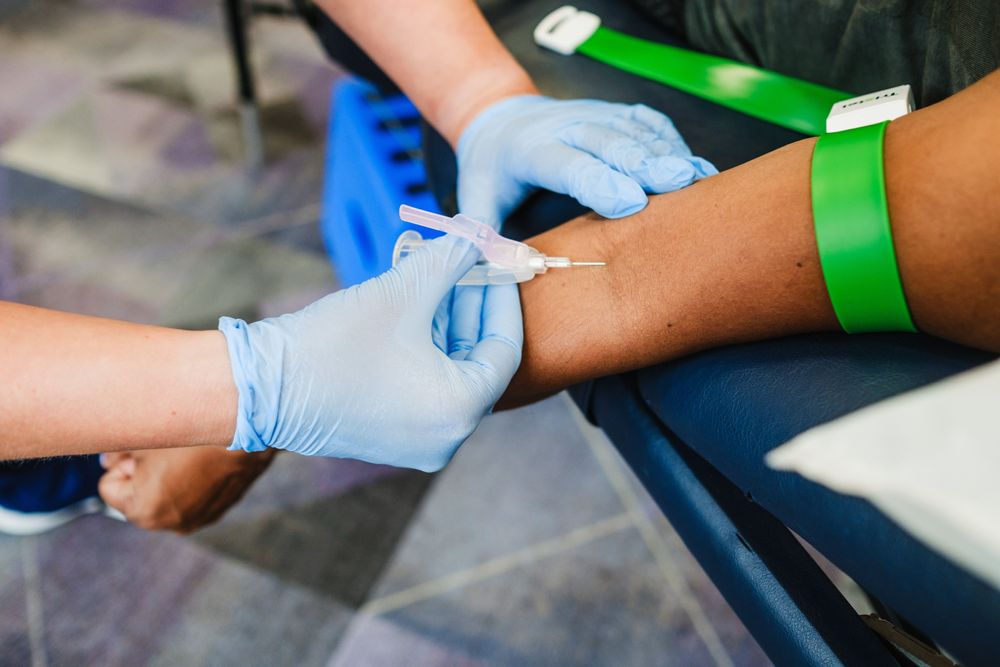
At Bluecrest Wellness, our health assessments include tests for blood sugar, cholesterol, heart health and more, helping employees understand their risks and take control of their wellbeing.
Prevention is better than cure
Type 2 diabetes is largely preventable. By promoting healthier lifestyles and offering proactive health checks, employers can help reduce the risk across their workforce.
For example:
-
Early detection of raised blood sugar can prevent progression to diabetes.
-
Identifying risk factors like high cholesterol or obesity can prompt lifestyle changes.
-
Supporting mental wellbeing can reduce stress-related complications.
Build a healthier, more resilient workforce
Diabetes may be invisible, but its impact is not. By understanding the condition and offering meaningful support, employers can improve employee wellbeing, reduce costs and create a more inclusive, productive workplace.
Explore our packages today and see how Bluecrest Wellness can help your team stay healthy, informed and empowered.
To learn more about Bluecrest and how we can help you, contact us today.
Polly McLachlan
Digital Content ExecutiveAnna Jones
Chief Nursing Officer, Bluecrest