The impact of alcohol on women's health
Alcohol is often seen as a social norm, but its impact on women’s health goes far beyond the occasional hangover. From hormone balance to heart health, liver function and mental wellbeing – understanding the effects alcohol can have allows you to make informed choices about your lifestyle.
Hormone health
Alcohol can alter key hormone balances in women, with implications for fertility, menopause symptoms and long-term health. Some of the hormones that alcohol can impact include:
-
Oestrogen – it plays an important role in elements of female health such as the regulation of the menstrual cycle, maintaining bone density and skin health. Acute consumption of alcohol has been shown to increase oestrogen levels which can contribute to weight gain, decreased libido and increase risks of certain cancers.
-
Follicle-stimulating hormone (FSH) - moderate to heavy alcohol use generally increases FSH levels which signals a diminished ovarian reserve and can disrupt menstrual cycles and fertility.
-
Luteinising hormone (LH) - involved in egg maturation and ovulation and moderate to heavy alcohol use can impact LH levels, contributing to irregular periods and fertility issues.
-
Testosterone – while typically associated with male fertility, it also plays an important role in female health when it comes to fertility and libido. Increased alcohol consumption can increase testosterone levels in women and lead to symptoms such as irregular periods, loss of libido and mood changes.
As well as its impact on hormones, research has found that women who consume alcohol have a 74% higher risk of sexual dysfunction (e.g. reduced arousal and poor lubrication) compared to non-drinkers.
Liver health
Your liver plays a crucial role in keeping your body chemistry balanced and healthy. It processes alcohol, filters toxins from your blood, stores essential nutrients and helps regulate your metabolism. However, excessive or long-term alcohol consumption can lead to serious liver conditions, including fatty liver disease, hepatitis and cirrhosis.
According to this report from The Health Foundation, in 2023/24, there were 340,000 hospital admissions for alcohol-specific conditions, with alcohol misuse estimated to cost £4.9 billion per year to the NHS and healthcare services; a stark reminder of the toll alcohol can take on liver health.
Heart health
Research has shown that drinking large amounts of alcohol can greatly increase your risk of having a stroke – this is because alcohol has been identified as a causal factor in more than 60 medical conditions, including high blood pressure.
High blood pressure is the most important risk factor for strokes, contributing to over 50% of all strokes in the UK. The recommended limit for alcohol intake is no more than 14 units per week for women, which during 2022 was found to be exceeded by 15% of men – putting them at increased risk.
Mental health
Alcohol is a depressant that alters brain chemistry with regular drinking lowering serotonin levels, contributing to feelings of anxiety and depression. Over time, this can create a harmful cycle where alcohol is used to self-medicate, worsening symptoms.
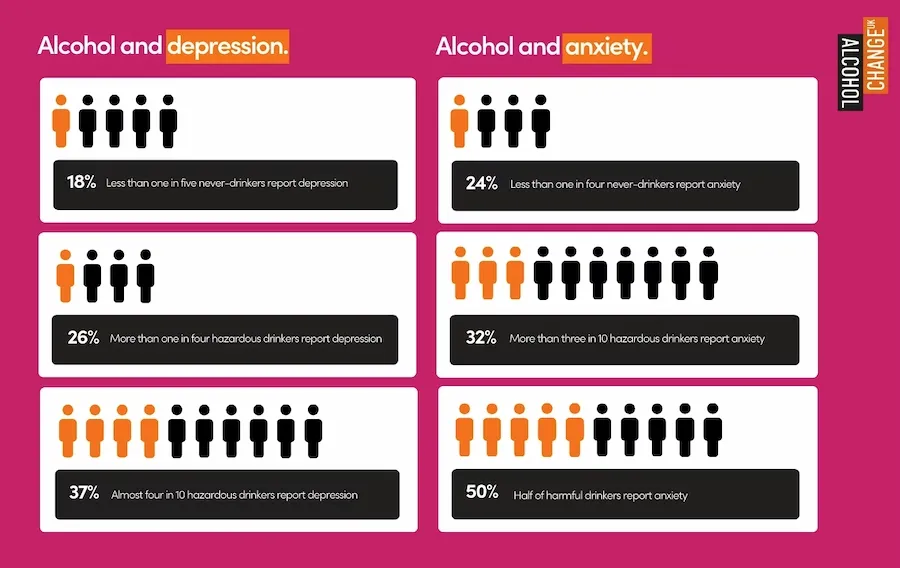
In this study, Alcohol Change found that the higher the units of alcohol consumed in a week, the higher the percentage of people reported experiencing symptoms of depression and anxiety.
Cancer risk
Alcohol has been classified as a Group 1 carcinogen by the World Health Organization; this means there is enough evidence to show that alcohol causes cancer.
The evidence shows that any amount of alcohol can increase the risk of cancers including:
-
Mouth cancer
-
Throat cancer
-
Larynx cancer
-
Oesophageal cancer
-
Breast cancer
When alcohol is metabolised, it produces acetaldehyde, a toxic compound that can damage DNA and interfere with cell repair. As mentioned earlier, alcohol increases oestrogen levels, which is linked to hormone-sensitive cancers such as breast cancer.
For women, drinking just 1 drink per day increases breast cancer risk by 7-10% compared to non-drinkers. Research also shows that 1 in 13 breast cancer cases in the UK are linked to alcohol consumption.
How Bluecrest can help
Bluecrest’s health assessment packages include a range of tests that allow you to monitor your health and see the areas that could be affected by your alcohol consumption such as your liver or heart.
Understanding how alcohol affects your body is the first step toward better health. Whether you’re cutting back or just curious, regular health assessments can give you peace of mind and help you make informed decisions.
Want to find out insights about your health? Book your health assessment today!
To book your health assessment, click here
For Vitality customers, book here.
For Benenden customers, book here.
Need help? You can reach out to our corporate team on 0808 168 9219

Tiegan Hill
Corporate Content Marketing Executive
Graham Jones
Medical Writer