Why is calcium important?
ArticlesVitamin, Minerals & Nutrition

Why is calcium important?

Last updated: 21 April 2026

Calcium is an essential mineral that plays a vital role in keeping your body healthy. It is best known for supporting strong bones and teeth, but calcium is also involved in muscle movement, nerve signalling and heart function.

Your body cannot produce calcium on its own, so it must be obtained through your diet or, in some cases, supplements. Maintaining healthy calcium levels throughout life helps support long term bone health and reduces the risk of certain conditions.

Below, we explain what calcium does in the body, why it is important at different stages of life and how you can support healthy calcium levels.

What does calcium do in the body?

Calcium is involved in many important processes. Around 99% of the calcium in your body is stored in your bones and teeth, where it provides strength and structure. The remaining 1% is found in your blood and soft tissues, where it supports essential functions.

Key roles of calcium include:

  • Supporting strong bones and teeth

  • Helping muscles contract and relax

  • Assisting nerves in sending signals around the body

  • Supporting normal blood clotting

  • Helping regulate heart rhythm

Because calcium is so important, your body carefully controls the level of calcium in your blood. If dietary intake is too low, calcium may be taken from your bones to maintain these vital functions.

Why is calcium important for bone health?

Calcium is a major building block of bone. During childhood and adolescence, calcium helps bones grow and develop. In adulthood, it helps maintain bone strength.

As we age, bone breakdown can begin to exceed bone formation. If calcium intake is insufficient, bones may gradually become weaker, increasing the risk of osteoporosis and fractures.

Ensuring adequate calcium intake throughout life is one of the key ways to support bone density and reduce the risk of bone related conditions later on.

How does calcium support muscles and nerves?

Calcium plays an essential role in muscle contraction. When a nerve stimulates a muscle, calcium is released inside the muscle cells, allowing them to shorten and generate movement. Without enough calcium, muscles may not function properly.

Calcium also helps nerves transmit signals between the brain and the rest of the body. This allows messages to travel efficiently, supporting movement, coordination and reflexes.

Is calcium important for heart health?

Calcium helps regulate the contraction of the heart muscle and supports a steady heartbeat. It also plays a role in blood clotting, which helps prevent excessive bleeding after injury.

Maintaining balanced calcium levels is important, as both low and high levels can affect normal heart rhythm and muscle function. Calcium levels are usually considered alongside other minerals such as magnesium and potassium when assessing overall cardiovascular health.

What happens if calcium levels are low?

Low calcium levels, sometimes referred to as hypocalcaemia, can affect several areas of health. Mild deficiency may not cause obvious symptoms, but over time it can contribute to weakened bones.

Possible signs of low calcium levels include:

  • Muscle cramps or spasms

  • Brittle nails

  • Fatigue

  • Tingling sensations in the fingers

  • Increased risk of fractures

Low calcium levels may be linked to dietary intake, vitamin D deficiency or certain medical conditions that affect absorption.

Where do we get calcium from?

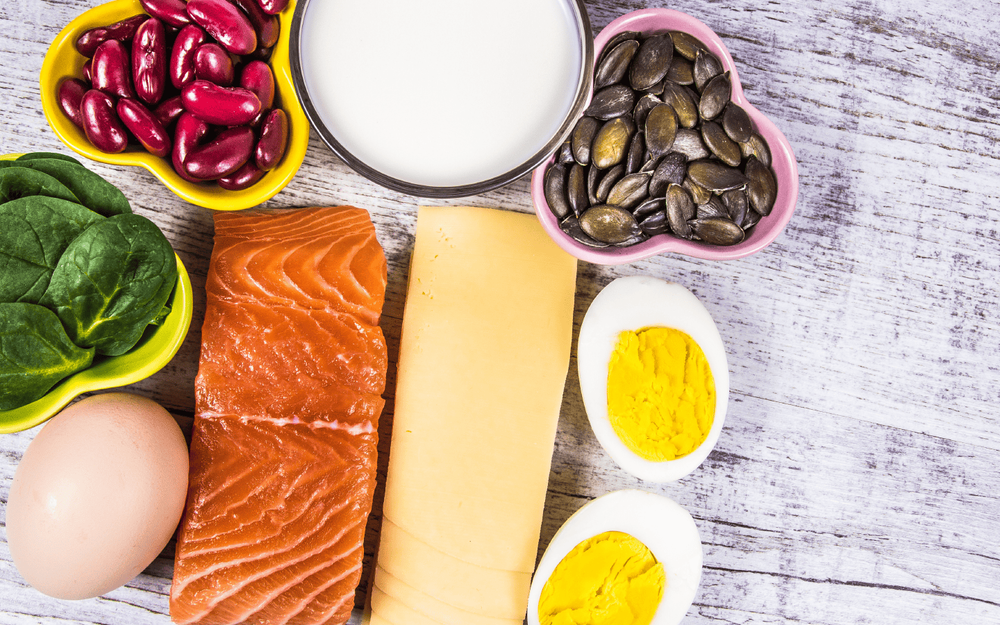
Calcium is found in a variety of foods, including:

  • Milk, cheese and yoghurt

  • Leafy green vegetables such as kale and broccoli

  • Fortified plant based milks

  • Nuts and seeds

  • Tinned fish with edible bones, such as sardines

Vitamin D is important for calcium absorption, so maintaining healthy vitamin D levels also supports calcium balance.

Who may need to pay closer attention to calcium levels?

Some people may be at a higher risk of low calcium levels, including:

  • Postmenopausal women

  • Older adults

  • People who avoid dairy products

  • Those with digestive conditions affecting absorption

  • Individuals with low vitamin D levels

How are calcium levels checked?

Calcium levels are measured using a simple blood test. This test checks the amount of calcium circulating in your blood and helps assess whether levels fall within a healthy range.

Your results are usually interpreted alongside other markers, such as vitamin D, phosphate and parathyroid hormone, to build a clearer picture of your bone and mineral health.

Why might I consider a health check that includes calcium?

A health check that includes calcium can help identify potential imbalances early, before symptoms develop. This can be particularly helpful if you are concerned about bone health, muscle function or long term wellbeing.

At Bluecrest Wellness, our blood tests are designed to give clear insights into key health markers, helping you understand what is happening inside your body and take steps to protect your future health.

Check your mineral and bone health

At Bluecrest Wellness, calcium is measured as part of our Blood Health Profile, which is available within our comprehensive private health checks. The Blood Health Profile can also be added as an individual test to many of our existing full body health check packages. This gives you the flexibility to choose the level of testing that best suits your needs.

All tests are available nationwide, making it easy to find a location near you.

BOOK NOW

Need help? Call free on 0800 652 2183 to speak to one of our team.

AUTHOR

Anna Jones

Chief Nursing Officer, Bluecrest

As the Chief Nursing Officer at Bluecrest, Anna is committed to driving high quality care and services and ensuring excellent clinical governance and accuracy alongside developing new innovative testing to supporting preventative health. | LinkedIn
REVIEWED BY

Graham Jones

Medical Writer

As a Medical Writer for Bluecrest, Graham has a passion for science communication and is dedicated to making health information clear, accurate, and accessible, turning complex medical information into content that empowers people to take charge of their health and supports preventative care.
ARTICLE TAGS
SHARE THIS ARTICLE
Other Articles
    Healthy Lifestyle Guide
    Vitamin, Minerals & Nutrition

    Healthy Lifestyle Guide

    Everyday lifestyle choices play a key role in supporting both physical and mental wellbeing. Balanced nutrition, regular physical activity, good hydration, and healthy habits can boost energy, improve mood and brain function, and reduce the risk of chronic conditions such as heart disease, diabetes, and dementia.

    READ ARTICLE
    What vitamins help with your immune system?
    Vitamin, Minerals & Nutrition

    What vitamins help with your immune system?

    A strong immune system relies on the right nutrients. This guide explains which vitamins support your health and simple ways to add them to your daily meals.

    READ ARTICLE
    Woman laughing and cooking
    Vitamin, Minerals & Nutrition

    What is vitamin B12 used for?

    Vitamin B12 is essential for energy, nerve health and red blood cell production. Learn what it does in the body and how to spot the signs of low levels.

    READ ARTICLE
    Vitamin D levels: What should your levels be?
    Vitamin, Minerals & Nutrition

    Vitamin D levels: What should your levels be?

    Find out what your vitamin D level should be, why it matters for your health and how blood tests can check for deficiency. Learn testing options and next steps.

    READ ARTICLE
    Can a blood test detect vitamin deficiency?
    Vitamin, Minerals & Nutrition

    Can a blood test detect vitamin deficiency?

    Discover how a blood test can detect vitamin deficiencies and uncover what your body might be missing. Learn the symptoms, causes and how to take action.

    READ ARTICLE
    Why are dietary fats important?
    Vitamin, Minerals & Nutrition

    Why are dietary fats important?

    Dietary fats fuel your body, support brain health and more, but not all fats are equal. Find out which to eat, which to limit and how to check your levels.

    READ ARTICLE
    What is the best healthy diet?
    Vitamin, Minerals & Nutrition

    What is the best healthy diet?

    Discover what makes up a truly healthy diet, explore popular eating plans and learn how to make informed dietary choices to support your long-term health.

    READ ARTICLE
    Can Nutrition Coaching Help You Achieve Your Health Goals?
    Vitamin, Minerals & Nutrition

    Can Nutrition Coaching Help You Achieve Your Health Goals?

    Get tailored support to improve your diet, boost your energy and build lasting habits. Learn how nutrition coaching and health checks can work together.

    READ ARTICLE
    A bunch of healthy foods - salmon, pumpkin seeds, cheese, a hard-boiled egg, spinach and kidney beans.
    Vitamin, Minerals & Nutrition

    What Is An Anti-Inflammatory Diet?

    Discover what an anti-inflammatory diet is, which foods help or harm and how your diet can support your long-term health with practical tips and insights.

    READ ARTICLE
    Top 10 Inflammatory Foods to Avoid
    Vitamin, Minerals & Nutrition

    Top 10 Inflammatory Foods to Avoid

    Which foods trigger chronic inflammation, and how can removing them from your diet help reduce immune strain and support better long-term health and wellbeing?

    READ ARTICLE
    A bunch of healthy foods - salmon, pumpkin seeds, cheese, a hard-boiled egg, spinach and kidney beans.
    Vitamin, Minerals & Nutrition

    What is the Healthiest Diet?

    Want to know what’s the healthiest diet? Learn how eating a diverse range of foods, by following a diet like the Mediterranean diet can boost your health.

    READ ARTICLE
    Is omega 3 anti-inflammatory?
    Vitamin, Minerals & Nutrition

    Is omega 3 anti-inflammatory?

    Discover the benefits of omega 3 fatty acids, including the anti-inflammatory properties they possess and how they can benefit your overall health.

    READ ARTICLE
    Elderly man and woman sitting on a blue couch reading a magazine.
    Vitamin, Minerals & Nutrition

    Age smarter, age stronger – embrace your health intelligence

    Ageing is a natural part of life, and a stage in life we should all embrace. Some of us may still be relatively active, however there are many factors influence healthy ageing – and its not just genetics. Here, we explore the steps you can take to age smarter, and age stronger – both physically and mentally.

    READ ARTICLE
    What is vitamin A?
    Vitamin, Minerals & Nutrition

    What is vitamin A?

    Learn what vitamin A is and why getting the right levels of this essential vitamin is important for your vision, immune system and reproductive health.

    READ ARTICLE
     Should I take multivitamins?
    Vitamin, Minerals & Nutrition

    Should I take multivitamins?

    Is it worth taking multivitamins? Learn what multivitamins are, how they work and the benefits they can offer to those with vitamin or mineral deficiencies.

    READ ARTICLE
    How to boost energy levels naturally?
    Vitamin, Minerals & Nutrition

    How to boost energy levels naturally?

    Discover how to boost your energy levels naturally. From tips on the best energy-boosting foods to eat to how staying active can improve your energy levels.

    READ ARTICLE
    Getting Enough Calcium on a Vegan Diet
    Vitamin, Minerals & Nutrition

    Getting Enough Calcium on a Vegan Diet

    Are you worried about whether you are getting enough calcium following a vegan diet? Learn more about your calcium levels with private tests from Bluecrest.

    READ ARTICLE
    A bunch of healthy foods - salmon, pumpkin seeds, cheese, a hard-boiled egg, spinach and kidney beans.
    Vitamin, Minerals & Nutrition

    How Vitamin D & Calcium Work Together

    Discover how vitamin D and calcium work together to keep our bones strong and healthy. Get your levels tested with private blood tests from Bluecrest Wellness.

    READ ARTICLE
    Elderly man and woman sitting on a blue couch reading a magazine.
    Vitamin, Minerals & Nutrition

    Vitamin D For Muscle and Bone Health

    Learn more about the role vitamin D plays in ensuring optimum muscle and bone health, and discover how to book a private vitamin D blood test with Bluecrest.

    READ ARTICLE
    A bunch of healthy foods - salmon, pumpkin seeds, cheese, a hard-boiled egg, spinach and kidney beans.
    Vitamin, Minerals & Nutrition

    Can B12 Deficiency Be the Cause of Your Tiredness?

    Could your constant tiredness be linked to Vitamin B12 deficiency? Explore the potential connection between low Vitamin B12 levels and fatigue in our comprehensive guide.

    READ ARTICLE
    Elderly man and woman sitting on a blue couch reading a magazine.
    Vitamin, Minerals & Nutrition

    Dangerously low Ferritin levels: What you need to know

    Learn the importance of ferritin and iron levels. Find out the causes, symptoms, and treatments for low ferritin, and book a private test across 350+ UK venues.

    READ ARTICLE
    Elderly man and woman sitting on a blue couch reading a magazine.
    Vitamin, Minerals & Nutrition

    What is Omega 3 good for?

    Discover what omega 3 is good for - from heart health and better sleep to enhanced cognitive function. Assess your omega 3 levels with a private blood test.

    READ ARTICLE
    What’s the Difference Between Ferritin and Iron?
    Vitamin, Minerals & Nutrition

    What’s the Difference Between Ferritin and Iron?

    Learn more about the differences between ferritin and iron and how they work together in the human body to store and utilise iron for various bodily functions.

    READ ARTICLE
    A bunch of healthy foods - salmon, pumpkin seeds, cheese, a hard-boiled egg, spinach and kidney beans.
    Vitamin, Minerals & Nutrition

    What is Vitamin D Deficiency?

    Vitamin D deficiency indicates insufficient levels of vitamin D within the body. Our guide provides health insights, preventive measures and testing methods.

    READ ARTICLE
    A bunch of healthy foods - salmon, pumpkin seeds, cheese, a hard-boiled egg, spinach and kidney beans.
    Vitamin, Minerals & Nutrition

    Boost Your Vitamin D Levels This Summer!

    Most of us have heard of Vitamin D. It's the sunshine vitamin, also found in oily fish, cheese and mushrooms and it's crucial for maintaining your overall health, but here's some things you might not know about Vitamin D.

    READ ARTICLE