Inflammation and Ageing: Understanding the Link
Because your health matters
Ageing is natural, but what happens inside your body can have a big impact on your overall health. Chronic inflammation, a prolonged immune response, can accelerate ageing and increase the risk of serious conditions, including some cancers. Understanding your risk and taking steps to reduce inflammation is key to staying healthy as you age.
What is inflammation?
Inflammation is your body’s natural immune response to injury, infection, or harmful stimuli.
-
Acute inflammation: Short-term response that helps your body fight infection or heal injury. Symptoms include pain, swelling, or redness.
-
Chronic inflammation: Occurs when the immune system stays active even without a threat. Over time, this can damage tissues and contribute to conditions such as arthritis, heart disease, and some cancers.
Symptoms of chronic inflammation
Chronic inflammation can be harder to spot than acute inflammation. Common signs include:
-
Persistent fatigue
-
Muscle or joint aches
-
Digestive issues, such as constipation or diarrhoea
-
Unexplained weight changes
-
Headaches
-
Skin rashes
The link between inflammation and ageing
As we age, the body’s inflammatory response tends to increase, raising the risk of chronic inflammation. This can accelerate ageing, decrease brain health, and increase frailty. Chronic inflammation is also linked to conditions like:
-
Alzheimer’s and Parkinson’s disease
-
Arthritis
-
Heart disease
-
Type 2 diabetes
-
COPD
-
Depression and anxiety
Inflammation and cancer risk
Chronic inflammation is linked to some cancers, especially those caused by infections. Inflammation can create an environment that helps cancer cells grow and spread.
Examples include:
-
Colorectal cancer - linked to ulcerative colitis and Crohn's disease
-
Stomach cancer – linked to Helicobacter pylori infection
-
Cervical cancer – linked to HPV
-
Liver, lung, anus, and bladder cancers – linked to viral or parasitic infections
Other factors like smoking and UV exposure also contribute to inflammation and cancer risk.
How to reduce chronic inflammation as you age
While ageing is inevitable, there are steps you can take to lower inflammation:
-
Eat an anti-inflammatory diet – fruits, leafy greens, fatty fish, olive oil, and whole grains. Limit processed foods, refined carbs, fried foods, and processed meats.
-
Quit smoking – reduces inflammation and lowers risk of related health conditions.
-
Exercise regularly – 30 minutes of moderate exercise, five times a week, acts as a natural anti-inflammatory.
-
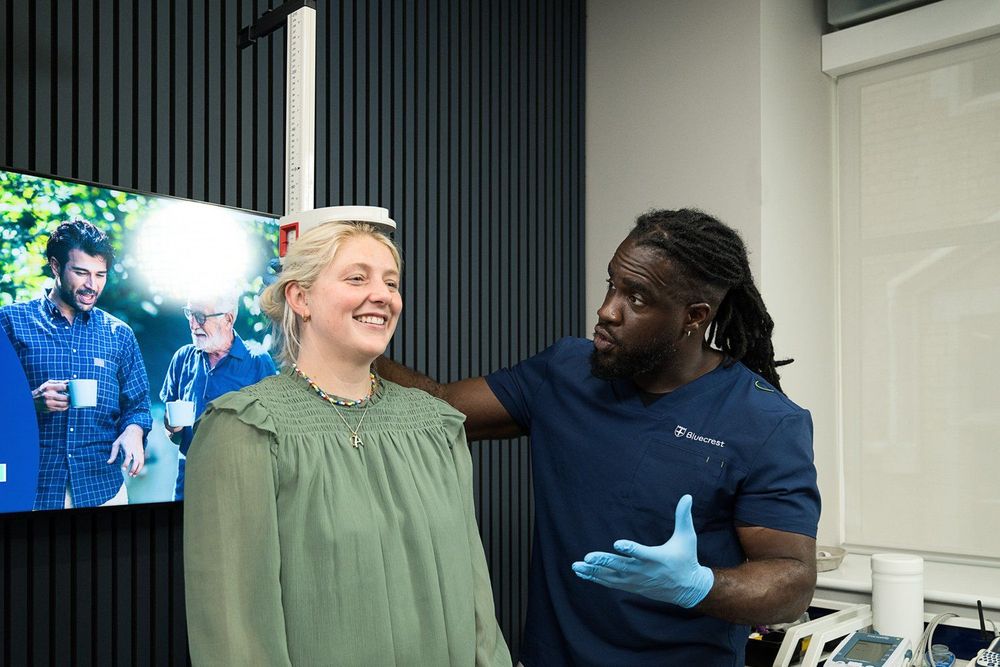
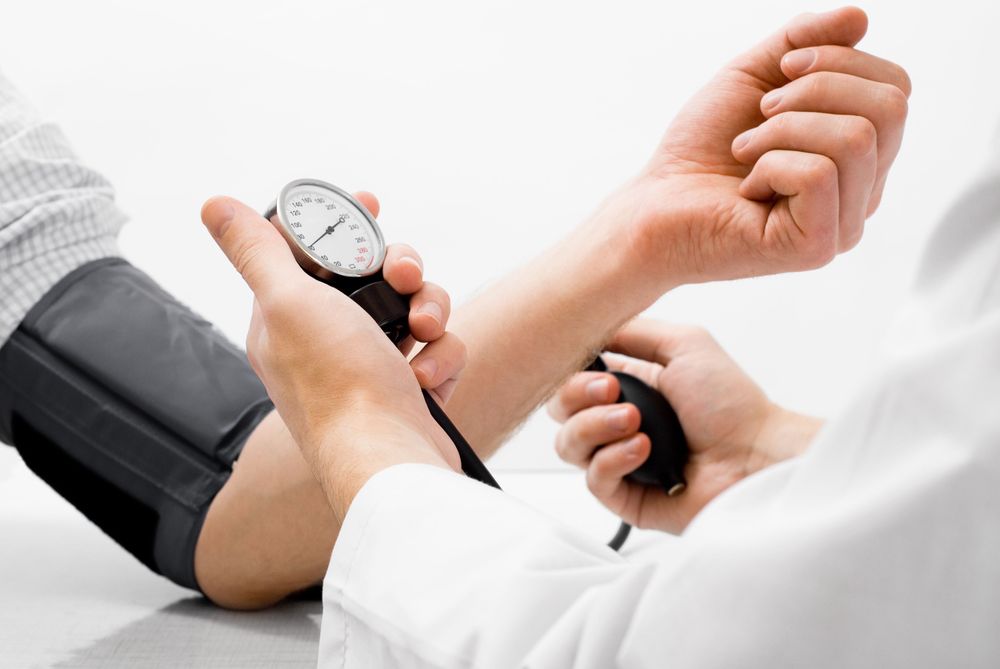
Monitor your health – regular check-ups, like our private Health MOTs, provide fast and comprehensive insights into your wellbeing.
FAQs
Can chronic inflammation be detected early?
Yes. Regular health checks, blood tests, and monitoring key markers like C-reactive protein (CRP) can help identify chronic inflammation before symptoms appear.
Are there specific lifestyle factors that worsen inflammation?
Yes. Poor diet, smoking, lack of exercise, stress, and insufficient sleep can all contribute to higher levels of chronic inflammation.
Can inflammation be reversed?
While you can’t completely stop ageing, lifestyle changes such as an anti-inflammatory diet, regular exercise, and quitting smoking can reduce chronic inflammation and its effects.
Should I speak to a doctor about inflammation?
If you have persistent symptoms or a family history of inflammation-related conditions, consult a GP.
Understanding your cancer risk
If you want to assess your risk of cancers linked to inflammation, our Male and Female Cancer Risk packages offer valuable insights. Designed for people over 40, these tests examine:
-
Risk of cancers associated with inflammation, like stomach and cervical cancer
-
Overall health markers, including cholesterol and diabetes risk
Our cancer risk package are available nationwide. You'll receive fast, accurate results from leading UK laboratories, plus a detailed Results Report and 24/7 GP access for a year.
Need help? Call free on 0800 652 2183 to speak to one of our team.

Anna Jones
Chief Nursing Officer, Bluecrest
Graham Jones
Medical Writer