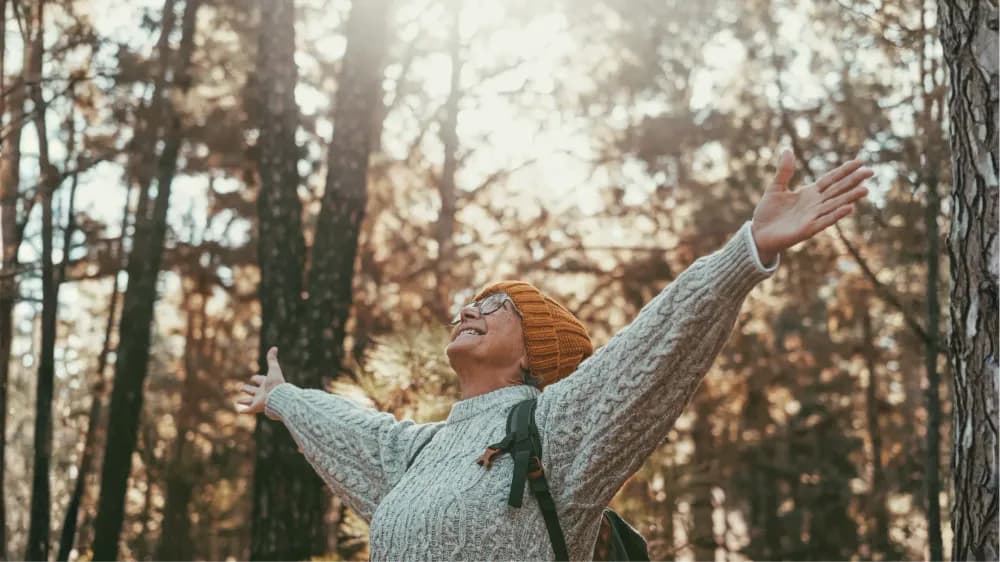
Mental Wellbeing: Your Guide to a Healthier Mind
ArticlesPrivate Health Checks

Mental Wellbeing: Your Guide to a Healthier Mind

Last updated: 10 March 2026

The importance of good mental health

Your mental health plays a key role in how you feel day-to-day. It influences your energy levels, mood, focus and how well you cope with challenges. When your mental wellbeing is supported, it’s often easier to manage stress, stay connected with others and maintain good physical health. If your mental wellbeing dips, you may notice changes in your sleep, motivation or concentration. Taking small steps to look after your mental health can make a meaningful difference to overall wellbeing.

Signs you may need support

Everyone experiences ups and downs, but if you’ve been feeling different from usual, it may be a sign that your mental wellbeing needs a little more attention. These changes are common and recognising them early can help you take positive steps towards feeling better.

  • Persistent feelings of sadness or anxiety

  • Loss of interest in activities you enjoy

  • Difficulty sleeping or changes in appetite

  • Feeling overwhelmed or unable to cope

  • Increased irritability or withdrawal from others

If these symptoms last more than two weeks, you may benefit from seeking professional support.

Ways to improve your mental health

Stay active

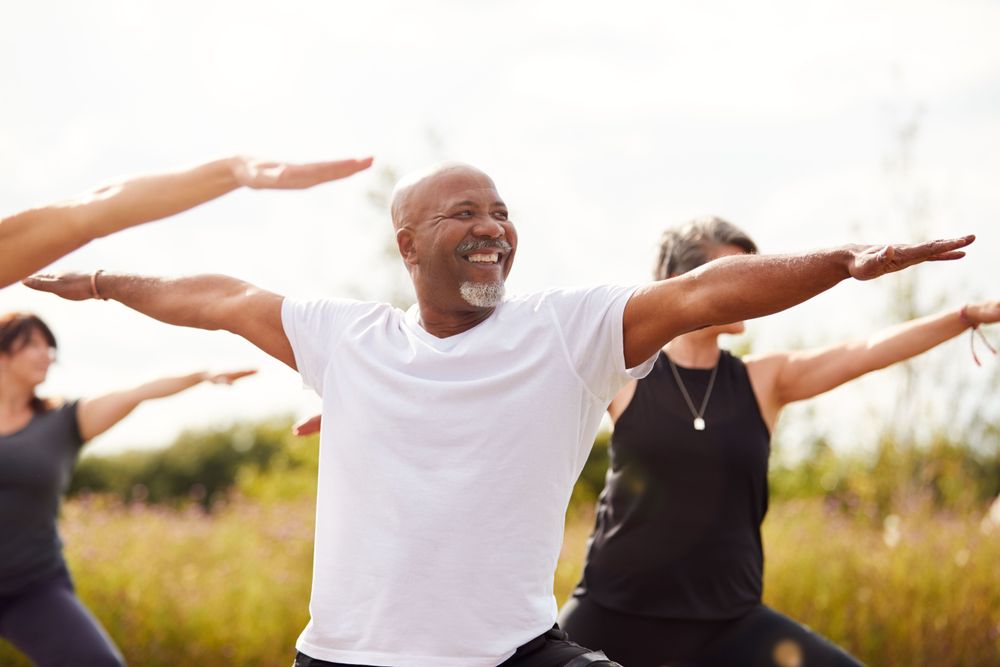
Exercise releases endorphins, which boost mood and reduce stress. Aim for 150 minutes of moderate activity per week, such as walking, cycling, or yoga.

Eat a balanced and nutritious diet

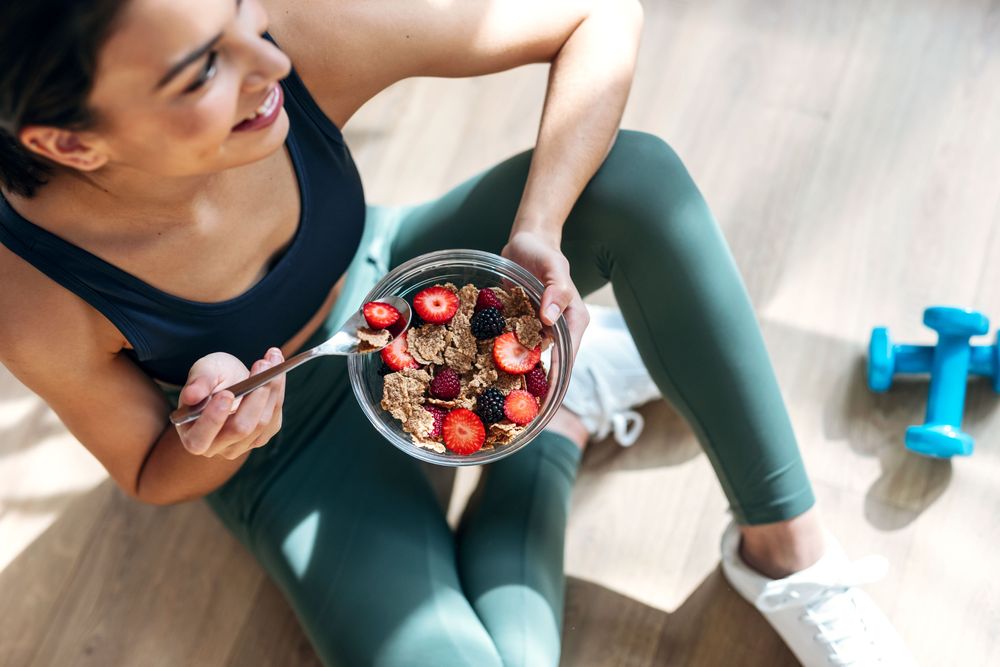
Nutrients like omega-3 fatty acids, B vitamins, and antioxidants support brain health. Include oily fish, leafy greens, nuts, and whole grains.

Prioritise sleep

Poor sleep affects mood and concentration. Aim for 7-9 hours nightly. Create a calming bedtime routine and limit screens before bed.

Connect with others

Social interaction reduces isolation and boosts mood. Schedule time with friends, family, or community groups.

Limit alcohol and caffeine

Both can affect mood and sleep quality. Stay hydrated with water and herbal teas.

Build in breaks and rest

Short breaks during work reduce stress and improve focus. Making a conscious effort to build these into your day an help with being consistent.

Practical techniques for reducing stress and anxiety

Grounding techniques help you reconnect with the present moment when anxiety feels overwhelming. Mindfulness practices reduce stress and improve emotional regulation.

Grounding techniques

5-4-3-2-1 Sensory exercise

Name 5 things you can see, 4 you can touch, 3 you can hear, 2 you can smell, and 1 you can taste.

Diaphragmatic breathing

Sit upright, place one hand on your chest and the other on your stomach. Inhale slowly through your nose, letting your stomach rise more than your chest. Exhale slowly through your mouth.

Box breathing

Inhale for 4 seconds, hold for 4, exhale for 4, hold for 4. Repeat several cycles.

Physical grounding

Feel your feet on the floor, hold a textured object, or slowly stomp your feet.

Mental grounding

Repeat facts about yourself (such as your name and where you are) or count backwards in sevens.

Body scan

Slowly notice sensations from your toes up to your head.

Mindfulness practices: How and why they help

Mindfulness means paying attention to the present moment with curiosity and without judgement. It can help calm a busy mind, reduce stress and improve overall emotional balance. Research shows mindfulness can support sleep, focus and emotional wellbeing.

Mindful breathing

What it is: Focusing on your breath to anchor your mind.

Why it works: Breathing slowly activates the parasympathetic nervous system, calming stress responses.

How to do it: Sit comfortably, close your eyes if you like, and notice each inhale and exhale. If your mind wanders, gently bring it back to your breath. Start with 3–5 minutes and increase gradually.

Body scan

What it is: A technique to notice sensations throughout your body.

Why it works: Helps you reconnect with your body and release tension

How to do it: Lie down or sit comfortably. Slowly move your attention from your toes to your head, notice sensations without trying to change them. If you find tension, breathe into that area and relax.

Mindful observation

What it is: Paying close attention to an object's details.

Why it works: Redirects focus away from anxious thoughts to something neutral and calming.

How to do it: Choose an object (a flower, a cup, a stone). Observe its colour, texture, shape, and any patterns. Spend a few minutes noticing details you might normally overlook.

Mindful Walking

What it is: Walking slowly and paying attention to each step and your surroundings.

Why it works: Combines gentle movement with mindfulness, reducing stress and improving mood.

How to do it: Walk at a comfortable pace. Notice the sensation of your feet touching the ground, the rhythm of your steps, and the sights and sounds around you. If your mind wanders, gently return to the experience of walking.

Observing Thoughts

What it is: Watching your thoughts without judgement, as if they are passing clouds.

Why it works: Helps you detach from negative thinking patterns and reduces rumination.

How to do it: Sit quietly and notice thoughts as they arise. Instead of engaging with them, imagine them floating away. Remind yourself: “These are just thoughts, not facts.

When to seek help

If low mood, worry or stress continue, or start to affect your daily life, reaching out for support can be a helpful first step. There are trusted services available, including:

ARTICLE TAGS
SHARE THIS ARTICLE
Other Articles
    young woman with laptop
    Private Health Checks

    What is a health coach and how can it help you?

    Looking to build healthier habits and stay motivated? Find out how a health coach can support long-term lifestyle change with Bluecrest Wellness today.

    What are the most common inflammatory diseases?
    Private Health Checks

    What are the most common inflammatory diseases?

    Find out which inflammatory diseases are most common, their symptoms, causes, and how testing can help you stay proactive about your health and wellbeing.

    How to find a health coach: expert tips for better results
    Private Health Checks

    How to find a health coach: expert tips for better results

    Looking for a health coach who fits your goals? Here’s how to choose the right coach, what to expect, and how Bluecrest’s Insightful Health Coaching can help.

    Woman is in a lab with other colleagues and holding up a vial of blood.
    Private Health Checks

    How much should a private health assessment cost?

    Find out how much a private health assessment costs in the UK, what's included and what to consider to find the right package for your health needs and budget.

    What are the first signs of bowel cancer?
    Private Health Checks

    What are the first signs of bowel cancer?

    Discover the early signs of bowel cancer, why they matter and how to take action. Learn what to watch for and when to seek support or screening.

    Who is at risk of colon cancer?
    Private Health Checks

    Who is at risk of colon cancer?

    Certain lifestyle and genetic factors increase your risk of colon cancer. Discover who’s most at risk and how to recognise early signs to take proactive steps.

    Does Infection Cause High Blood Pressure?
    Private Health Checks

    Does Infection Cause High Blood Pressure?

    Learn how infections can affect your blood pressure, the role of inflammation and when to seek medical advice. Plus, discover tips for regular monitoring.

    Is Inflammation Good or Bad?
    Private Health Checks

    Is Inflammation Good or Bad?

    Discover how inflammation affects your body, when it’s helpful or harmful and how lifestyle changes and health checks can support long-term wellbeing.

    What causes inflammation in the body?
    Private Health Checks

    What causes inflammation in the body?

    Learn what causes inflammation in the body, how lifestyle, diet and health habits play a role and ways to manage and reduce chronic inflammation effectively.

    How to Reduce Chronic Inflammation
    Private Health Checks

    How to Reduce Chronic Inflammation

    Discover effective ways to reduce chronic inflammation through lifestyle changes, diet, exercise and health checks for long-term wellbeing and prevention.

    Nurse cleaning a man's arm to take a blood sample.
    Private Health Checks

    What are the Benefits of Preventive Health Services?

    Learn about the benefits of preventive health services and discover how Bluecrest Wellness’s private health MOTs can provide vital insights into your health.

    How to Determine Metabolic Age?
    Private Health Checks

    How to Determine Metabolic Age?

    Discover what metabolic age is, how it’s measured and the role diet, exercise and lifestyle play in improving it for better overall health and wellness.

    How can I improve my health?
    Private Health Checks

    How can I improve my health?

    Take control of your wellbeing with these practical steps. Learn how to improve your health, spot the early signs of poor health and build sustainable habits.

    How to track your health for better wellbeing
    Private Health Checks

    How to track your health for better wellbeing

    Want to know how to track your health effectively? Find out how regular checks, key metrics, and the Bluecrest Wellness App can help you monitor your wellbeing.

    Annual Health Checks for Smarter Health Decisions
    Private Health Checks

    Annual Health Checks for Smarter Health Decisions

    Discover how getting annual health checks and learning more about key health metrics, can help you make smarter health decisions to safeguard your health.

    Inflammation and Ageing: Understanding the Link
    Private Health Checks

    Inflammation and Ageing: Understanding the Link

    Understand the link between inflammation and ageing. Learn how chronic inflammation can affect your health and ways to reduce the risk as you get older.

    How to Naturally Increase Progesterone Levels
    Private Health Checks

    How to Naturally Increase Progesterone Levels

    Discover natural ways to boost progesterone levels through diet, lifestyle changes, and holistic approaches to support hormonal balance and overall wellbeing.

    Elderly man and woman sitting on a blue couch reading a magazine.
    Private Health Checks

    Routine Blood Tests for the Elderly

    As we age, the risk of certain health conditions rises. Routine blood tests are essential for the elderly to stay informed about their health. Learn more.

    What is Included in a Full Body Health Check?
    Private Health Checks

    What is Included in a Full Body Health Check?

    Discover what’s included in a full body health check and why getting one will help you take a proactive role in managing your health now and in the future.

    Can I Get a Full Health Check on the NHS?
    Private Health Checks

    Can I Get a Full Health Check on the NHS?

    An NHS Health Check is a free check specifically for adults aged 40 to 74 in England. Learn more and the private alternatives available.

    Man sitting in front of a bookshelf smiling.
    Private Health Checks

    What is an over 50s health check?

    Discover the importance of health checks for the over 50s with our guide. Learn about their benefits and how they help you to take control of your health.

    Man sitting in front of a bookshelf smiling.
    Private Health Checks

    Private Over 40s Health Check

    Private Over 40s Health Checks can assess your risk of developing certain health conditions associated with your age. Book a private health check online today.