How to Naturally Increase Progesterone Levels
Progesterone is a hormone that supports thyroid health, brain function, bone strength, mood, metabolism, and, in women, reproductive health. Low progesterone levels can cause symptoms like irregular periods, mood swings, weight gain and fertility issues. You can naturally boost progesterone through diet, lifestyle changes and supplements.
Below, we explain how to identify low levels and the best ways to support your hormone health.
What is progesterone and why is it important?
Although most often considered a female hormone, progesterone plays an important role in the normal functioning of both males and females. It is vital for normal thyroid health, brain function, bone strength, stabilising moods and metabolism.
However, its most important role is in women, as it is vital for the normal function of a woman’s reproductive system, supporting menstruation and helping maintain the early stages of a pregnancy.
In women, progesterone’s main function is to prepare the endometrium, the lining of the uterus, for a fertilised egg to implant and grow. If an egg isn’t fertilised during the cycle, progesterone levels decrease, the endometrium sheds, and menstruation occurs. If conception occurs, progesterone levels increase to support pregnancy.
As progesterone is vital for the normal functioning of the reproductive system, low levels can cause problems, including infertility and miscarriages, as well as irregular bleeding, all of which can impact a woman’s health and wellbeing. The treatment for low progesterone can involve boosting levels naturally by making dietary and lifestyle changes or through the use of progesterone supplements.
What are the signs of low progesterone?
Symptoms of low progesterone can include:
- Decreased sex drive
- Increased premenstrual stress
- Irregular periods
- Depression
- Mood swings
- Headaches
- Bloating
- Hot flushes
- Tenderness in the breasts
- Weight gain
- Unexplained fatigue
- Difficulty concentrating
- Insomnia
It is normal for levels of both oestrogen and progesterone to lower in your 30s. By your 40s it is usual for this to lead to a decrease in ovulation that causes periods to become more irregular and your cycle length and flow to alter. This is normal and known as perimenopause.
However, if symptoms of low progesterone occur before your 40s and are left untreated for a significant period, long-term hormonal imbalances can contribute to:
- A lack of ovulation and periods
- Infertility
- Endometriosis
- Heavy menstrual bleeding
- Uterine cancer
- Breast cancer
- Heart disease
How can you naturally increase progesterone levels?
If you are looking for natural ways of increasing progesterone levels, it is possible to boost your levels by eating foods that help balance your hormones and making some changes to your lifestyle.
Which foods help increase progesterone naturally?
Ensuring you get enough magnesium is an effective way to naturally support progesterone levels, as this mineral helps regulate hormones. While the body generally maintains magnesium well, including magnesium-rich foods in your diet can give your progesterone a natural boost. Some good options include:
- Dark chocolate
- Nuts
- Tofu
- Avocados
- Legumes
Vitamin B6 also plays a key role in regulating hormones, so it is often recommended to women looking to boost their fertility. Some studies have found that increasing your intake of vitamin B6 can raise your progesterone levels and reduce oestrogen to improve symptoms of premenstrual syndrome.
Foods rich in vitamin B6 include:
- Salmon
- Eggs
- Sweet potatoes
- Milk
- Carrots
Another mineral essential for hormone balance is zinc. Zinc helps the pituitary gland boost follicle-stimulating hormone, which helps your ovaries create the progesterone and oestrogen your reproductive system needs
Women over the age of 19 are encouraged to get at least 8 mg of zinc per day, this is possible by eating foods like:
- Shellfish
- Seeds
- Whole grains
- Vegetables like peas, potatoes and green beans
What lifestyle changes can boost progesterone?
Although eating foods that promote progesterone can be beneficial, making some changes to your lifestyle can also be beneficial. This can include:
- Avoid xenoestrogens – xenoestrogens are a type of foreign hormone that mimics the effects of oestrogen in the body. Eating foods with xenoestrogens over a sustained period can lead to excess oestrogen and low progesterone levels.
Common exposure to xenoestrogens can come from:
-
Ultra-processed foods
-
Excess alcohol consumption
-
Excessive caffeine
-
Plastic containers
-
Manage stress – when stressed your body triggers your adrenal glands to produce cortisol and adrenaline. The problem is that the same raw materials needed for your body to make progesterone also produce cortisol. So when you are stressed your body releases progesterone and uses it to produce stress hormones instead.
-
Maintain a healthy weight – there is a strong link between a woman’s weight and hormonal imbalances, and this is usually noticeable in your menstrual cycle. For example, it is common to stop menstruating if your weight drops below its ideal level or for your periods to become more irregular or painful if you carry excess weight.
If you have low fat levels your body thinks it’s in a starvation state and so instead of allocating nutrients to reproductive hormones will focus on using the nutrients to maintain life. If you are overweight, fat can directly impact your hormones as the more body fat you have, the more oestrogen you produce. However, progesterone levels do not rise in line, so your oestrogen and progesterone levels become out of sync.
- Avoid overexercising – Physical activity is important, but excessive exercise can cause a stress response in your body causing it to focus on producing stress hormones instead of progesterone.
Which supplements help raise progesterone levels?
As well as trying to boost progesterone levels through the foods you eat and lifestyle changes, it is possible to use supplements to raise progesterone levels. Progesterone supplements are available as creams, tablets and pessaries.
Progesterone creams
Natural progesterone is most commonly available as a cream. Our bodies absorb creams well, which helps ensure the progesterone gets into the bloodstream quickly. Instructions on how to apply vary from cream to cream, but generally involve applying a small amount to the inside of wrists, arms, stomach or thighs twice per day.
Many manufacturers recommend that premenopausal women use the cream for 14 days before the start of their period for the best results. However, menopausal women are usually advised to use the cream for 21 days and then stop for seven days before restarting the treatment. Make sure you read the guidelines on your chosen cream carefully and follow the instructions for the best results.
Progesterone Tablets or capsules
Natural progesterone is also available as a capsule or tablet that is taken orally. However, as the liver breaks down progesterone quickly, it can be less readily available to the bloodstream than in cream form. This means you will need to take more oral progesterone than you would if you chose a progesterone cream.
Progesterone Pessaries
It is also possible to boost progesterone levels with pessaries which are inserted vaginally. Not only do suppositories boost progesterone, but they are also thought to enhance healthy tissue in the uterus and improve pregnancy success.
FAQs
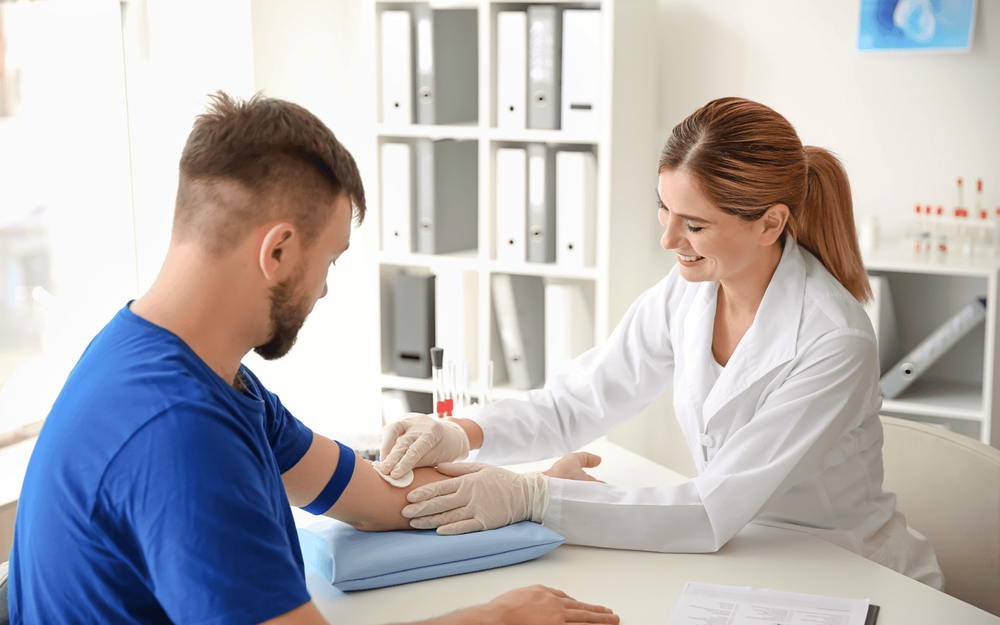
Can progesterone levels be tested through blood work? Yes. Blood tests can measure progesterone and give insights into reproductive and overall health, helping guide treatment or lifestyle changes.
How long does it take for natural methods to increase progesterone? Results vary depending on diet, lifestyle and age. Most people notice gradual improvements over several menstrual cycles.
Are supplements necessary to boost progesterone? Not always. Many people can support progesterone with diet and lifestyle changes. Supplements are helpful when natural methods aren’t enough.
Can low progesterone affect men as well as women? Yes. Although progesterone is often thought of as a female hormone, it plays roles in men’s brain function, bone strength and metabolism.
How can Bluecrest Wellness help monitor progesterone levels?
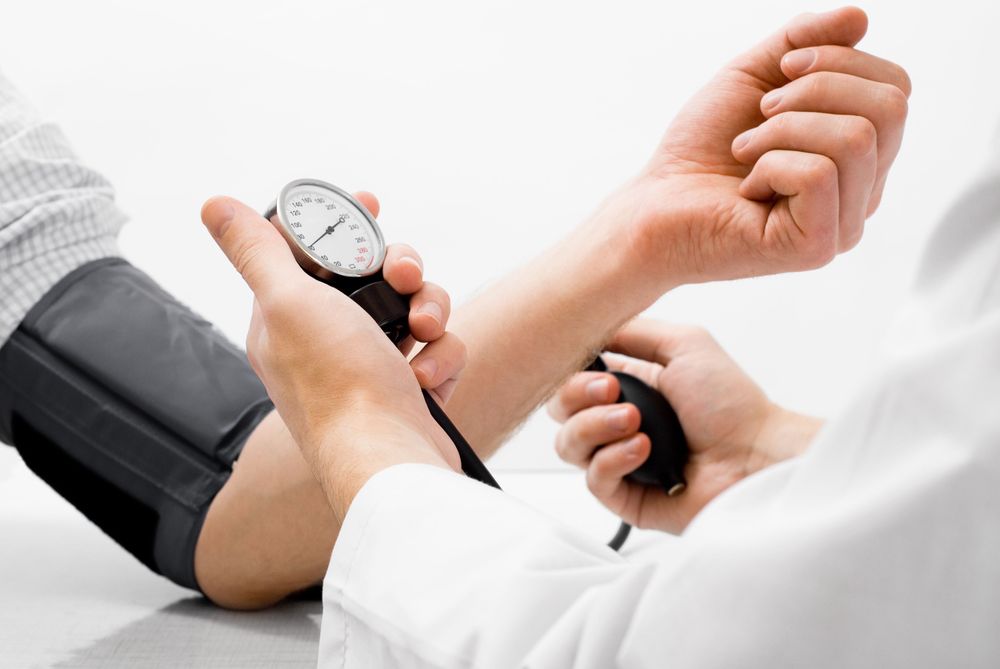
At Bluecrest Wellness, we offer a range of full-body health assessment packages that provide vital insights into your overall health and wellbeing. Our health MOTS include a range of key blood tests, as well as important metrics like your blood pressure, weight and cholesterol levels as well as your risk of common medical conditions, like diabetes. This ensures you get an overall picture of your general health.
With all our tests, we use the latest technologies to ensure accurate results. What’s more, we provide you with a comprehensive Results Report and free access to a 24/7 GP helpline for a year for complete peace of mind following your health assessment.
BOOK A PRIVATE HEALTH MOT TODAY
Need help? Call free on 0800 652 2183 to speak to one of our team.
Anna Jones
Chief Nursing Officer, BluecrestGraham Jones
Medical Writer