What are normal levels of oestradiol in a blood test?
Oestradiol is one of the main forms of oestrogen - a vital hormone that influences everything from mood and metabolism to bone strength and reproductive health. It plays a crucial role in how our bodies feel, function and age, which is why testing oestradiol can offer such valuable insight into overall wellbeing.
In this guide, we’ll explore what “normal” oestradiol levels look like, how they vary between men and women and what it might mean if your results fall outside the expected range. We’ll also look at how tracking your hormone balance through regular testing can support more informed, confident health choices.
Understanding oestradiol and its role in the body
Oestradiol belongs to the oestrogen family - hormones produced mainly in the ovaries (and in smaller amounts by the adrenal glands and fat tissue). It’s most active during the reproductive years but continues to affect many systems throughout life.
This hormone does far more than regulate fertility. It helps to:
-
Support bone density by maintaining calcium balance
-
Regulate menstrual cycles and prepare the uterus for pregnancy
-
Influence mood and brain function, helping to stabilise emotions
-
Contribute to skin elasticity and hydration
-
Aid in cholesterol regulation, supporting heart health
In men, smaller amounts of oestradiol are also essential - supporting bone health, sexual function and even cognitive wellbeing. Hormones are rarely “just for one gender”; balance is what matters most.
Why oestradiol levels fluctuate
Oestradiol levels naturally rise and fall throughout life, and even within a single month. These changes are part of a healthy hormonal rhythm and can be influenced by age, menstrual cycle phase, medication, stress and overall health.
Here’s how oestradiol typically changes across different stages:
-
Puberty: Oestradiol levels rise to trigger physical changes such as breast development and menstrual cycles in girls.
-
Reproductive years: Levels fluctuate monthly, rising sharply before ovulation, falling afterward and increasing again slightly before menstruation.
-
Pregnancy: Levels surge dramatically to support foetal growth and prepare the body for childbirth.
-
Perimenopause and menopause: As ovarian activity declines, oestradiol levels drop, which can cause symptoms such as hot flushes, low mood and reduced bone density.
-
Postmenopause: The body produces much lower amounts of oestradiol, mainly from the conversion of other hormones in fat tissue.
Lifestyle factors like stress, sleep, diet and exercise can also influence hormone balance. That’s why interpreting your results in context - rather than as “good” or “bad” - is so important.
What are considered normal oestradiol levels?
Oestradiol naturally goes up and down in the body, so there isn’t one single “normal” number. Instead, labs give reference ranges that change depending on your age, sex and stage of life.
-
Women who are still having periods (premenopausal): Levels usually fall between 30 and 500 pg/mL. They change throughout the menstrual cycle and are highest just before ovulation.
-
Women who have gone through menopause (postmenopausal): Levels are generally below 30 pg/mL because oestradiol naturally drops after menopause.
-
Men: Levels are usually between 10 and 80 pg/mL. Men make oestradiol in smaller amounts, mainly from testosterone.
If your result is outside these ranges, there’s no need to panic. Hormone levels are always moving and a single test is just a snapshot. The best way to understand your results is to look at them alongside any symptoms you might have, your lifestyle and other hormones like FSH and LH. This gives a more complete picture of your hormone health.
What can affect oestradiol levels?
Many factors can influence oestradiol levels, either temporarily or long-term:
Age and life stage - Younger adults generally have higher levels, while oestradiol drops naturally after menopause.
Medication and contraception - Hormonal contraceptives, fertility treatments or hormone replacement therapy (HRT) can affect oestrogen levels in different ways.
Body composition - Oestradiol can be produced in fat tissue, so body weight changes may slightly alter results.
Stress and sleep - Chronic stress and poor sleep disrupt hormone production and can suppress oestradiol temporarily.
Thyroid function - The thyroid gland interacts closely with reproductive hormones, so thyroid imbalances can influence oestradiol readings.
Health conditions - Ovarian disorders, pituitary issues or adrenal problems can all affect hormone production.
Understanding these influences can help explain unexpected results and guide follow-up testing if needed.
How an oestradiol blood test works
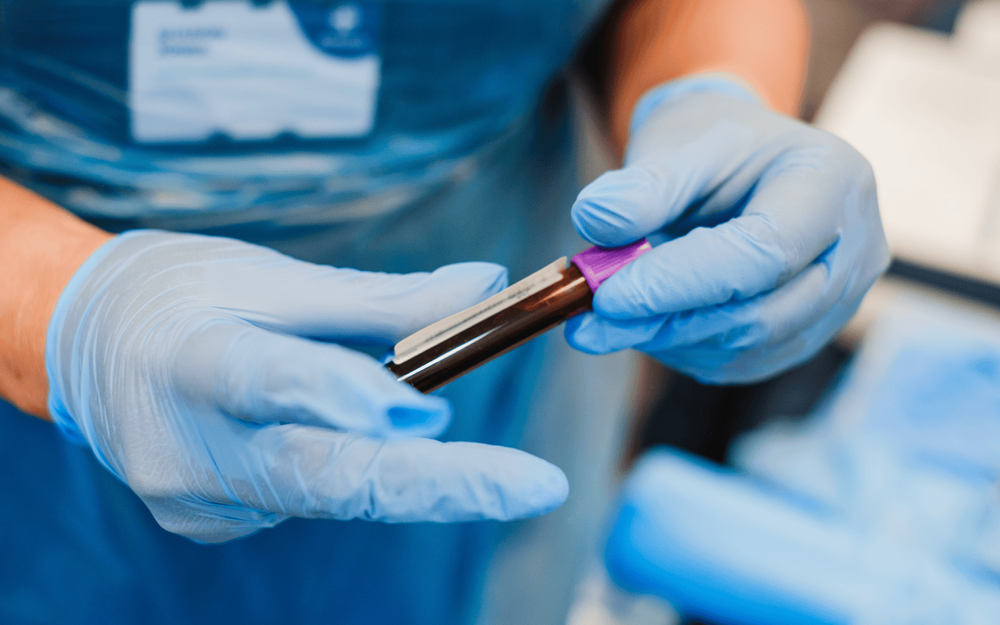
An oestradiol blood test is a simple way to see how much of the hormone is circulating in your bloodstream at a given time. The test involves a small sample taken from your arm, usually without any special preparation required.
Your results are compared against reference ranges for your age and sex. Because hormone levels fluctuate, doctors sometimes recommend repeat testing, for example, at different points in your menstrual cycle, to build a clearer picture of your natural rhythm.
For a deeper understanding, oestradiol is often measured alongside:
-
FSH (follicle-stimulating hormone): Indicates how hard your body is working to stimulate the ovaries.
-
LH (luteinising hormone): Helps identify where you are in your cycle or menopause transition.
-
Progesterone: Balances oestradiol and supports healthy cycles.
-
Testosterone and DHEA: Offer insight into overall hormone balance and metabolism.
Together, these markers can highlight whether symptoms like fatigue, mood changes or irregular periods are linked to hormonal shifts.
Why understanding oestradiol matters
Many people first learn about oestradiol through symptoms - changes in energy, mood or sleep that seem subtle but persistent. Testing can turn those vague concerns into useful information.
Monitoring oestradiol levels can:
-
Help explain menstrual changes or fertility challenges
-
Track perimenopausal or menopausal transitions
-
Highlight hormone-related mood shifts
-
Identify possible hormonal imbalances early on
-
Support preventive health, especially for bone and heart wellbeing
Hormone testing isn’t just about numbers - it’s about understanding your body’s signals and making choices that support balance, energy and long-term wellness.
Supporting healthy oestradiol levels
While some changes are inevitable with age, there are natural ways to support balanced hormone health:
-
Eat a nutrient-rich diet: Include plenty of fruit, vegetables, healthy fats and plant-based proteins.
-
Manage stress: Practices like yoga, mindfulness or walking outdoors can lower cortisol, which supports hormone stability.
-
Stay active: Regular exercise helps regulate weight and circulation, both of which affect hormone metabolism.
-
Get enough sleep: Hormones reset and repair during deep rest.
-
Avoid smoking and excess alcohol: Both can disrupt oestrogen balance and accelerate bone loss.
For anyone approaching menopause or experiencing hormonal changes, these habits, paired with regular monitoring, can make a noticeable difference to how you feel day to day.
Frequently asked questions
What causes low oestradiol levels?
Low levels may result from menopause, excessive exercise, eating disorders, or certain medical conditions. They can lead to symptoms such as irregular periods, fatigue or mood changes.
What causes high oestradiol levels?
High levels can occur during pregnancy, with ovarian cysts, or due to certain medications. Persistent elevation should always be discussed with a healthcare professional.
Can men have abnormal oestradiol levels?
Yes. Elevated oestradiol in men can affect libido or mood, while low levels can impact bone strength. Testing helps identify potential imbalances early.
When should I get my oestradiol levels tested?
Many people test when investigating symptoms like hot flushes, mood swings or cycle changes. For fertility monitoring, your clinician may recommend testing on specific days of the menstrual cycle.
How can I maintain balanced oestradiol levels naturally?
Focus on a balanced diet, regular exercise, quality sleep and stress management. Small daily habits often make the biggest difference.
Tracking your hormone health with Bluecrest
If you’re curious about where your oestradiol levels sit, or you’re noticing changes in mood, cycle or energy, a blood test can provide clarity. Tracking hormone levels with the Advanced Hormone Profile offers valuable insight into where you are in your hormone journey, helping guide your health decisions with confidence.
You’ll receive clear, easy-to-understand results covering key hormones including oestradiol, FSH, LH and more, helping you take proactive steps toward balance and wellbeing.
Need help? Call free on 0800 652 2183 to speak to one of our team.

Anna Jones
Chief Nursing Officer, Bluecrest
Graham Jones
Medical Writer