What is an oestradiol blood test?
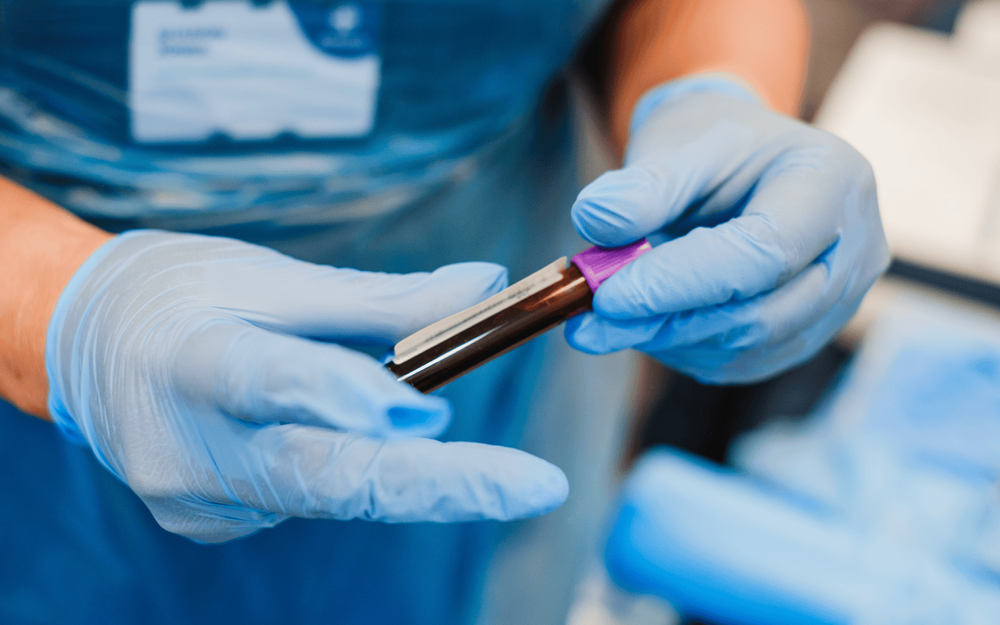
An oestradiol blood test measures the amount of oestradiol, a form of oestrogen, in your blood. Oestrogen is one of the main female sex hormones, but it also plays a vital role in many functions for men and women alike. Testing oestradiol levels can provide useful insights into fertility, menstrual health, menopause progression and overall hormonal balance.
Below, we explain what an oestradiol test measures, when it might be recommended and how it can help you understand your hormone health more clearly.
What is oestradiol?
Oestradiol (also known as E2) is a type of oestrogen, a hormone mainly produced by the ovaries in women and, in smaller amounts, by the adrenal glands and testes in men. It helps regulate the menstrual cycle, supports reproductive health, and contributes to bone, brain and heart function.
Oestradiol levels naturally fluctuate throughout life and can be affected by factors such as age, menstrual cycle stage, medication or health conditions.
Why is oestradiol important?
Oestradiol helps maintain several vital functions in the body, including:
-
Supporting the development and release of eggs during the menstrual cycle
-
Regulating the growth of the uterine lining
-
Maintaining healthy bones and joints
-
Influencing mood, energy levels and cognitive function
-
Contributing to skin and hair health
For men, oestradiol helps balance testosterone, supports bone density and plays a role in libido and sperm production.
Why might I need an oestradiol blood test?
An oestradiol blood test can help identify hormonal changes or imbalances that might be linked to symptoms or conditions affecting your reproductive, bone or overall health.
You might be advised to have an oestradiol blood test if you:
-
Have irregular or absent periods
-
Are experiencing symptoms of menopause or perimenopause
-
Have difficulty conceiving or are undergoing fertility treatment
-
Have symptoms of low oestrogen, such as hot flushes or vaginal dryness
-
Have symptoms of high oestrogen, such as breast tenderness or bloating
-
Are being monitored for conditions like polycystic ovary syndrome (PCOS)
-
Are being treated with hormone therapy or certain medications that affect hormone levels
In men, an oestradiol test may be advised if there are symptoms such as low libido, infertility or signs of hormonal imbalance.
What can affect oestradiol levels?
Oestradiol levels vary depending on age, gender and life stage. In women, they rise and fall throughout the menstrual cycle and drop significantly during menopause.
Common factors that can affect oestradiol levels include:
-
Age and stage of the menstrual cycle
-
Pregnancy or breastfeeding
-
Menopause and perimenopause
-
Hormonal birth control or hormone replacement therapy (HRT)
-
Certain health conditions such as PCOS, thyroid disorders or pituitary issues
-
Lifestyle factors including stress, weight and nutrition
Your healthcare provider will interpret your results in the context of these factors to provide a clearer picture of what your hormone levels mean.
What does a high oestradiol level mean?
High oestradiol levels can occur naturally during pregnancy or in response to hormone treatment. However, persistently high levels outside these situations may suggest:
-
Ovarian cysts or tumours
-
Overactive thyroid (hyperthyroidism)
-
Liver problems that affect hormone processing
-
Certain types of hormone therapy or medication use
Your healthcare professional may suggest further tests to identify the underlying cause if levels are unusually high.
What does a low oestradiol level mean?
Low oestradiol levels are common during menopause and may also occur due to:
-
Reduced ovarian function (primary ovarian insufficiency)
-
Pituitary or hypothalamic disorders
-
Excessive exercise or very low body weight
-
Long-term stress or eating disorders
-
Certain medications that suppress hormone production
Low oestradiol can lead to symptoms such as hot flushes, mood swings, fatigue and reduced bone strength. Tracking levels can help determine whether symptoms are related to hormonal changes and guide next steps for treatment or lifestyle management.
How do oestradiol results fit into hormone testing?
Oestradiol is usually measured alongside other hormones such as progesterone, follicle-stimulating hormone (FSH), and luteinising hormone (LH). Together, these results help build a clearer picture of reproductive and overall hormone health.
Tracking your hormone levels through a comprehensive blood test can help identify patterns and changes that explain how your body is functioning. This can be especially useful if you are experiencing symptoms of menopause, irregular periods, or fertility challenges.
You can explore your hormone health in more detail with the Advanced Hormone Profile from Bluecrest Wellness. This test measures key hormones that influence fertility, menopause progression, and general wellbeing, giving you valuable insight into your body’s hormonal balance.
What treatment options are available for abnormal oestradiol levels?
Treatment for abnormal oestradiol levels depends on the underlying cause. Your doctor may recommend:
-
Hormone replacement therapy (HRT) or other medications
-
Lifestyle changes such as improving diet, reducing stress or maintaining a healthy weight
-
Addressing underlying conditions like thyroid problems or PCOS
-
Regular monitoring to track hormone changes over time
Understanding your results can help guide next steps and support better long-term health.
Frequently asked questions
What is the normal range for oestradiol?
Normal oestradiol levels vary depending on gender, age, and menstrual cycle stage. Your test report will include a reference range to help interpret your results accurately.
Can men have an oestradiol test?
Yes. While oestradiol is often thought of as a female hormone, it plays a vital role in men too. Testing can help identify imbalances that affect bone health, libido or fertility.
Do I need to fast before an oestradiol test?
Fasting is not usually required for this test, but it’s best to follow any guidance given when booking your appointment.
Can stress affect oestradiol levels?
Yes. Prolonged stress can influence hormone balance, including oestradiol production, due to the effects of cortisol on the endocrine system.
How often should I check my hormone levels?
This depends on your health goals and any ongoing symptoms. Some people test once to get a baseline, while others check regularly to monitor changes over time, especially during menopause or fertility treatment.
When in my monthly cycle should I get an oestradiol test?
If your cycle is absent or irregular, you can get a test at any time. To check general fertility, test between days 2 and 5 of the menstrual cycle to assess baseline oestradiol levels.
Check your hormone health
If you want to take a proactive approach to your wellbeing, a hormone health check can provide valuable insight into your body’s balance.
At Bluecrest Wellness, our Advanced Hormone Profile measures key hormones including oestradiol, progesterone, FSH, and LH to help you understand where you are in your hormonal journey.
All tests are available across the UK with fast, accurate results from accredited laboratories. You’ll also receive a detailed Results Report and a year of free 24/7 GP helpline access for ongoing support.
Need help? Call free on 0800 652 2183 to speak to one of our team.

Anna Jones
Chief Nursing Officer, Bluecrest
Graham Jones
Medical Writer