The Benefits of Having a Blood Test
Blood tests aren’t just for when you’re unwell - they’re a proactive way to monitor your health and detect early signs of disease. Regular blood testing provides insights into your overall health, helping you prevent illnesses and manage existing conditions effectively. In some cases, it can even save lives.
Blood tests analyse substances in your blood - cells, proteins, hormones, nutrients, and enzymes - known as biomarkers. These biomarkers offer a window into organ function, heart health, metabolic status, immune system performance, nutrition, and more.
What are blood tests for?
Blood tests reveal how your body is functioning, providing insights into:
-
Organ health (liver, kidney, heart)
-
Metabolism and blood sugar regulation
-
Nutritional deficiencies (iron, vitamins, minerals)
-
Immune system function
-
Risk factors for chronic diseases
Why take a blood test?
Blood tests help you:
-
Detect early signs of health issues
-
Monitor chronic conditions like diabetes or high blood pressure
-
Assess the effectiveness of treatments
-
Understand your overall health status
-
Identify risk factors for future conditions
-
Gain peace of mind
Key benefits of blood testing
1. Monitor health – Track your health regularly and detect underlying issues early.
2. Quick diagnosis – Tests are fast, affordable, and results are usually available within days.
3. Detect multiple conditions – Blood tests can uncover a wide range of health issues.
4. Prevent disease – Early detection allows for proactive lifestyle or treatment changes.
5. Treat conditions early – Start treatment sooner for better outcomes.
6. Manage chronic conditions – Monitor disease progression and adjust treatments.
7. Track changes over time – Detect health changes before symptoms appear.
8. Evaluate organ function – Assess liver, kidney, and heart health.
9. Check nutritional status – Identify deficiencies in essential vitamins and minerals.
10. Monitor medication side effects – Ensure treatments aren’t causing harm.
11. Screen for cancer – Detect markers for early cancer intervention.
12. Identify infections – Spot bacterial or viral infections.
13. Assess risk factors – High cholesterol, blood sugar, or other markers.
- Peace of mind – Know your health status and reduce worry.
How often should you have a blood test?
Frequency depends on the type of test, your health, and personal risk factors. Many doctors recommend annual blood work, but some conditions may require more frequent monitoring. Factors affecting testing frequency include:
-
Age and sex
-
Family history of disease
-
Lifestyle (diet, exercise, smoking, alcohol)
-
Medications
-
Pre-existing conditions
Blood tests can be taken individually or as part of a full-body health assessment, providing a comprehensive overview of your health.
What happens during a blood test?
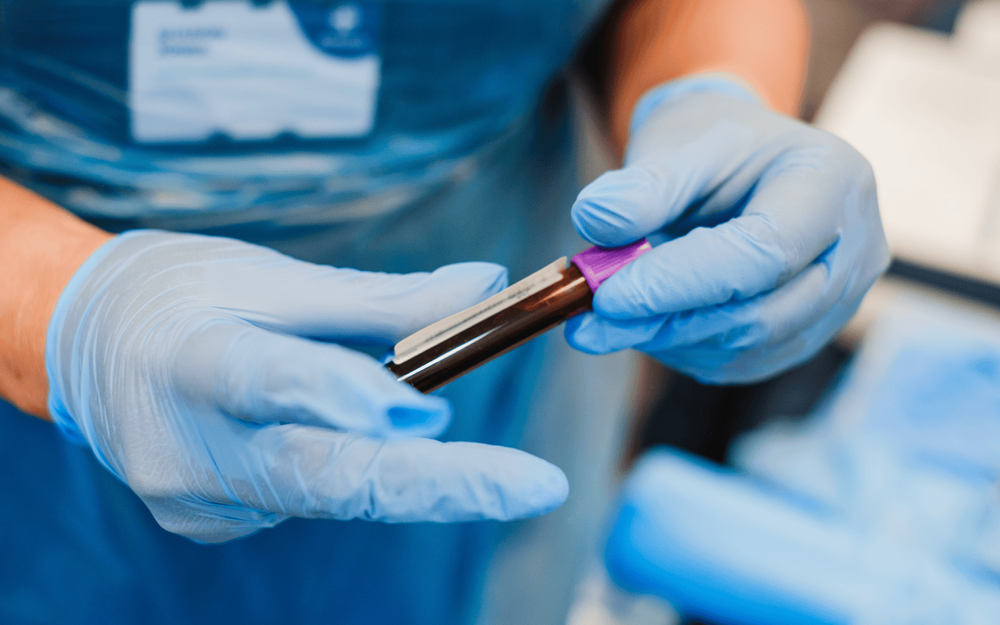
A trained medical professional (doctor, nurse, or phlebotomist) draws blood from a vein in your arm. The procedure is quick, nearly painless, and takes just a few minutes. Samples are analysed in accredited laboratories, with results sent directly to you or your doctor.
Home testing kits are available for some tests, but in-person blood samples remain more accurate.
Annual health assessments
Routine annual health assessments provide a detailed snapshot of your health, helping you identify issues early and take proactive steps. At Bluecrest Wellness, our full-body health checks are quick, easy, and include:
-
Comprehensive testing across multiple health markers
-
Personalised digital Results Report within 8 days
-
Access to our 24/7 GP Helpline for a full year
FAQs
Can blood tests predict future health risks?
Yes, blood tests can reveal markers that indicate your risk for certain conditions, helping you take preventative measures before symptoms appear.
Are blood tests safe for everyone?
Blood tests are generally safe for most people. Minor bruising or discomfort may occur at the site of the needle, but serious complications are extremely rare.
Can lifestyle changes affect blood test results?
Yes, diet, exercise, sleep, and stress can all influence biomarkers in your blood. Regular testing helps track how lifestyle changes impact your health.
How soon can I act on abnormal results?
If a test result falls outside the expected range, you can discuss next steps immediately with a GP. Early action often improves health outcomes and may prevent complications.
How to arrange a blood test
-
Choose the most appropriate health assessment for you.
-
Select a convenient testing centre and appointment time (over 400 venues across the UK and Ireland).
-
Attend your appointment - tests usually take under 30 minutes.
-
Receive your personalised digital Results Report within 8 days.
-
Discuss your results with our GP Helpline if needed.
BOOK YOUR HEALTH ASSESSMENT NOW
Need help? Call free on 0800 652 2183 to speak to one of our team.

Anna Jones
Chief Nursing Officer, Bluecrest
Dr Martin Thornton
Chief Medical Officer, Bluecrest