Osteoporosis after menopause: why risk jumps and what to do
Bone health becomes particularly important around and after menopause. As oestrogen levels fall, bone loss can speed up, increasing the risk of osteoporosis over time.
The good news is that there are plenty of things you can do to support your bones, from staying active and getting enough calcium and vitamin D to understanding when you may benefit from a bone density scan.
Why does osteoporosis risk increase after menopause?
Your bones are constantly changing. Old bone is broken down and replaced with new bone, helping to keep your skeleton strong.
Oestrogen plays an important role in this process. When oestrogen levels fall during menopause, the rate of bone loss can increase. Women tend to lose bone more quickly in the first few years after menopause, before the rate of loss slows down.
This is why the years around menopause are an important time to think about bone health. The amount of bone you have going into menopause, along with how quickly you lose it afterwards, can affect your risk of osteoporosis later in life.
What is osteoporosis?
Osteoporosis is a condition that makes bones weaker and more likely to break.
It can develop without obvious symptoms, so you may not know your bones have become weaker until you have a fracture. This is one reason why knowing your risk factors and looking after your bone health can be useful.
Your risk can be higher if you have factors such as:
- An early or premature menopause
- A family history of osteoporosis or hip fractures
- Low body weight
- Smoking
- Drinking too much alcohol
- Certain long-term medicines, including steroids
- A previous fracture
If you're concerned about your risk, speak to a GP. They can assess your individual circumstances and decide whether further testing is appropriate. For more information, read our guide to how osteoporosis is tested.
Why the years around menopause matter
Bone loss can happen more quickly in the early years after menopause. This makes the menopause transition an important time to think about your long-term bone health.
The strength of your bones when you reach menopause can also make a difference. Bone density builds throughout early life and is influenced by factors such as physical activity, nutrition and general health.
This means it's worth thinking about bone health before menopause, too. Staying active, eating a balanced diet and getting enough calcium and vitamin D can all help you maintain healthy bones as you get older.
How can you protect your bones after menopause?
There are several simple ways to support bone health throughout and after menopause.
Get enough calcium
Calcium is important for maintaining strong bones. Most adults need around 700mg of calcium a day, which can usually be achieved through a varied diet.
Good sources include milk, yoghurt and cheese, as well as fortified plant-based alternatives, leafy green vegetables, tofu and some types of fish.
If you're unsure whether you're getting enough calcium, a healthcare professional can help you work out what's right for you.
Make sure you're getting enough vitamin D
Vitamin D helps your body absorb calcium and is important for healthy bones.
In the UK, it's difficult to get enough vitamin D from sunlight during the autumn and winter months, so the NHS recommends that adults consider taking a daily 10 microgram vitamin D supplement during this time. Some people may need to take vitamin D all year round depending on their circumstances.
Vitamin D is also found in foods including oily fish, egg yolks and some fortified foods.
At Bluecrest, 34.8% of customers tested have low vitamin D levels. This figure covers Bluecrest customers of different ages and isn't specific to women going through menopause, but it shows why vitamin D is worth keeping an eye on as part of your wider health.
Keep moving
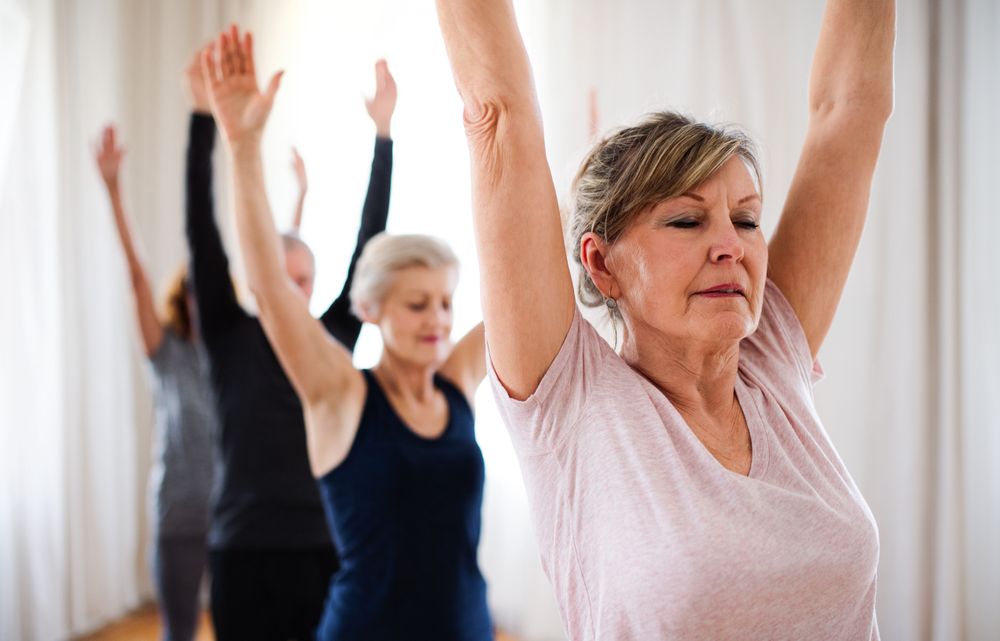
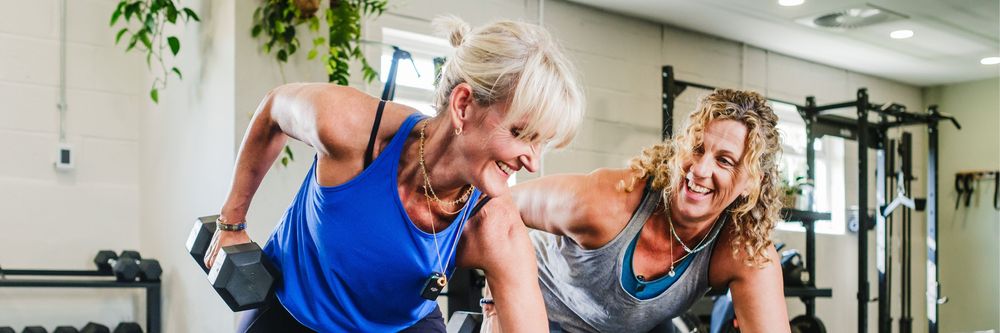
Weight-bearing and resistance exercises can help maintain bone strength and muscle as you get older.
Walking, dancing, jogging and resistance training are all examples of activities that put healthy levels of stress through your bones. Strength training can also help you maintain the muscle strength and balance that support mobility and reduce your risk of falls.
If you're new to exercise, start at a level that feels manageable and build up gradually. For more ideas, read our guide to the best exercises for menopause.
Don't smoke and keep alcohol within recommended limits
Smoking is linked with weaker bones and a higher risk of osteoporosis. Drinking heavily can also affect bone health. Stopping smoking and keeping your alcohol intake within the recommended limits can support your bones as well as your general health.
When should you have a bone density scan?
A bone density scan, also called a DEXA scan, measures how dense or strong your bones are. It's a quick, painless scan that uses a low dose of X-rays.
You don't necessarily need a DEXA scan simply because you've been through menopause. Whether one is appropriate depends on your age and individual risk factors.
Your GP may consider your family history, previous fractures, weight, medicines and other factors when assessing your risk. A fracture risk assessment can also help determine whether a bone density scan is needed.
If you've been through an early menopause, have a family history of hip fracture or have other risk factors for osteoporosis, it's worth discussing your bone health with your GP.
Can blood tests check your bones?
Blood tests can't measure how strong your bones are. They can, however, provide useful information about some of the factors that affect bone health. For example, a healthcare professional may check calcium, vitamin D and other markers if they think there's a reason to investigate your bone health further.
A DEXA scan is the test used to measure bone density. Blood tests and bone density scans provide different information, so your healthcare professional may use one or both depending on your circumstances.
Does HRT help protect your bones?
Hormone replacement therapy (HRT) can help with menopause symptoms and can also help prevent osteoporosis by replacing some of the oestrogen lost during menopause.
HRT isn't suitable for everyone, and the benefits and risks depend on your individual circumstances. If you're considering HRT, your GP or another healthcare professional can help you decide whether it's appropriate for you.
This can be particularly important if you experience early or premature menopause, when bone health can be affected for longer.
Looking after your bones after menopause
The years around menopause are an important time to think about your long-term bone health. Staying active, eating a balanced diet, getting enough calcium and vitamin D and understanding your individual risk can all help you look after your bones.
If you're concerned about osteoporosis or have risk factors that apply to you, speak to your GP about whether you need further assessment or testing.
Take a closer look at your hormone health with Bluecrest Wellness
If you're going through menopause or experiencing symptoms that you think may be hormone-related, Bluecrest's hormone profiles can provide more information about your hormone levels. Different profiles are available depending on your needs, including tests covering hormones associated with menopause.
Your results are presented in a clear, personalised report, helping you understand your results and identify anything you may want to discuss with a healthcare professional.
Explore Bluecrest Hormone Profiles.
Need help? Call free on 0800 652 2183 to speak to one of our team.
This article is for general health information purposes and does not constitute medical advice. If you have concerns about your bone health or menopause, please speak with a healthcare professional or GP.

Dr Martin Thornton
Chief Medical Officer, Bluecrest
Graham Jones
Medical Writer