Hypertension at Work: Risks and Warning Signs
High blood pressure, also known as hypertension, is common and often goes unnoticed. Unlike some health conditions, it doesn't usually cause obvious symptoms, so someone can have high blood pressure without knowing it. The only way to find out is to have it checked.
For employers, this makes blood pressure an important part of a proactive workplace wellbeing strategy. Supporting employees to understand their blood pressure can help them become more aware of an important aspect of their health and, where appropriate, seek further advice.
High blood pressure can increase the risk of serious health problems including heart disease, heart attacks, strokes, heart failure and kidney disease if it remains untreated.
What is hypertension?
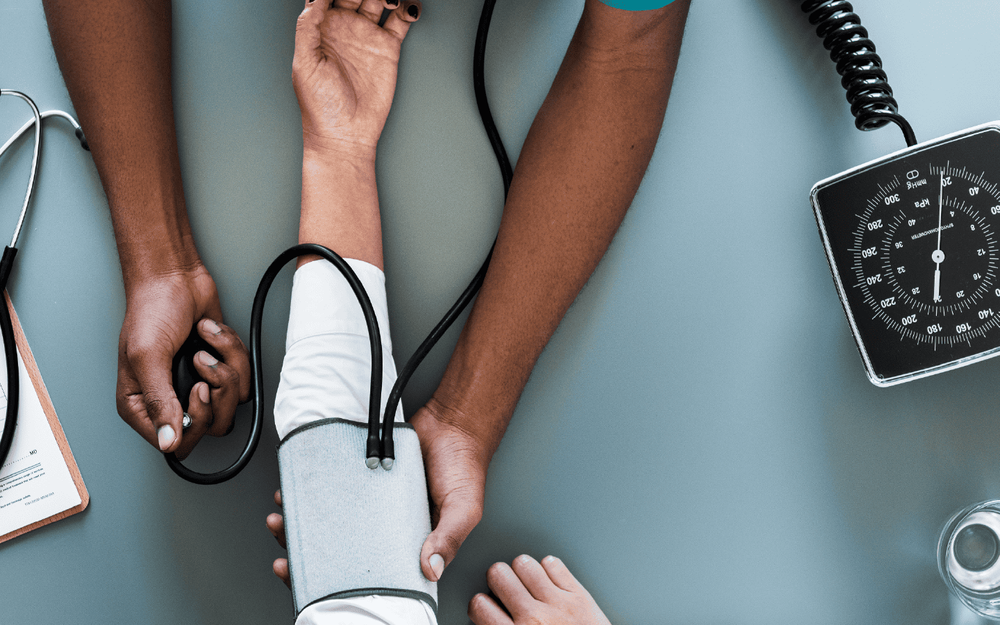
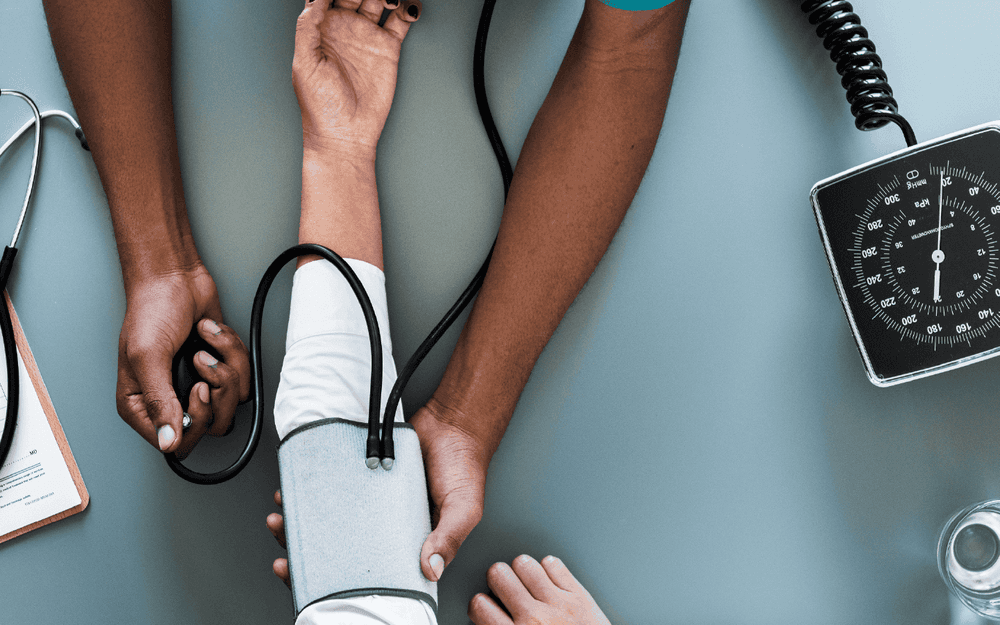
Blood pressure is the force of blood pushing against the walls of the arteries as the heart pumps it around the body. A blood pressure reading is given as two numbers:
- Systolic pressure: the pressure when the heart beats.
- Diastolic pressure: the pressure when the heart rests between beats.
High blood pressure means these readings are consistently higher than recommended levels.
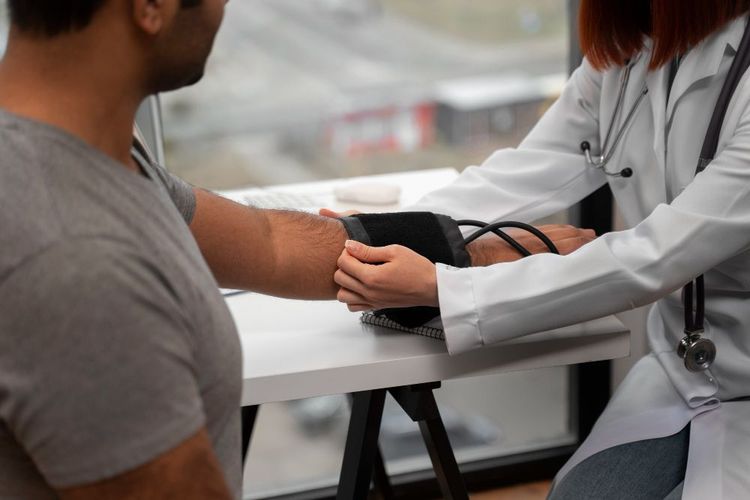
In a clinical setting, a reading of 140/90mmHg or above is generally considered high. If a reading suggests hypertension, it is usually confirmed with further measurements, such as home blood pressure monitoring or 24-hour ambulatory blood pressure monitoring.
A single raised reading doesn't necessarily mean someone has hypertension. Blood pressure can vary throughout the day and can be affected by factors such as stress and activity, which is why diagnosis is based on repeated measurements rather than one result.
Why does blood pressure matter at work?
High blood pressure isn't caused by work alone, and employers aren't responsible for diagnosing or treating it. However, the workplace can be a useful setting for encouraging people to take a more proactive approach to their health.
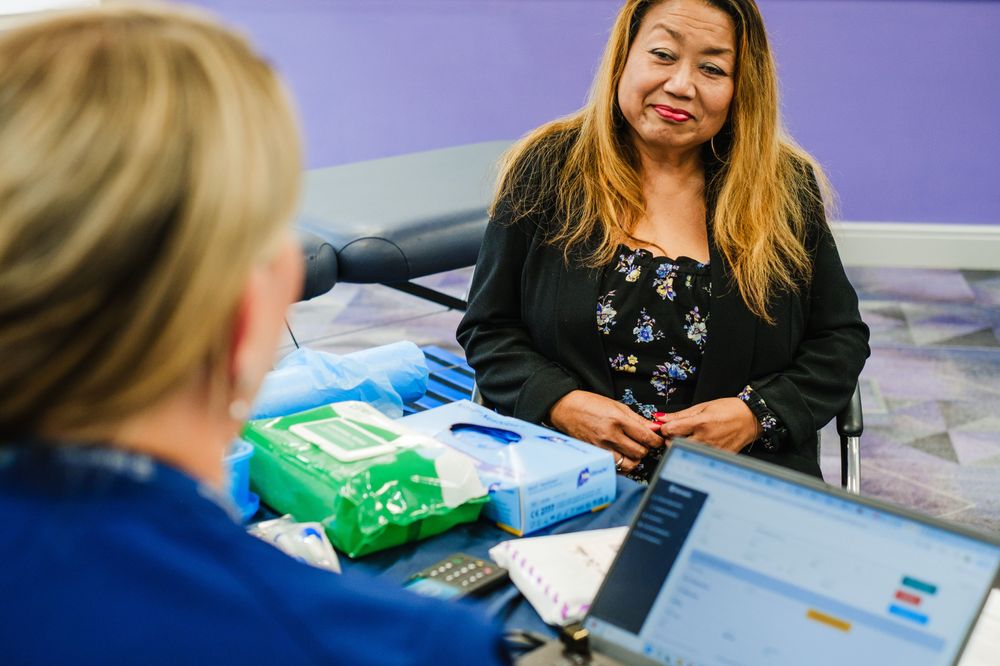
Many employees may not realise their blood pressure is elevated because there may be no noticeable symptoms. A workplace health programme that includes blood pressure measurement can provide an opportunity for employees to learn more about their results and consider whether they need to take further action.
For employers, supporting proactive health awareness can also form part of a wider approach to employee wellbeing, alongside areas such as healthy eating, physical activity, stress management and smoking cessation.
What are the warning signs of high blood pressure?
The most important thing to know is that there may be no warning signs at all.
Most people with high blood pressure don't experience symptoms, even when their blood pressure is raised. This means that waiting for employees to report symptoms isn't an effective way to identify hypertension.
Occasionally, particularly when blood pressure is very high, someone may experience symptoms such as:
- Headaches
- Blurred vision
- Chest pain
- Dizziness or feeling sick
These symptoms can have many different causes, so they shouldn't be assumed to indicate high blood pressure. A blood pressure check is needed to establish whether someone's blood pressure is raised.
What increases the risk of hypertension?
There isn't usually one single cause of high blood pressure. A combination of factors can increase someone's risk.
These include:
- Getting older
- Having a family history of high blood pressure
- Being overweight
- Eating a diet high in salt
- Not doing enough physical activity
- Drinking too much alcohol
- Smoking
- Experiencing long-term stress
Genetics and other health conditions can also play a role.
Not all of these factors are within an individual's control. That's important when considering workplace wellbeing: the aim should be to provide accessible health information and support rather than place responsibility for health entirely on employees.
What are the risks of untreated high blood pressure?
Over time, high blood pressure can put additional strain on blood vessels, the heart and other organs.
If it remains untreated, it can increase the risk of:
- Heart disease
- Heart attacks
- Strokes
- Heart failure
- Kidney disease
- Vascular dementia
The risk can be higher when someone has other health conditions, including diabetes or kidney disease. The good news is that high blood pressure can often be managed through lifestyle changes, medication or a combination of both.
How can employers support better blood pressure awareness?
There are several practical ways employers can make blood pressure part of a wider wellbeing strategy.
Make health checks accessible
Workplace health assessments can give employees an opportunity to understand aspects of their health that they may not otherwise have checked. Offering health assessments at work can make it easier for employees to engage with their health without having to arrange a separate appointment during their working week.
Create a supportive approach to health
Health initiatives are more likely to be useful when employees feel they're there to support them rather than monitor them. Employers can encourage participation by making health information accessible, explaining what assessments involve and giving employees appropriate privacy around their individual results.
Encourage healthy workplace habits
The same factors that can increase the risk of high blood pressure can also be influenced by workplace culture.
Employers can consider practical measures such as:
- Encouraging regular movement during the working day
- Making healthier food and drink choices easier
- Supporting employees to take proper breaks
- Providing information about smoking cessation and alcohol
- Supporting a healthy approach to workload and stress
These measures shouldn't be presented as a replacement for medical care, but they can contribute to a workplace environment that supports healthier choices.
How can workplace health assessments help?
Hypertension doesn't always cause noticeable symptoms, so giving employees an opportunity to check their blood pressure can be a useful part of a wider approach to workplace wellbeing.
Bluecrest corporate health assessments include blood pressure measurement alongside other health measures, giving employees personalised information they can understand and use. The results can help employees identify areas they may want to pay more attention to and, where appropriate, discuss them with a healthcare professional.
For employers, health assessments provide a practical way to make health information more accessible across the workforce, while keeping individual results private. They can sit alongside the wider policies and support an organisation already has in place for employee wellbeing.
To find out more about Bluecrest's corporate health assessment packages, contact our corporate team on 01903 253177 or fill out the online form.

Dr Martin Thornton
Chief Medical Officer, Bluecrest
Graham Jones
Medical Writer