Does Exercise Boost Your Immune System?
We all want to stay healthy, especially during cold and flu season. Exercise often comes up as a way to help, but what does it actually do for your immune system? Can moving more really make you less likely to get sick, or help you recover faster when you do?
This guide will break down how exercise affects your immune system, which types of activity are most useful, and how Bluecrest Wellness can help you check your immune health for complete peace of mind.
How your immune system works
Your immune system is your body’s defence network. It’s made up of different cells, proteins and organs that work together to fight infections and other threats. Some parts react quickly, like when you cut yourself and the area becomes red and swollen, while others provide longer-term protection, such as antibodies that recognise viruses you’ve met before.
A strong immune system helps you recover faster from infections, reduces the severity of illness, and keeps you feeling well overall. But it’s important to remember that your immune system is complex. Age, diet, stress, sleep and genetics all play a role in how well it functions.
How exercise affects immunity
Research shows that regular activity has a positive effect on your immune system. Exercise can help by:
-
Boosting circulation, which helps immune cells move through your body more efficiently
-
Reducing inflammation, which improves how your body responds to infections
-
Regulating stress hormones, which in excess can suppress immune function
It doesn’t have to be intense. Even moderate activity, like brisk walking, cycling or swimming, can make a difference. The most important thing is consistency. A little each day is better than a long, exhausting session once in a while.
Finding the right balance
Too much exercise can actually have the opposite effect. Very intense or prolonged workouts, such as marathon training or extreme endurance sessions, can temporarily suppress your immune system.
That’s why it’s better to aim for regular, moderate activity. Daily walks, short runs or home workouts are all effective for keeping your immune system working well.
Types of exercise to try
Different kinds of movement help in different ways:
-
Aerobic exercise such as walking, cycling or swimming improves cardiovascular health and helps immune cells circulate.
-
Strength training with weights or bodyweight exercises supports muscle mass and metabolism, which is important as we age.
-
Flexibility and balance exercises like yoga or Pilates reduce stress and aid recovery, which indirectly helps immunity.
The best type of exercise is the one you enjoy. If it feels like a chore, you’re less likely to stick with it.
Lifestyle matters
Exercise is only one part of the picture. Other factors also affect how well your immune system works:
-
Sleep: Enough rest allows your immune system to repair and regenerate.
-
Nutrition: A balanced diet full of fruit, vegetables, whole grains and protein supports immune function.
-
Stress management: Long-term stress can weaken your immune system. Techniques like meditation, hobbies or deep breathing can help.
-
Avoiding excess alcohol and smoking: Both can suppress immune responses over time.
Checking your immune health
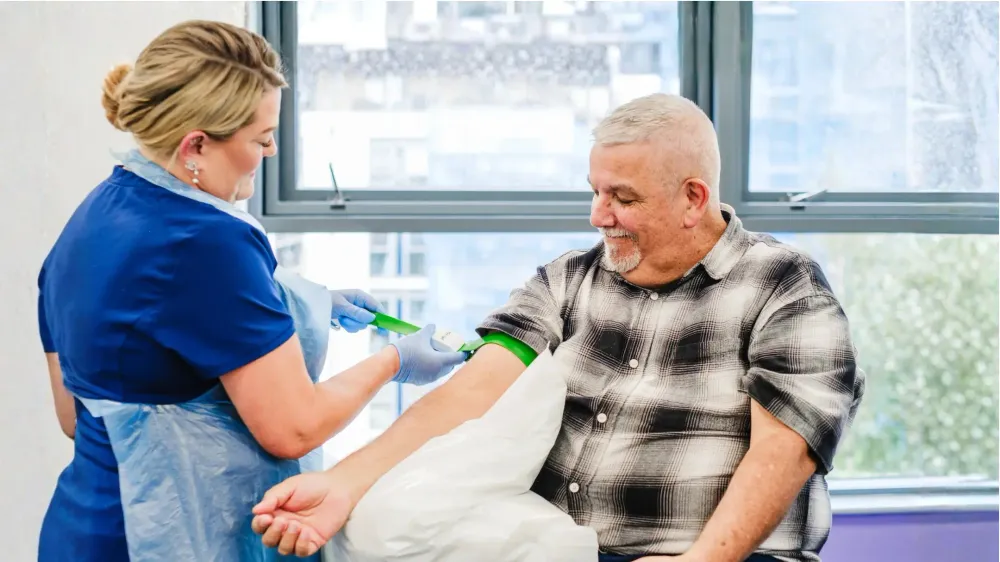
Even with good habits, it can be helpful to see how your immune system is performing. Bluecrest Wellness offers a private immune system test. It looks at markers such as white blood cell counts and inflammation, giving you insight into how your body is defending itself.
The test can also be added to many of our other health packages. This gives a clearer picture of your health and helps you make informed decisions about lifestyle, supplements or further investigations with a GP.
How much exercise do you need?
General guideline suggests:
-
150 minutes of moderate aerobic activity per week, such as brisk walking or cycling
-
Two strength sessions per week to maintain muscle and metabolism
-
Flexibility and mobility work a few times a week to reduce stress and aid recovery
Spread activity across the week rather than cramming it into one or two sessions. Even small bouts of movement, like taking the stairs or short home workouts, add up and support immunity.
Benefits beyond immunity
Exercise has a lot of benefits besides keeping you well. It can:
-
Improve mood and reduce anxiety
-
Boost sleep quality
-
Support heart and lung health
-
Help manage weight
-
Maintain strength and mobility as you age
All of these indirectly support your immune system too. A body that is strong, rested and nourished responds better to infection than one that is stressed or sedentary.
Getting started
If you are new to exercise or coming back after a break, start small:
-
Begin with short daily walks and gradually increase intensity
-
Mix aerobic, strength and flexibility exercises throughout the week
-
Make it social if you can, such as walking with a friend or joining a class
-
Listen to your body and rest when you need it
Consistency beats intensity. Small, regular changes make the biggest difference for immune support.
Check your health today
If you want a clearer idea of how your immune system is performing or a full overview of your health, book a private Health MOT with Bluecrest Wellness.
We offer appointments across the UK, so you can book a health check at a time and location to suit you. You can be confident that we will deliver fast, efficient and accurate results as we have established links with leading UK laboratories and are fully accredited for a wide range of private blood checks.
The immune system test is included in our Complete Full Body Health MOT, or it can be added to many of our other packages for extra reassurance.
Need help? Call free on 0800 652 2183 to speak to one of our team.
Anna Jones
Chief Nursing Officer, BluecrestGraham Jones
Medical Writer