The Connection Between Sleep & Your Immune System
Sleep is one of the most powerful ways to support your immune system. While diet, exercise and stress all play a role, the quality and quantity of your sleep can directly influence how your body defends itself against infections, illness and long-term health issues. Poor sleep doesn’t just leave you feeling groggy, it can make you more susceptible to colds, flu and other infections.
Below, we’ll explore how sleep and immunity are linked, what happens when sleep is poor and practical steps you can take to protect both your rest and your immune system.
How sleep supports your immune system
When you sleep, your body is far from inactive. It carries out essential repair and maintenance processes, many of which directly support your immune system. During deep sleep, your body produces infection-fighting cells and proteins, including cytokines, which help your immune system respond to viruses, bacteria and inflammation.
Getting enough quality sleep ensures these processes run efficiently. Without it, your body’s ability to respond to pathogens decreases. That’s why after a few nights of poor sleep you might notice you’re more prone to catching colds or feeling run down.
What happens when sleep is poor
Sleep deprivation or fragmented sleep can suppress immune function in several ways. Research shows that people who regularly get less than six hours of sleep a night are more likely to catch respiratory infections and take longer to recover.
Poor sleep affects the production of antibodies and white blood cells, both critical for fighting infections. It can also trigger chronic, low-level inflammation, which further weakens your immune response over time. In other words, skipping on sleep doesn’t just make you tired, it reduces your body’s ability to defend itself effectively.
Understanding sleep cycles and immunity
It’s not just the number of hours that matters; the quality of your sleep is equally important. Sleep occurs in cycles, each with its own role in supporting health. Deep sleep is when the body repairs tissues, strengthens muscles and releases growth hormones. REM sleep, on the other hand, is crucial for memory, learning and regulating stress, all of which indirectly influence immune function.
Disrupting these cycles, whether through stress, irregular routines, or environmental factors, can reduce the effectiveness of these restorative processes. Even if you spend enough hours in bed, poor quality sleep can leave your immune system less able to respond to challenges.
Factors that influence sleep and immunity
Several lifestyle and environmental factors can affect both sleep quality and immune health:
-
Stress and cortisol levels: Chronic stress can make it harder to fall asleep and stay asleep. Higher cortisol also suppresses immune function.
-
Nutrition: Deficiencies in vitamins such as D and minerals like iron can affect energy, sleep, and immunity.
-
Exercise: Regular physical activity promotes deeper, more restorative sleep and strengthens immune resilience.
-
Alcohol and caffeine: Excess alcohol can fragment sleep, while caffeine late in the day can delay sleep onset.
-
Light exposure: Natural daylight helps regulate your circadian rhythm, while artificial light at night can interfere with sleep signals.
Supporting sleep through these factors is one of the simplest ways to help your immune system work at its best.
How health tests can help
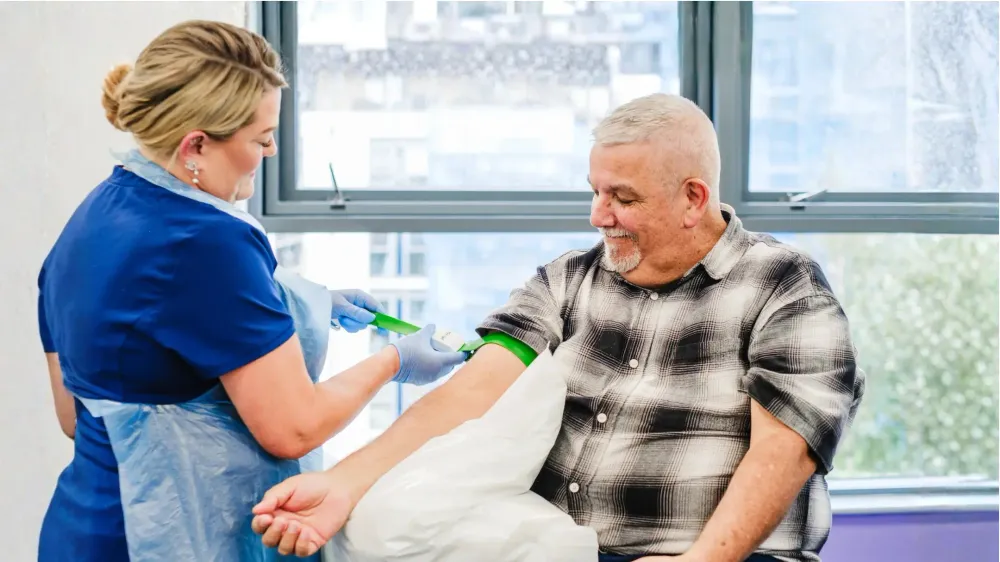
While there isn’t a single test for “sleep quality,” a Full Body Health MOT can give you valuable insights into factors that influence your immune system. Blood tests such as Vitamin D, Iron and Full Blood Count can highlight deficiencies or imbalances that affect energy, sleep and immune response.
By tracking these markers over time, you can see where improvements are possible. This gives you a clear picture of how your lifestyle, nutrition and sleep patterns are impacting your overall health.
Practical tips to support sleep and immunity
Even small changes can make a noticeable difference. Here are some steps you can take:
-
Stick to a consistent bedtime and wake-up routine to regulate your circadian rhythm.
-
Keep your bedroom cool, dark and quiet to encourage deeper sleep.
-
Limit screen time in the hour before bed to reduce blue light exposure.
-
Eat a balanced diet rich in nutrients that support immunity, including leafy greens, lean protein and healthy fats.
-
Exercise regularly, but avoid vigorous activity too close to bedtime.
-
Manage stress with relaxation techniques, meditation or gentle breathing exercises.
By combining these habits, you’re giving your immune system the support it needs to function at its best.
Your next step to better sleep and health
Supporting your immune system starts with understanding your overall health. Bluecrest Wellness’s Full Body Health MOT provides a detailed view of key markers, helping you see where improvements can be made to support sleep, immunity and overall wellbeing.
You can also enhance your MOT with optional tests, including Vitamin D, Iron and Full Blood Count, to understand more about your nutritional and blood health. Booking a health check is a simple way to take control of your health and get personalised guidance for better sleep and a stronger immune system.
Need help? Call free on 0800 652 2183 to speak to one of our team.
Anna Jones
Chief Nursing Officer, BluecrestGraham Jones
Medical Writer