How to Increase Your Haemoglobin Levels
Haemoglobin is a protein in your red blood cells that carries oxygen around the body. When levels are too low, it can leave you feeling tired, weak and short of breath. Low haemoglobin is often linked to anaemia, which affects millions of people in the UK.
Fortunately, there are several ways to support healthy haemoglobin levels, from diet and lifestyle changes to health testing. Below we explain what haemoglobin does, how to spot when it might be low, what affects it and steps you can take to boost it.
What is haemoglobin and why does it matter?
Haemoglobin is made up of iron and proteins, and its main job is to transport oxygen from your lungs to the rest of your body. Without enough haemoglobin, your tissues and organs may not get the oxygen they need to function properly.
Healthy haemoglobin levels are essential for:
-
Energy and stamina
-
Cognitive function
-
Healthy heart and lungs
-
Overall wellbeing
Low haemoglobin can leave you feeling sluggish, make physical activity harder and in severe cases lead to complications if untreated.
Signs of low haemoglobin
Low haemoglobin does not always produce obvious symptoms at first. Many people only discover the issue during a blood test. However, some signs can suggest you may be affected:
-
Persistent fatigue or weakness
-
Pale skin or gums
-
Shortness of breath during light activity
-
Dizziness or headaches
-
Rapid heartbeat or palpitations
-
Cold hands or feet
A number of factors can cause these symptoms, so it is important not to self-diagnose. The most reliable way to check your levels is through a blood test.
Factors that affect haemoglobin levels
Several things can influence haemoglobin, including diet, lifestyle and underlying health conditions.
Diet and nutrient intake
Haemoglobin relies on certain nutrients to be produced efficiently. These include:
-
Iron – the key building block of haemoglobin. Found in red meat, liver, beans, lentils, fortified cereals and dark leafy greens.
-
Vitamin B12 – important for red blood cell production. Found in meat, fish, eggs and dairy.
-
Folate (vitamin B9) – helps create new red blood cells. Found in leafy greens, citrus fruits, beans and fortified grains.
-
Vitamin C – boosts iron absorption from plant foods. Found in citrus fruits, bell peppers, broccoli and strawberries.
A diet lacking these nutrients can lead to reduced haemoglobin over time.
Lifestyle factors
Certain lifestyle habits may contribute to lower haemoglobin levels, including:
-
Excessive alcohol intake, which can interfere with red blood cell production
-
Smoking, which can reduce oxygen delivery to tissues
-
Lack of physical activity, which can indirectly affect blood health
Health conditions
Some medical issues can cause low haemoglobin or anaemia:
-
Iron deficiency due to poor intake or blood loss
-
Chronic kidney disease, which affects red blood cell production
-
Inherited conditions such as thalassemia or sickle cell disease
-
Gastrointestinal issues that reduce nutrient absorption
Understanding the underlying cause is key to safely improving haemoglobin.
How to naturally support haemoglobin
There are practical steps you can take to help maintain or increase haemoglobin levels.
Eat iron-rich foods Include a mix of haem iron (from animal sources) and non-haem iron (from plant sources) in your diet. Pair non-haem iron with vitamin C-rich foods to boost absorption.
Balance your vitamins Ensure you get enough B12 and folate through diet or supplements if needed. For those following vegetarian or vegan diets, a B12 supplement is often recommended.
Stay hydrated Good hydration supports circulation and overall blood health. Aim for regular water intake throughout the day.
Moderate exercise Regular physical activity stimulates red blood cell production. Low-impact activities like walking, cycling, or swimming can help maintain healthy haemoglobin.
Avoid inhibitors Some substances can reduce iron absorption. Limit excess tea, coffee, and high-calcium foods around meal times when iron-rich foods are eaten.
When to get tested
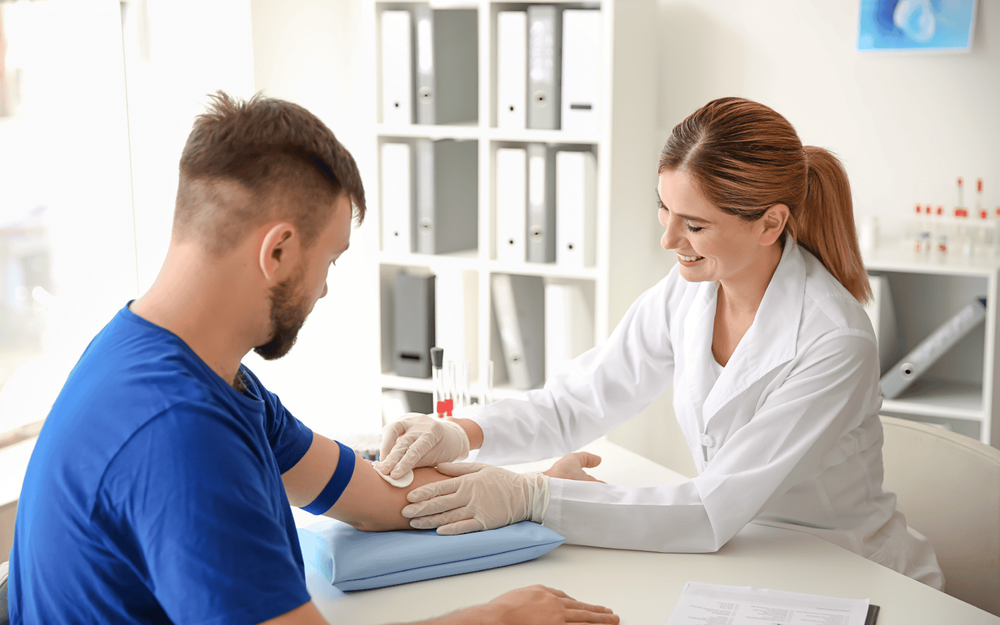
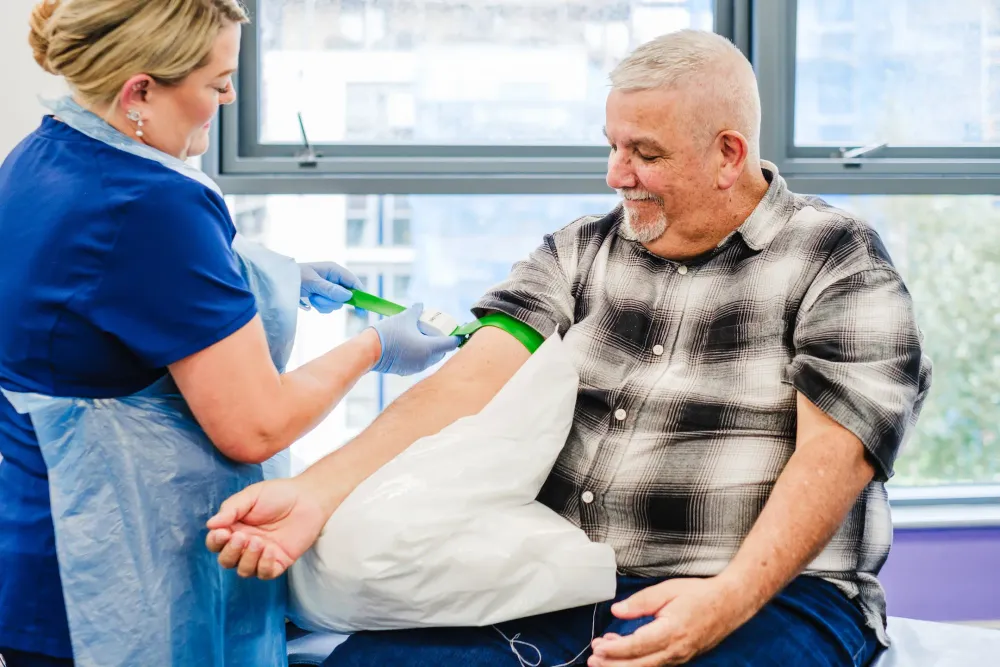
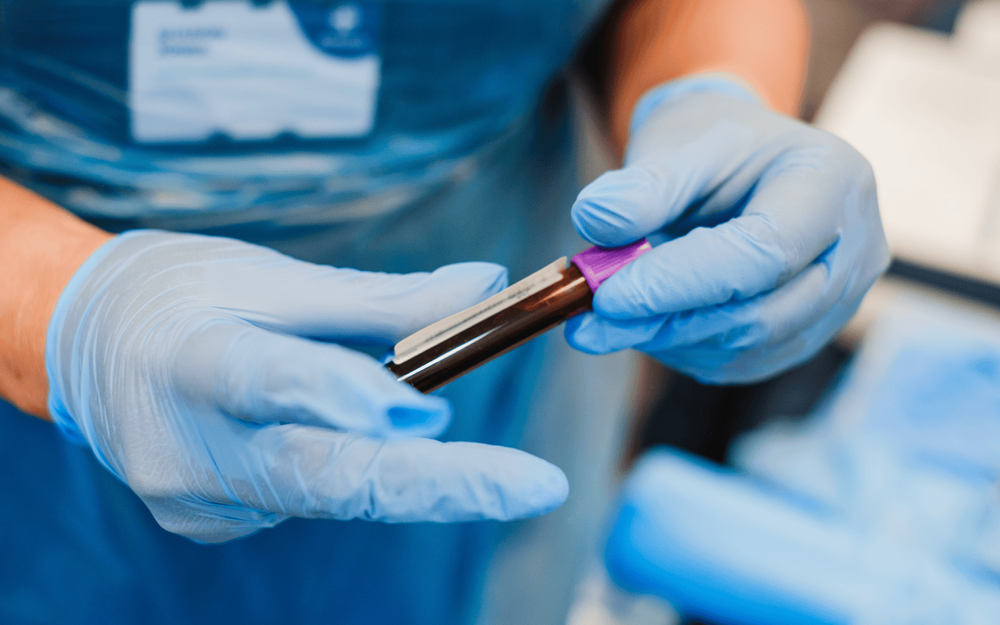
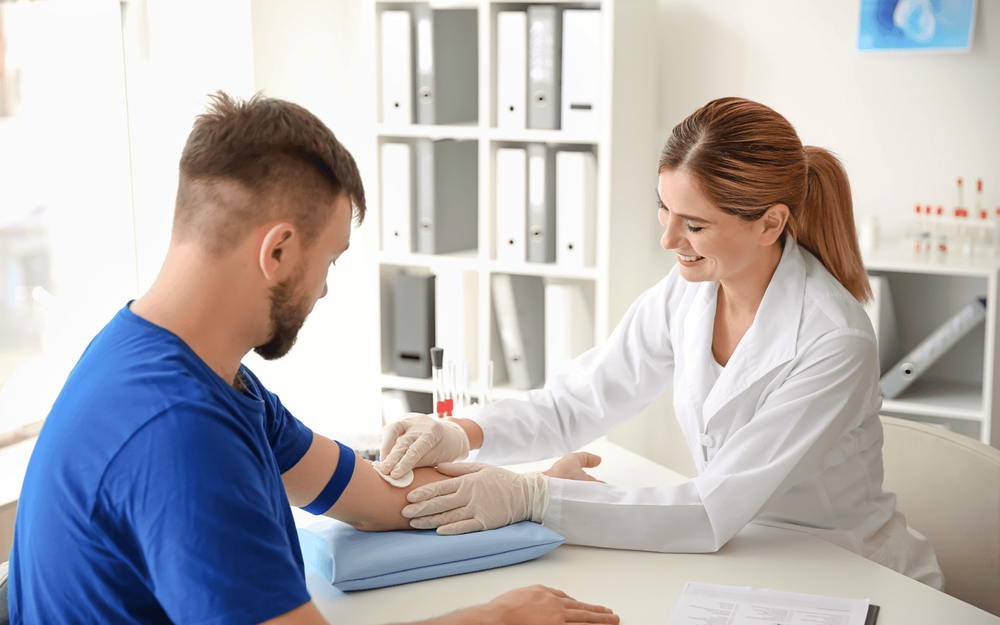
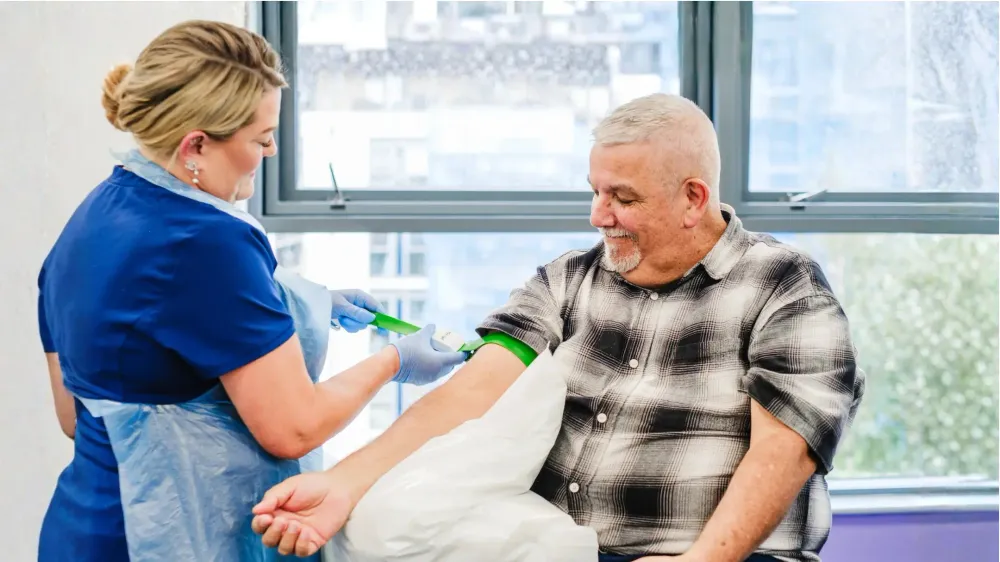
If you suspect low haemoglobin, a simple blood test can provide a clear answer.
Bluecrest Wellness offers a Blood Health Test, which measures haemoglobin and other key markers to give you a detailed view of your blood health. This test can also be added to any Full Body Health MOT, giving you a complete picture of your wellbeing.
Testing is particularly useful if:
-
You feel tired or weak for no clear reason
-
You have risk factors for anaemia
-
You want to track your levels over time
-
You are planning lifestyle changes or supplements
A health check can help pinpoint whether your levels are within a healthy range and guide any next steps.
Supplements and medical support
In some cases, diet alone may not be enough to restore healthy haemoglobin. Iron supplements, B12 injections, or other medical interventions may be needed.
It is important to speak to a healthcare professional before starting any supplements, especially if you are taking other medications or have underlying conditions. Your doctor can advise on safe doses and the right form for your needs.
Monitoring and follow-up
Keeping track of your haemoglobin levels over time is important. Regular testing, particularly for people with risk factors, can help detect changes early and guide adjustments to diet, lifestyle, or treatment.
A Full Body Health MOT from Bluecrest Wellness not only checks blood health but also gives insights into your heart, metabolism, and other systems. You receive a detailed results report with clear next steps and access to a GP helpline for 12 months.
Adding the Blood Health Test to your MOT is a simple way to get targeted insights into your haemoglobin and overall blood health.
Understanding your blood health is the first step toward feeling more energetic and supporting your long-term health.
Need help? Call free on 0800 652 2183 to speak to one of our team.
Anna Jones
Chief Nursing Officer, BluecrestGraham Jones
Medical Writer