Statutory sick pay changes: The turning point for preventative health strategies
New changes to statutory sick pay (SSP) is changing how organisations manage absence, productivity, and workforce health and wellbeing.
While the initial focus is on compliance and cost, these changes present a valuable opportunity for a proactive, preventative approach to employee health.
What has changed and how will it impact employees?
With around 1.3 million low-paid employees previously receiving no statutory sick pay at all, and many more losing income during short absences, these changes create a far more supportive system for employees.
The key changes to statutory sick pay are:
Payment from day 1
Before April 6th, SSP kicked in from day 4 of sickness absence, with days 1-3 being unpaid. This meant short illnesses, such as a stomach bug or a bad back, cost employees money and created financial pressure. This often led to employees to come to work when they were ill.
SSP is now payable from the first day of sickness and the 3-day waiting period has been removed. Now, even a single day off sick triggers SSP and this will need to be recorded by employers.
Removal of the Lower Earnings Limit
Before April 6th, employees had to earn at least £125 per week to qualify for statutory sick pay. Employees earning below that threshold, such as part-time workers or those on zero-hours contracts, got nothing.
The government recognised that ‘no one should be forced to choose between their health and financial hardship’ so now, SSP is available to all eligible employees regardless of their earnings, meaning many workers will qualify for the first time.
Calculation linked to earnings
The SSP flat rate has been increased from £118.75 to £123.25 per week, a rise of £4.50.
For employees who are now eligible to SSP due to the removal of the Lower Earnings Limit, a new rule applies. Rather than paying a flat rate, SSP is now paid at £123.25 or 80% of the employee’s Average Weekly Earnings (AWE), whichever is lower.
AWE is calculated over the eight weeks before the first day of absence. The 80% rule exists to ensure that SSP doesn’t exceed what a lower earner would normally take home.
Linking SSP to earnings for lower rate earners, as opposed to the flat rate, gives employees a clearer, more predictable picture of what they'll receive in the event of extended sickness.
What does this mean for employers?
As an employer, the main impact from these changes will be ensuring your policies and systems are updated, and that these are communicated with your workforce.
While these changes will impact costs and processes, by the government estimates these costs will equate to roughly £15 more per employee, making the impact manageable for most organisations.
Employers who go further than just the legal minimum and adopt a well-rounded approach to sickness absence will likely see wider benefits such as:
-
Productivity impact: Employees who feel supported when they’re unwell are more likely to recover properly and return to full productivity sooner, rather than forcing themselves back to work before they’re ready.
-
Increased trust: Clear and fair absence policies build trust with your workforce, which is key when it comes to employee retention.
From reactive to proactive
With increased pressure on employers to manage sickness absence effectively, there’s a growing understanding that a reactive approach to employee sickness, is no longer ideal.
With this in mind, many organisations are coming to the realisation that prevention is necessary to strengthen their health and wellbeing strategies. This ensures they are better equipped to identify and address health risks early.
The SSP changes highlight a simple truth that the earlier health issues are identified, the easier they are to manage – and the lower the impact on absence and productivity.
The role of health assessments
Preventative health measures such as employee health assessments, allow employers to:
-
Identify emerging health risks in their workforce
-
Support employees in making positive lifestyle choices
-
Encourage earlier intervention and access to appropriate care
-
Build a supportive culture when it comes to health and wellbeing
-
Empower employees with greater health awareness
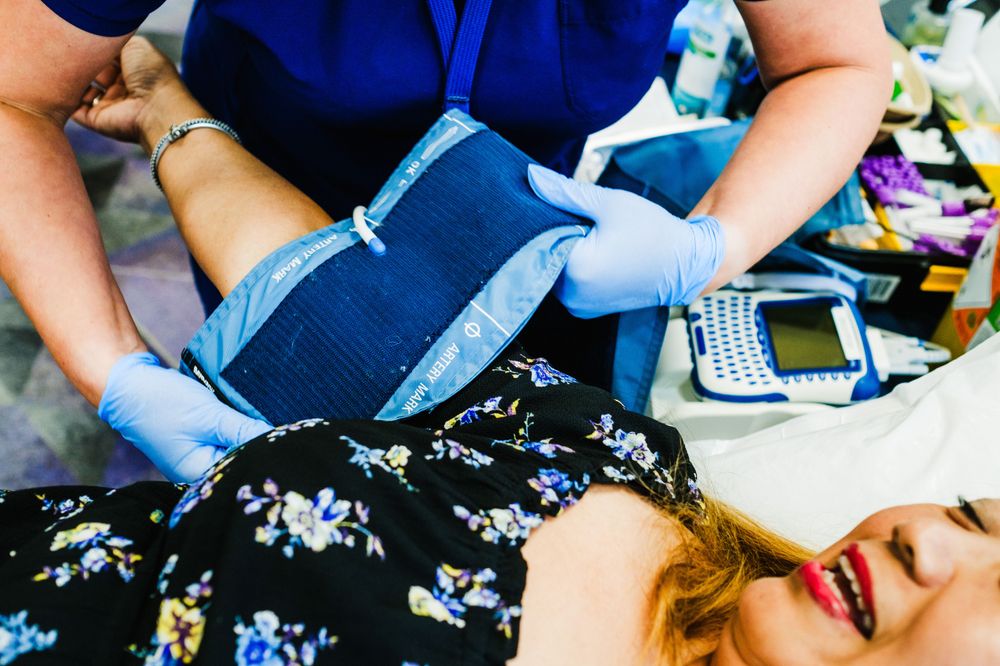
Health assessments are a measurable way to put preventative health into action, providing employees with in-depth health insights that enables them to act before issues escalate into conditions that may require extended time off work.
Health assessments also provide organisations with anonymised health data that can highlight common risk factors in the workforce, allowing you to shape health and wellbeing strategies to target the issues that are actually impacting your workforce.
Reach out to one of the Bluecrest team today to discuss how we can support you.