How to track your health for better wellbeing
Tracking your health is one of the most effective ways to take control of your wellbeing. By monitoring key health metrics regularly, you can spot potential issues early, make informed lifestyle changes, and track improvements over time. With tools like wearable devices and comprehensive health assessments from Bluecrest Wellness, understanding your health has never been easier.
In this guide, we explain how to track your health effectively, which metrics matter most, and how Bluecrest Wellness can support your journey.
Why tracking your health matters
Keeping an eye on your health helps you identify trends and take action before problems develop. Regular tracking enables you to:
-
Spot potential health concerns early
-
Measure your progress against personal health goals
-
Make informed lifestyle and treatment decisions
-
Monitor the impact of diet, exercise, and medications
Whether you are generally healthy or managing a condition, tracking your health empowers you to make data-driven choices.
Key health metrics to monitor
When learning how to track health, it helps to focus on a few core metrics. These offer insight into your cardiovascular, metabolic and overall wellbeing:
Blood pressure
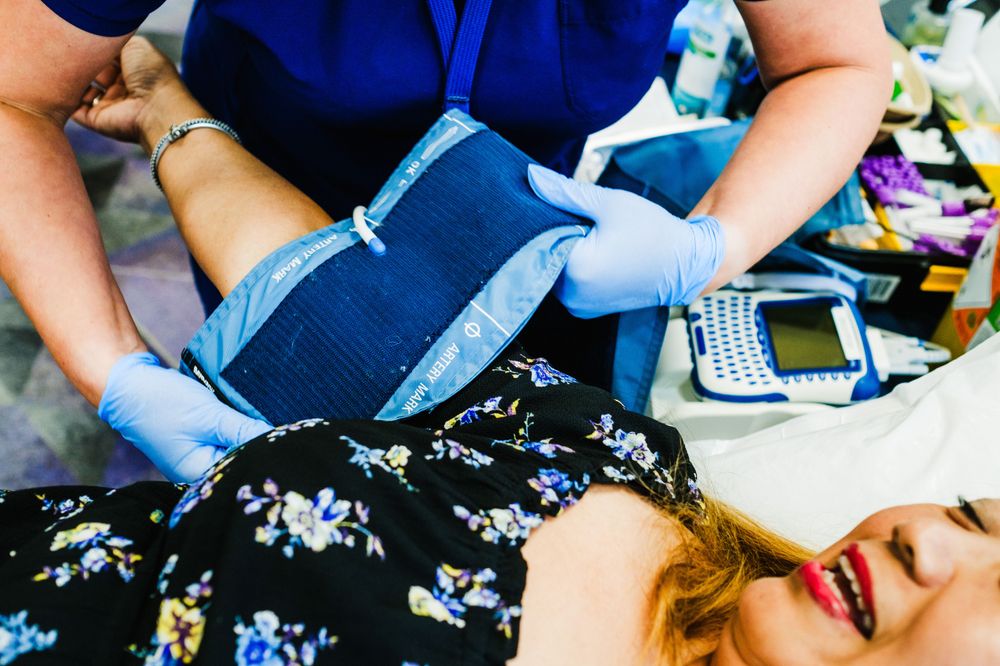
Regular blood pressure checks help detect hypertension early. High blood pressure, often called a ‘silent killer,’ can increase the risk of heart attacks, strokes, and other complications. Monitoring your blood pressure can also track how lifestyle changes or treatments are affecting your readings.
Body composition
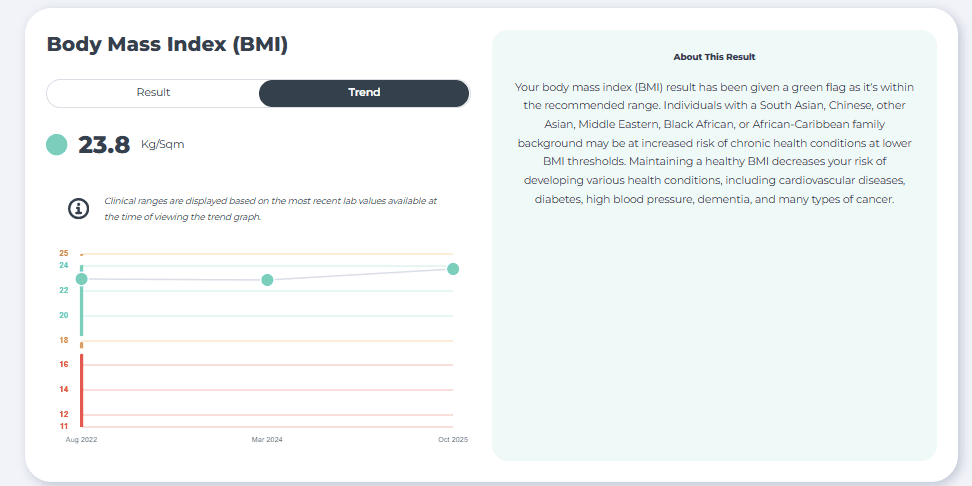
Beyond weight, body composition tracks fat, muscle, and bone proportions. Understanding your body composition can highlight risks for conditions like heart disease and diabetes, and help you set and monitor fitness goals.
Blood glucose
Blood sugar levels indicate how efficiently your body metabolises glucose. Tracking this metric can identify patterns, show how diet and exercise impact your levels, and help prevent pre-diabetes or type 2 diabetes.
Heart rate and rhythm
Monitoring your resting heart rate and rhythm can show your cardiovascular fitness and detect irregularities. A normal resting heart rate ranges from 60 to 100 bpm, while consistently elevated rates may signal cardiovascular issues.
Cholesterol
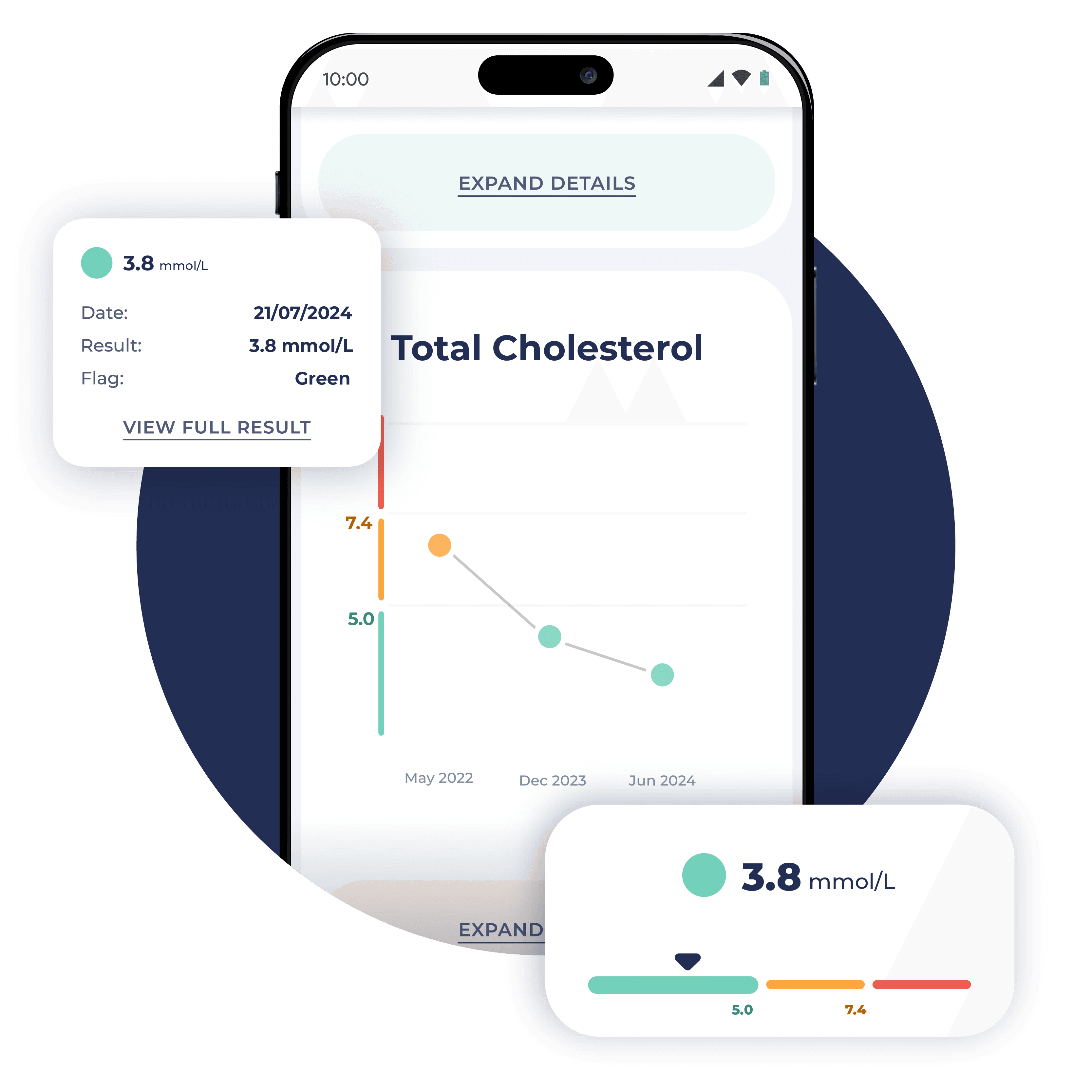
Tracking cholesterol, particularly Non-HDL cholesterol, helps prevent atherosclerosis and reduces the risk of heart attacks and strokes. Understanding your cholesterol profile can guide diet, exercise, or medication choices.
These metrics form the foundation of effective health tracking, offering a clear picture of your overall wellbeing.
How to track your health effectively
Tracking your health combines lifestyle monitoring with clinical assessments.
-
Wearable devices: Smartwatches and fitness trackers measure heart rate, activity levels, sleep patterns, and calories burned. These insights can help you spot trends and adjust your routines.
-
Regular check-ups: Clinical assessments, including blood pressure readings, blood tests, and ECGs, provide accurate and comprehensive data on your health.
-
Lifestyle logging: Note diet, exercise, sleep, and symptoms. Over time, this helps identify what influences your health positively or negatively.
The combination of personal monitoring and professional testing gives the clearest understanding of your health.
FAQs
How often should I track my health?
If you are healthy, annual health checks are a good starting point. Those with chronic conditions may benefit from more frequent monitoring. Wearables and lifestyle logging can provide ongoing insights.
What is the best way to track multiple health metrics?
Combining wearable data, clinical tests, and lifestyle logs offers the most complete picture. The Bluecrest Wellness App can consolidate data and show trends over time.
Can tracking my health help prevent illness?
Yes. Regular monitoring can highlight risk factors early, helping you take preventative steps and make informed lifestyle choices.
Are Bluecrest health checks suitable for everyone?
Yes. We offer health assessments for all adults, regardless of fitness or medical history, providing personalised insights tailored to your needs.
How Bluecrest Wellness supports health tracking
At Bluecrest Wellness, we make it easy to track your health with private, in-depth full body health checks. Our full body health assessment gives you detailed insights into key health metrics, including cholesterol, blood pressure, blood sugar, and more. Alongside your personalised Results Report and 24/7 GP helpline access for a year, you can use the My Wellness App to track your results over time.
The app provides:
-
Instant access to results – no waiting around, your health insights are just a click away
-
Easy monitoring of trends – see how your key metrics change over time to make informed decisions
-
Clear visual flags – green, amber, red indicators show where attention is needed
-
Guidance and advice – recommendations if any results are outside the healthy range
-
Account management – update personal info and manage your profile effortlessly
So, the My Wellness App gives a complete picture of your health and lifestyle patterns, helping you optimise wellbeing, identify early changes, and track improvements efficiently.
Take control of your health today by booking a full body health assessment and start tracking your journey today.
Want to find out insights about your health? Book your health assessment today!
To book your health assessment, click here
For Vitality customers, book here.
For Benenden customers, book here.
Need help? You can reach out to our corporate team on 0808 168 9219

Anna Jones
Chief Nursing Officer, Bluecrest
Graham Jones
Medical Writer