Why do I feel run down all the time?
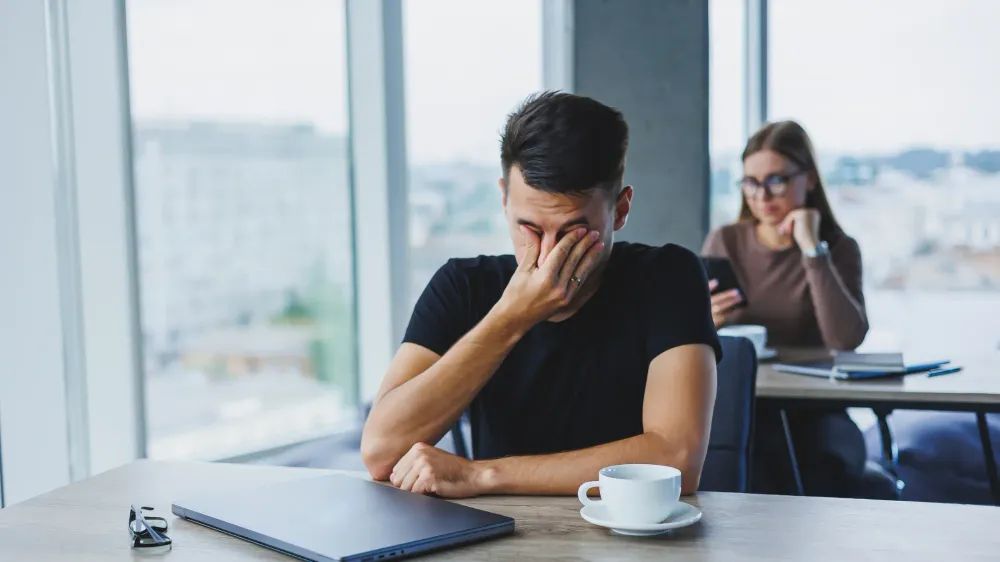
Feeling run down can be hard to describe. You might not feel unwell exactly, but you're not quite feeling like yourself either. Your sleep may be unsettled, your concentration isn't what it usually is, or you just don't seem to have the same energy for everyday life.
Sometimes there's an obvious reason. A busy period at work, family pressures, poor sleep or simply having too much on your plate can leave you feeling below par.
If it's been going on for a while, though, it can be useful to take a step back and look at what's changed. Your sleep, diet, stress levels, hormones and general health can all affect how you feel.
What does feeling run down actually mean?
"Run down" isn't a medical term. It's something we tend to say when we're feeling generally below our best.
You might notice that you're:
- Finding it harder to concentrate
- Feeling less motivated than usual
- Not sleeping as well
- More easily irritated or overwhelmed
- Picking up minor illnesses more often
- Taking longer to feel yourself after a busy period
- Experiencing changes in your appetite or digestion
- Finding everyday activities more of an effort
You don't necessarily need to tick several of these boxes. You may just have a sense that something has changed.
It's worth paying attention to that change, particularly if it continues rather than passing after a few days of rest.
Could your routine be leaving you feeling run down?
Sometimes the explanation is closer to home than you think.
Busy schedules can make it easy to skip proper meals, exercise less, stay up later than usual or rely on caffeine to get through the day. One or two of these changes may not make much difference, but they can add up over time.
Think about what's been different recently. Are you getting enough time to switch off? Have your usual routines slipped? Are you spending most of the day sitting down? Have you been working longer hours or taking on more responsibilities?
You don't have to change everything at once. Getting back to regular meals, movement, sleep and time to unwind can be a good place to start.
Is your sleep helping you recover?
It's possible to spend plenty of time in bed without getting the restful sleep your body needs.
Waking frequently, going to bed at different times, stress and drinking caffeine or alcohol late in the day can all affect sleep quality. So can changes that come with age, including hormonal changes during the perimenopause and menopause.
If you regularly wake feeling as though you've barely rested, look at the quality of your sleep as well as how many hours you're getting.
The NHS recommends keeping regular sleeping hours and developing a relaxing bedtime routine. Small changes can sometimes make a surprisingly noticeable difference.
Could stress be affecting how you feel?
Stress doesn't always feel like being stressed.
Sometimes it shows up as being unable to switch off, feeling more irritable, struggling to concentrate or simply feeling like you're running on empty.
Work, finances, caring responsibilities, relationships and major changes in your life can all take up mental and physical energy. Even positive changes, such as moving house or starting a new job, can leave you feeling stretched.
If you've been feeling run down during a particularly demanding period, giving yourself proper time to recover matters. Regular movement, time outside, seeing friends and having periods when you're not expected to be productive can all help.
Are you eating and drinking well?
Your diet can have a big influence on how you feel day to day.
Skipping meals, relying heavily on processed foods or following a restrictive diet can make it harder to get a good balance of nutrients. Not drinking enough water can leave you feeling sluggish and affect concentration too.
Iron is one nutrient worth considering, particularly for women. Bluecrest data found iron deficiency in 4.7% of women tested compared with 0.6% of men, making it around seven times more common in women in this customer data.
That doesn't mean low iron is behind every case of feeling run down. It does show why looking at your overall health can sometimes reveal something you hadn't considered.
Could hormones be playing a part?
Hormones influence a surprisingly wide range of things, including sleep, mood, appetite and how you feel physically.
For women, the hormonal changes that happen during the perimenopause and menopause can affect sleep, mood, concentration and general wellbeing. For men, changes in testosterone can sometimes be associated with changes in mood, motivation and physical wellbeing.
Thyroid hormones can also affect how you feel. Changes in thyroid function may be accompanied by things such as changes in weight, feeling unusually cold or warm, changes in mood or alterations in your usual energy levels.
There can be lots of reasons for these changes, so it's useful to consider them as part of the wider picture rather than trying to identify one cause from a symptom alone.
What about your general health?
Sometimes feeling run down is simply a sign that you've had a lot going on. At other times, it can prompt you to take a closer look at your general health.
Some common health issues can develop without making you feel obviously unwell at first. High blood pressure and high cholesterol, for example, often have no noticeable symptoms. Changes in blood sugar can also happen gradually.
This is where routine health checks can be useful. They give you information about parts of your health that you can't necessarily judge by how you feel.
When should you do something about feeling run down?
You don't need to worry every time you have an off week.
If you've been travelling, working long hours, looking after family or simply not sleeping well, it's understandable to feel below par for a while. Giving yourself some time to recover may be all you need.
If you continue to feel unlike yourself and can't see an obvious reason, it may be worth taking a closer look. You could start by thinking about your sleep, diet, stress and daily routine. If you're concerned or you've noticed other changes in your health, a GP can help you work out whether anything needs further attention.
A few simple ways to feel more like yourself
If you're feeling run down, you don't necessarily need a dramatic lifestyle overhaul. Start with the basics:
- Get back into a regular sleep routine
- Eat regular, balanced meals
- Drink enough water
- Build some movement into your day
- Take proper breaks from work and responsibilities
- Make time for things you enjoy
- Keep an eye on how much caffeine and alcohol you're having
- Give yourself time to recover when you're unwell or particularly busy
And give changes some time. Feeling better isn't always an overnight process.
If you're still not feeling yourself, that's useful information too. It may be time to look a little more closely at what's going on.
Can a health check help if I feel run down?
A health assessment can't tell you exactly why you feel run down, but it can give you useful information about your general health.
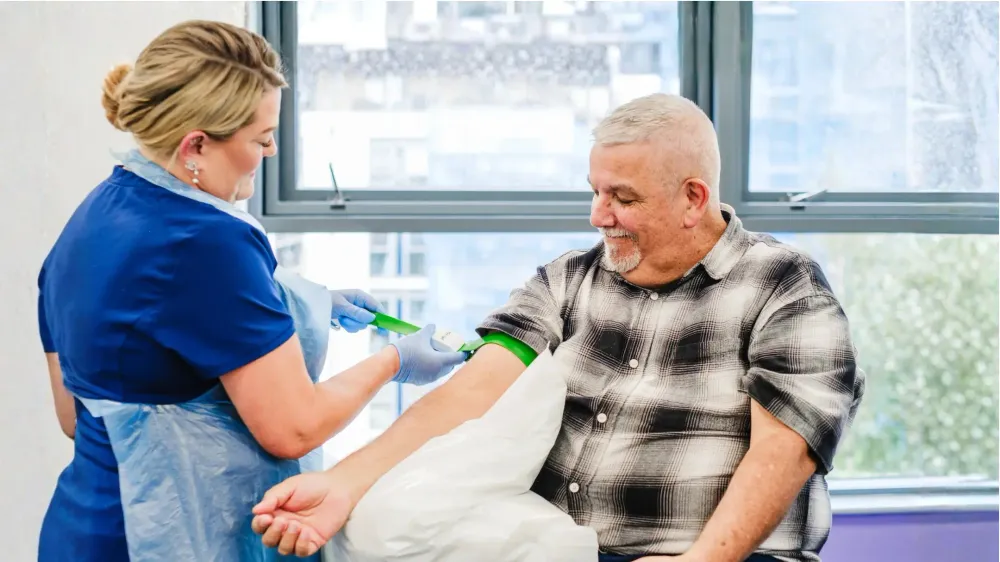
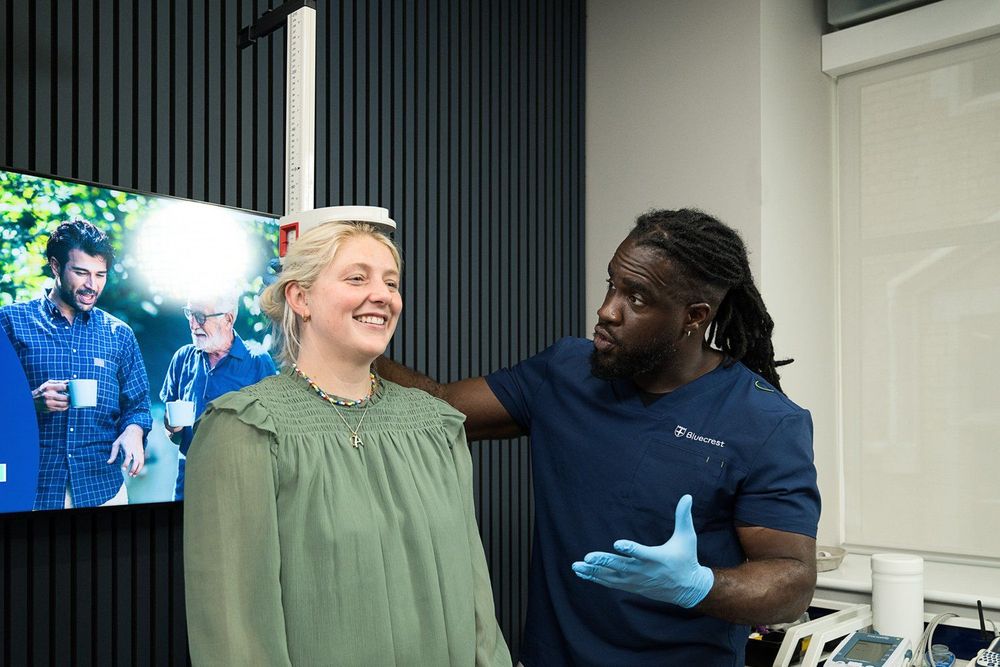
A Bluecrest Health Assessment brings several checks together in one appointment. Depending on the assessment you choose, this can include blood pressure, BMI and waist circumference, alongside blood tests covering areas such as cholesterol, blood sugar, liver function, kidney function and iron.
Bluecrest has delivered more than 1.3 million Health Assessments, generating 19.9 million blood results and 2.7 million physical results.
Your results are presented using clear green, amber and red flags, so you can see which areas are within the expected range and which may be worth paying attention to.
You don't need to wait until something feels seriously wrong to take an interest in your health.
Anna Jones
Chief Nursing Officer, BluecrestGraham Jones
Medical Writer