Choosing between health assessments and health insurance for employees
When building an employee health benefits package, employers have more options than ever before. From private medical insurance to workplace health assessments, different benefits can support employees in different ways.
While health insurance and health assessments are sometimes viewed as competing options, they actually serve different purposes.
Health insurance helps employees access medical care and treatment when they need it. Health assessments take a preventative approach, helping employees understand their health, identify areas that may need attention and make informed choices about their wellbeing.
For employers, the right approach is about understanding what their workforce needs and choosing benefits that provide meaningful support.
Why are employers investing more in employee health benefits?
Health and wellbeing is becoming a more strategic priority for organisations. Employees increasingly expect their employers to support their health, while businesses are recognising the value of creating healthier, more resilient teams.
Aon’s UK Benefits and Trends Survey found that 41% of employers have a formalised health and wellbeing strategy in place, with a further 31% planning to implement one. The research highlights the growing focus on structured approaches to supporting workforce health.
However, offering employee benefits is only effective when organisations understand what they want those benefits to achieve. Research from CIPD found that 22% of UK employers have no clear objectives for their employee benefits package, making it more difficult to understand whether those benefits are delivering value for employees and organisations.
This means employers need to look beyond simply offering benefits and consider how each one supports their wider health and wellbeing strategy.
What does health insurance provide?
Private medical insurance is designed to help employees access healthcare when they need it. Depending on the policy, this may include consultations, diagnostic services, specialist appointments and treatment.
For employees, health insurance can provide reassurance that support is available if they become unwell or require medical care.
For employers, offering health insurance can be a valuable part of an employee benefits package. It can demonstrate a commitment to supporting employees and provide access to healthcare services when they are needed.
However, health insurance is primarily focused on diagnosis and treatment. It does not necessarily provide employees with a detailed understanding of their current health or highlight areas where they could make positive changes before concerns develop.
What do health assessments provide?
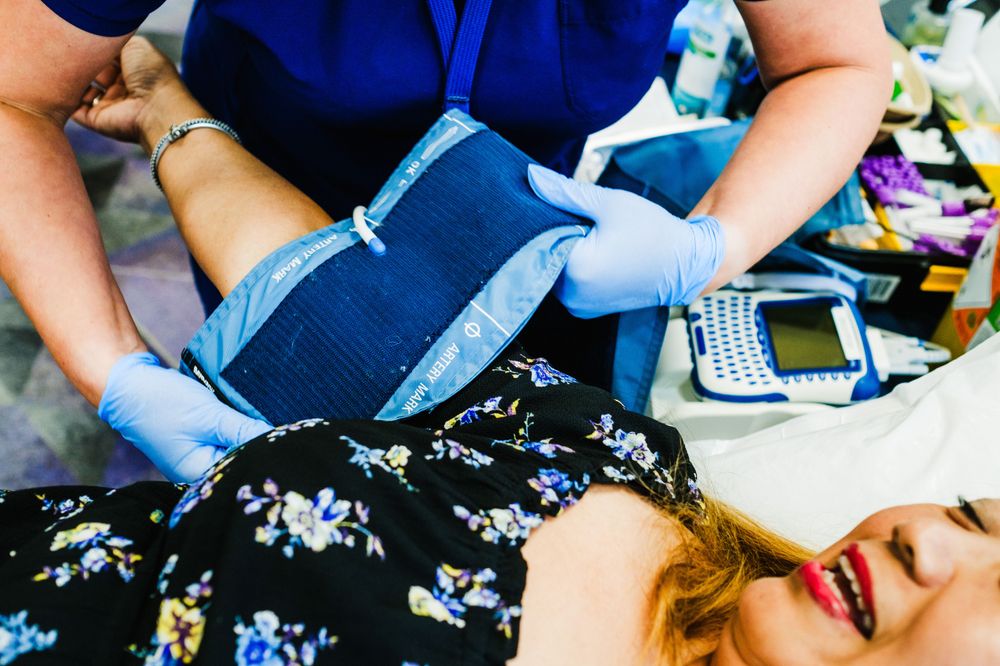
Health assessments help employees gain a clearer understanding of their health through clinically backed testing and personalised insights.
Rather than waiting until a concern becomes more serious, health assessments provide information that can help employees understand what is happening inside their bodies and make informed decisions about their wellbeing.
This could include insights into areas such as heart health, cholesterol, blood pressure and other important health indicators.
For employees, this knowledge can provide confidence and reassurance. It can also highlight areas where lifestyle changes or further support may be beneficial.
For employers, aggregated organisational health insights can provide a clearer picture of workforce health trends. This can help businesses understand where support may be needed and shape more informed wellbeing strategies.
Health assessments vs health insurance: what is the difference?
Both health assessments and health insurance can play an important role in supporting employee health, but they address different needs.
| Health assessments | Health insurance | |
|---|---|---|
| Main purpose | Helping employees understand their health | Providing access to healthcare and treatment |
| Approach | Preventative and proactive | Reactive when medical support is needed |
| Focus | Health insights, awareness and informed choices | Diagnosis, treatment and recovery |
| Employee benefit | Greater understanding of personal health | Reassurance that care is available |
| Employer benefit | Workforce health insights and proactive support | A valuable employee benefit offering healthcare access |
The most effective workplace health strategies often include a combination of support. Health assessments can help employees understand their health and take action, while health insurance provides reassurance that treatment is available if it is needed.
Choosing the right employee health benefits
There is no single approach that works for every organisation. The right combination of benefits will depend on factors such as workforce needs, business priorities and available resources.
When reviewing health benefits, employers should consider:
What are we trying to achieve?
Benefits should have a clear purpose, whether that is supporting prevention, improving access to care or helping employees feel more supported.
Will employees use it?
Accessibility is essential. Benefits should be easy to understand and simple for employees to access.
Does it provide meaningful value?
The best benefits provide employees with support they can use, while helping organisations understand and respond to workforce needs.
Supporting healthier, more informed teams
Health insurance and health assessments both have an important role to play in employee wellbeing. One provides access to treatment when it is needed, while the other helps people understand their health and take a more proactive approach.
By combining access to care with health intelligence, organisations can create a more complete approach to supporting their people.
Workplace health assessments give employees the knowledge and confidence to make informed decisions about their wellbeing, helping create healthier, more supported teams.
To learn more about how Bluecrest Wellness can support your organisation, contact us today or download our brochure.
Dr Martin Thornton
Chief Medical Officer, BluecrestGraham Jones
Medical Writer