How Hot Weather Affects Your Health – and What to Watch For
ArticlesPrivate Health Assessments

How Hot Weather Affects Your Health – and What to Watch For

Last updated: 6 July 2026

When temperatures climb, your body works harder than you most people realise. Keeping a safe core temperature is a full-time job for your heart, lungs, and kidneys, and hot weather makes that job a lot tougher.

Your heart pumps faster to push blood towards your skin, where heat can escape, and you sweat more, losing fluid and essential salts.

Most healthy people won't notice this extra effort, but it still puts extra strain on the body – and for some, it can become genuinely dangerous.

Here’s what you need to keep in mind.

Who needs to take extra care in the heat?

Hot weather doesn't affect everyone equally. It's worth taking a moment to think about whether you, or someone you care about, falls into one of these groups:

  • Over 65s – the body's ability to regulate temperature naturally declines with age, and older adults often feel thirst less strongly, so dehydration can creep up unnoticed.
  • People with heart conditions – the heart is already working harder in the heat, so anyone with high blood pressure, angina, or heart failure is under extra strain.
  • People with kidney problems – fluid loss concentrates the blood and forces the kidneys to work harder than usual, which can worsen existing kidney issues or trigger new ones.
  • People with diabetes – heat can affect blood sugar control and increase the risk of dehydration.
  • People on certain medications – diuretics ("water tablets"), some blood pressure medicines, and certain mental health medications can all affect how the body handles heat and fluids.
  • Young children and babies – small bodies heat up faster and can't always tell you how they're feeling.
  • Anyone working or exercising outdoors – even the fit and healthy can sometimes underestimate the effects of the heat.
  • Pregnant women - Increased risk of preterm birth and dehydration; heat regulation is impaired in pregnancy
  • People with respiratory conditions (asthma, COPD) - Heat exacerbates airway inflammation; also relevant in UK context alongside air quality deterioration during heatwaves

Symptoms to know, and numbers worth checking

Dehydration is usually the first sign of trouble: thirst, a dry mouth, dark yellow urine, headaches, dizziness, and fatigue.

By the time you feel thirsty, you're already mildly dehydrated, so try to sip water regularly throughout the day rather than waiting until you're thirsty.

Heat exhaustion brings heavy sweating, clammy or pale skin, cramps, nausea, a rapid pulse, and faintness. If this happens, make sure to move somewhere cool, lie down, drink water, and try to cool your skin with damp clothing or a fan. Most people recover within 30 minutes.

Heatstroke is a medical emergency. Symptoms include a very high temperature, hot dry skin, confusion, slurred speech, or loss of consciousness. Make sure you call 999 immediately.

Beyond these immediate warning signs, hot weather is also a good moment to check in on the numbers behind your health:

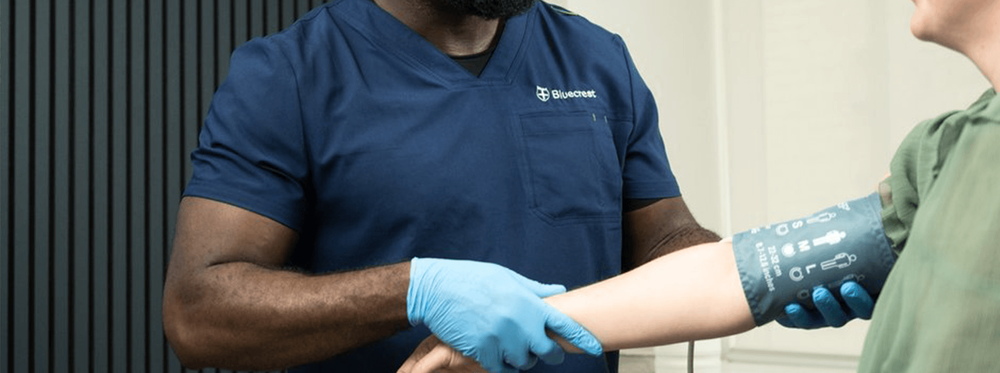
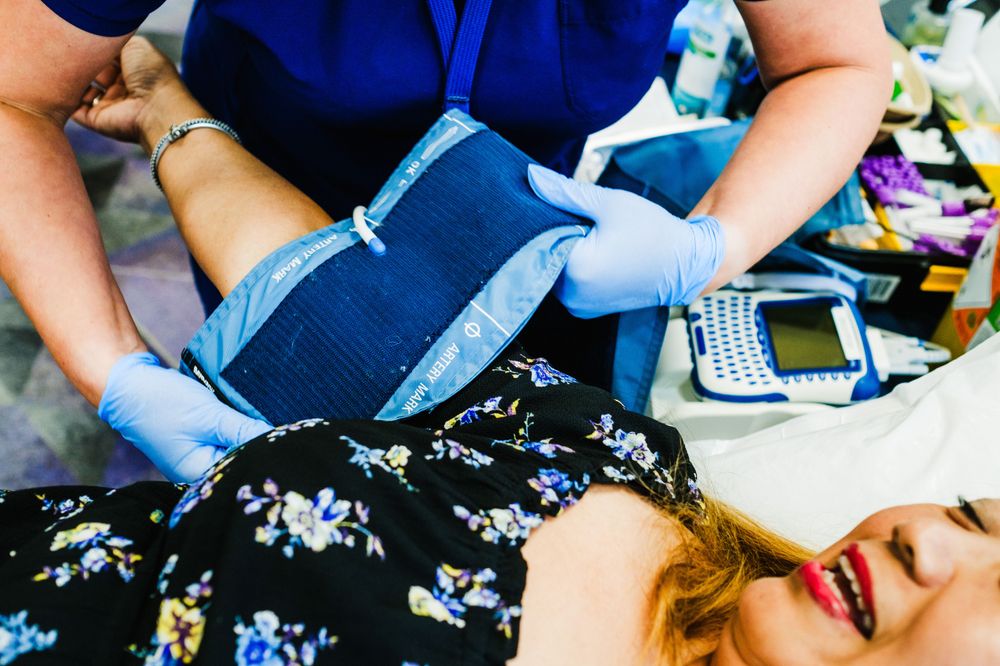
  • Blood pressure – heat causes blood vessels to widen, which can drop blood pressure and cause dizziness or falls, particularly if you're on medication. If you monitor at home, keep a closer eye on your readings during a heatwave.
  • Kidney function – repeated dehydration puts real stress on the kidneys. Markers such as creatinine and eGFR reveal how well they're coping, long before symptoms appear.
  • Heart rate and rhythm – a persistently racing or irregular pulse in hot weather shouldn't be ignored.
  • Blood sugar – if you're diabetic, check more frequently, as heat can send levels in either direction.

Why a heatwave is a good time for a health check

If you have a health assessment booked during a warm spell, it might be tempting to put it off – but it's actually one of the best times to get checked.

Many of the risks above are invisible day to day: raised blood pressure, declining kidney function, and early heart strain rarely announce themselves until they cause a problem.

A health assessment can help measure exactly these things, giving you a clear picture of how well your body is coping with the heat, and with everything else.

Knowing your numbers means you can spot potential issues early, make informed changes if needed and enjoy the summer with a little more peace of mind.

Small things that help

A few simple habits can make a real difference in the heat: staying out of the sun between 11am and 3pm, drinking water regularly, and going easy on alcohol and caffeine.

Loose, light-coloured clothing and a hat help too, and closing the curtains on sun-facing windows keeps your home cooler for longer.

It's also worth checking in on elderly neighbours, friends, and relatives, who may not always realise they're becoming dehydrated or overheating.

Hot weather can be a real joy, but it puts more demands on your body than you might think. So, make sure you know the warning signs and you’ll be able to enjoy the sunshine with confidence – instead of worry.

Want to find out insights about your health? Book your health assessment today!

To book your health assessment, click here

For Vitality customers, book here.

For Benenden customers, book here.

Need help? You can reach out to our corporate team on 0808 168 9219

AUTHOR

Dr Martin Thornton

Chief Medical Officer, Bluecrest

As the Chief Medical Officer at Bluecrest, Dr Thornton is dedicated to improving health outcomes through patient-centered prevention strategies and in identifying what can be measured and tracked to improve health. | LinkedIn
REVIEWED BY

Graham Jones

Medical Writer

As a Medical Writer for Bluecrest, Graham has a passion for science communication and is dedicated to making health information clear, accurate, and accessible, turning complex medical information into content that empowers people to take charge of their health and supports preventative care.
ARTICLE TAGS
SHARE THIS ARTICLE
Other Articles
    How On-Site Employee Health Assessments Work: A Simple Guide for HR Teams
    Private Health Assessments

    How On-Site Employee Health Assessments Work: A Simple Guide for HR Teams

    Learn how on-site employee health assessments work, from planning and booking to results and reporting, with minimal workplace disruption.

    READ ARTICLE
    Woman is sat at a desk and smiling at her computer screen
    Private Health Assessments

    How To Build a Personal Longevity Checklist

    A personal longevity checklist helps you stay proactive with your health, with daily habits and key checks to support healthy ageing and long-term wellbeing.

    READ ARTICLE
    Health Assessment Guide: What to Expect
    Private Health Assessments

    Health Assessment Guide: What to Expect

    This guide will hopefully provide you with some clarity on what you can expect from your health assessment as well as allowing you to come prepared.

    READ ARTICLE
    Convenience: Flexible health assessments for a healthier, happier workforce
    Private Health Assessments

    Convenience: Flexible health assessments for a healthier, happier workforce

    In today’s work environment, supporting employee wellbeing isn’t just a perk but rather a strategic advantage

    READ ARTICLE
    Empowering wellness: The role of health monitoring
    Private Health Assessments

    Empowering wellness: The role of health monitoring

    Health monitoring is one of the best ways to proactively manage your health and wellbeing. Learn how to take control of your health with Bluecrest Wellness.

    READ ARTICLE
    How do you get tested for bowel cancer?
    Private Health Assessments

    How do you get tested for bowel cancer?

    Discover how bowel cancer is detected through screening and how private cancer risk profile assessments can give you a fuller understanding of your health.

    READ ARTICLE
    Is a health assessment worth it?
    Private Health Assessments

    Is a health assessment worth it?

    In this guide, we'll delve into the concept of health assessments, explore their potential advantages and provide guidance on determining whether a health assessment is worth it for you.

    READ ARTICLE
    From insight to action: What to do after a health assessment
    Private Health Assessments

    From insight to action: What to do after a health assessment

    So, you’ve had your health assessment, what’s next? In this article we will talk through what happens after a Bluecrest health assessment and the importance of prevention.

    READ ARTICLE
    Cancer in the workplace – why early detection should be a corporate priority
    Private Health Assessments

    Cancer in the workplace – why early detection should be a corporate priority

    In today’s fast-paced corporate world, health is often viewed through the lens of productivity and performance. Yet, beneath the surface of quarterly targets and strategic planning lies a growing challenge that affects every business, regardless of size or sector: cancer.

    READ ARTICLE
    What are the benefits of preventative health services?
    Private Health Assessments

    What are the benefits of preventative health services?

    Preventative health services are designed to identify and prevent health conditions in the early stages, often before symptoms are present. As a result, they can include a wide range of measures, from regular health check-ups to immunisations and even education programmes.

    READ ARTICLE
    Health Monitoring: Take Control of Your Health
    Private Health Assessments

    Health Monitoring: Take Control of Your Health

    Health monitoring is one of the best ways to proactively manage your health and wellbeing. Learn how to take control of your health with Bluecrest Wellness.

    READ ARTICLE
    Age smarter, age stronger – embrace your health intelligence
    Private Health Assessments

    Age smarter, age stronger – embrace your health intelligence

    Over the next two months we will be focusing on the positive aspects of ageing and living a healthy life. As we age, maintaining our health and wellbeing becomes increasingly important, enabling us to life healthier for longer. We are awash with health information, but how do we know where we really stand as we get older?

    READ ARTICLE
    How can a health assessment help your employees to keep their health and fitness goals on track this New Year?
    Private Health Assessments

    How can a health assessment help your employees to keep their health and fitness goals on track this New Year?

    The New Year is a time when many of the employees in your workforce may be thinking of setting fresh new year resolutions. While these goals can vary widely, a significant number focus on improving health—whether it’s losing weight, getting fitter, or enhancing overall wellbeing.

    READ ARTICLE