How On-Site Employee Health Assessments Work: A Simple Guide for HR Teams
On-site employee health assessments bring workplace health checks directly to your employees, making it easier for them to access valuable health insights without travelling to a clinic.
For HR teams, the process is designed to be straightforward, with providers managing much of the planning, delivery and administration.
With minimal disruption to the working day, on-site assessment days can help increase participation while supporting wider wellbeing goals.
Below, we explain how on-site employee health assessments work and what HR teams can expect at every stage.
What are on-site employee health assessments?
On-site employee health assessments bring health checks directly to the workplace.
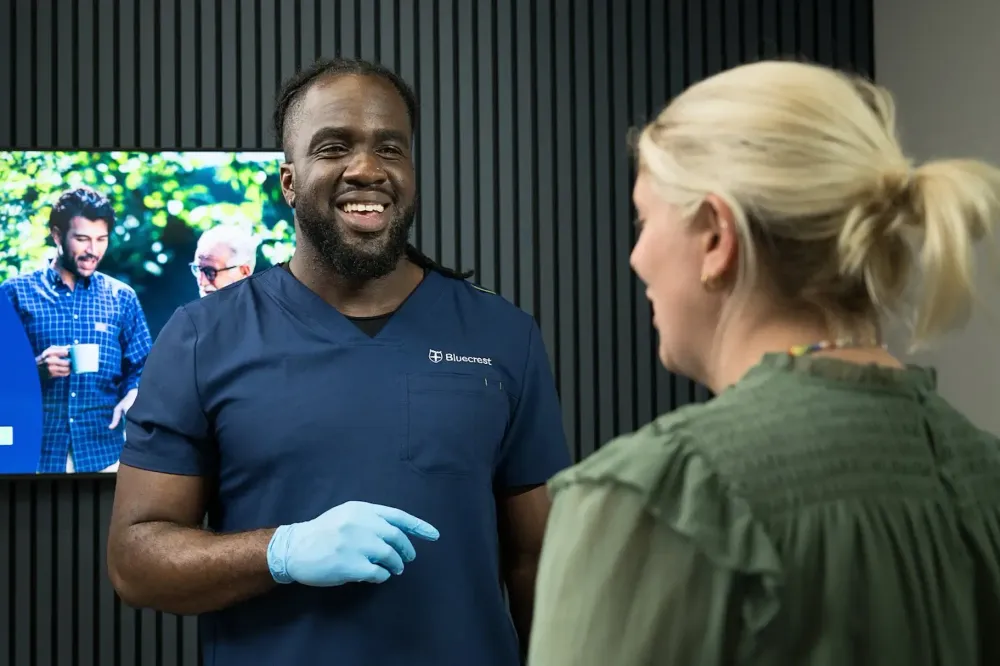
Rather than asking employees to travel to a clinic, qualified health professionals visit your workplace and carry out assessments in a designated area during the working day.
Employees attend individual appointments and receive a range of health checks designed to provide insight into their overall wellbeing.
Depending on the package selected, assessments may include:
- Heart disease and stroke risk assessments
- Cholesterol testing
- Diabetes risk indicators
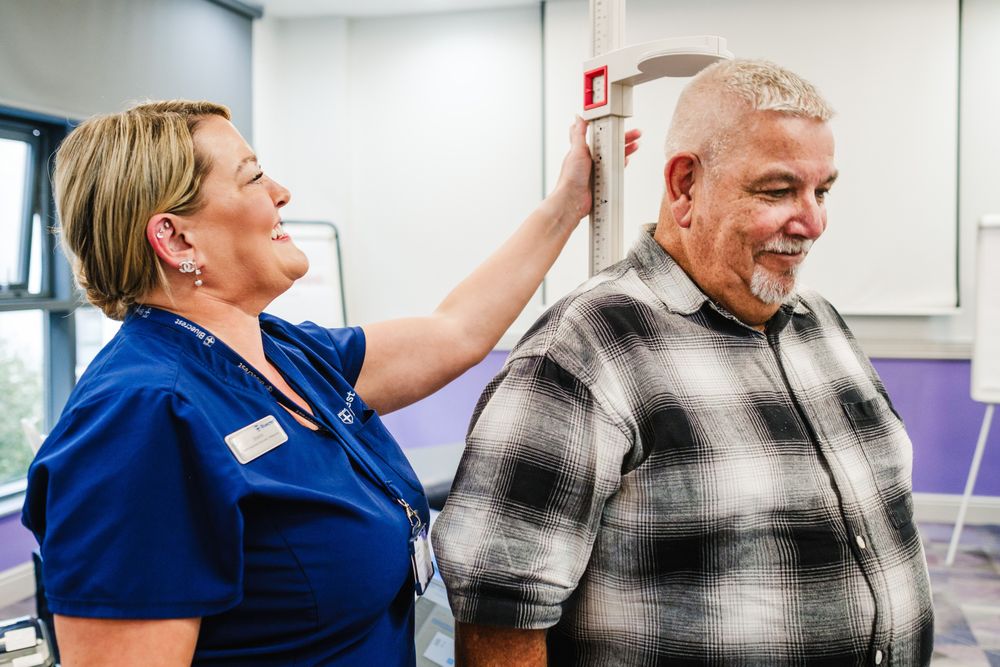
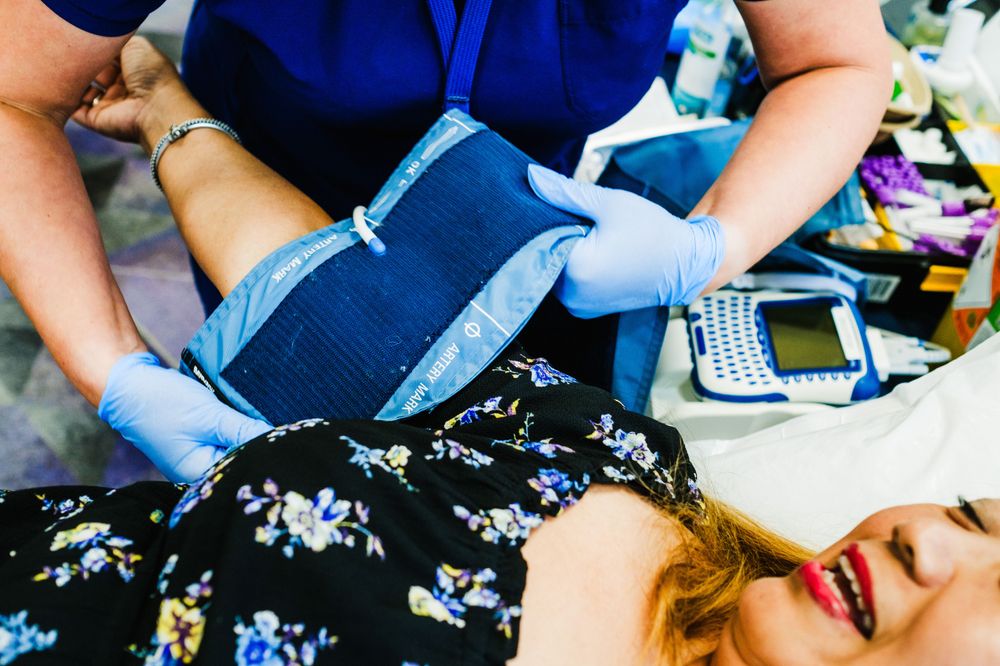
- Blood pressure measurements
- Liver and kidney function indicators
- Body composition analysis
- Mental wellbeing assessments
Employees receive personalised results and recommendations, helping them better understand their health and wellbeing.
Why do employers choose on-site health assessments?
Convenience is one of the main reasons organisations choose on-site health assessments.
Bringing assessments directly to the workplace makes participation easier for employees and can help increase engagement with wellbeing initiatives.
Benefits for employers include:
- Reduced disruption to employee schedules
- Improved participation rates
- Greater convenience for employees
- Enhanced employee wellbeing support
- A visible commitment to workforce health
For larger organisations, on-site delivery can be an efficient way to provide health assessments to multiple employees over a short period.
Step 1: Initial consultation and planning
The process usually begins with a consultation between the employer and the health assessment provider.
During this stage, key details are discussed, including:
- Number of employees
- Preferred assessment package
- Site location
- Proposed assessment dates
- Workplace facilities available
The provider will work with the organisation to determine the most suitable approach and create a schedule that minimises disruption to normal business operations.
HR teams typically have a dedicated point of contact throughout the planning process.
Step 2: Choosing a suitable space
On-site assessments require a private area where employees can attend appointments comfortably and confidentially.
In most workplaces, this may be:
- A meeting room
- A private office
- A training room
- A temporary wellbeing space
The exact requirements will vary depending on the assessment package being delivered.
Providers will usually advise on room size, privacy requirements and any practical considerations before the assessment day. At Bluecrest, we provide a venue suitability form for you to complete which will easily measure if your chosen room meets the criteria for on-site days.
Step 3: Communicating with employees
Clear communication plays an important role in the success of any workplace wellbeing initiative.
Before the assessment day, employees should receive information explaining:
- What the assessment involves
- How appointments will be booked
- What health checks are included
- How results will be provided
- How personal information is protected
Providing employees with clear information helps encourage participation and ensures they feel comfortable about taking part.
Many providers supply communication materials that HR teams can share internally to support employee engagement.
Step 4: Booking appointments
Employees are usually allocated individual appointment slots throughout the assessment day.
This approach helps ensure:
- Minimal waiting times
- Efficient use of time
- Limited disruption to work schedules
- A smooth experience for employees
Depending on the provider, booking may be managed through an online system or coordinated directly with the employer.
Appointments are typically scheduled throughout the day to allow employees to attend around their work commitments.
Step 5: Assessment day
On the day of the assessments, qualified health professionals arrive on site with the necessary equipment and materials.
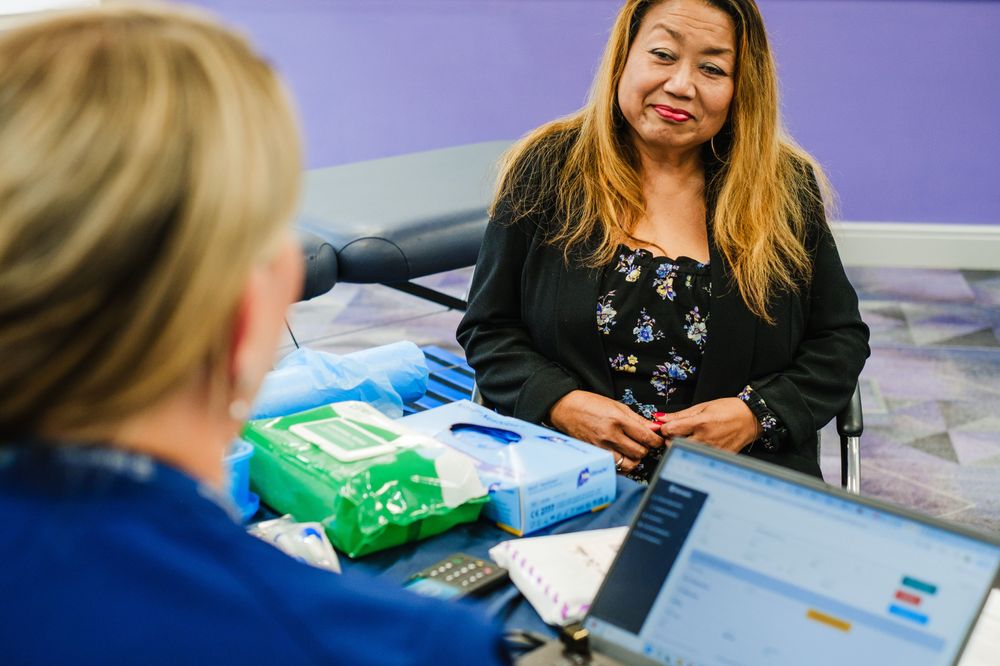
Employees attend their appointments individually and complete the relevant health checks included within their chosen package.
The process is designed to be straightforward and efficient, allowing employees to return to work promptly after their appointment.
Many employees appreciate the convenience of being able to access health checks without needing to arrange separate appointments outside of work.
Step 6: Personalised results and recommendations
Following their assessment, employees receive personalised health information and recommendations based on their results.
This may include insights relating to:
- Heart health
- Cholesterol levels
- Diabetes risk
- Body composition
- Lifestyle factors
- Mental wellbeing
The purpose of these results is to help employees better understand their health and identify opportunities to support their wellbeing.
Employees can then choose whether to discuss any findings with their GP or healthcare professional if appropriate.
Step 7: Employer reporting
Many workplace health assessment providers also offer anonymised reporting for employers.
These reports provide an overview of workforce health trends without identifying individual employees.
This information can help organisations better understand common health challenges across their workforce and inform future wellbeing initiatives.
Examples of workforce insights may include:
- Cardiovascular health trends
- Mental wellbeing indicators
- Lifestyle-related risk factors
- Participation rates
These insights can be valuable when developing longer-term wellbeing strategies.
Will on-site health assessments disrupt the working day?
One of the most common concerns for HR teams is the potential impact on productivity.
In practice, on-site health assessments are designed to minimise disruption.
Employees attend pre-booked appointments throughout the day, allowing organisations to maintain normal operations while providing access to valuable wellbeing support.
The convenience of on-site delivery often means employees spend less time away from work than they would if travelling to external appointments.
How many employees are needed for on-site assessments?
Requirements vary depending on the provider.
At Bluecrest Wellness, on-site assessment days are available for organisations with more than 10 employees, making it a practical option for businesses looking to provide convenient health screening at their workplace.
For organisations with employees based across multiple locations, clinic-based appointments may also be available through a nationwide network.
Why HR teams are choosing on-site health assessments
As employee wellbeing continues to move up the business agenda, HR teams are looking for practical ways to support their workforce.
On-site health assessments provide a convenient solution that benefits both employees and employers. They help employees gain valuable health insights while allowing organisations to demonstrate a meaningful commitment to wellbeing.
With straightforward planning, minimal disruption and flexible delivery options, on-site assessments can become a valuable part of a wider employee wellbeing strategy.
Supporting employee wellbeing with Bluecrest Wellness
Bluecrest Wellness makes workplace health assessments simple and accessible through flexible on-site assessment days and the UK's largest health assessment network.
Our experienced team works closely with HR departments to manage every stage of the process, helping organisations deliver valuable wellbeing support with minimal disruption to business operations.
To learn more about how Bluecrest Wellness can support your organisation, contact us today or download our brochure.

Mike Boyle
Head of HR
Graham Jones
Medical Writer