How To Build a Personal Longevity Checklist
Most of us want to live long, healthy lives. We know the basics like eating well, staying active and getting enough sleep, but turning that into a consistent plan isn’t always easy. That’s where a personal longevity checklist can be really useful.
A checklist gives you a clear, practical way to keep track of the habits, health checks and lifestyle tweaks that support healthy ageing. It’s less about quick fixes and more about steady, proactive steps that protect your wellbeing now and in the years ahead.
Here’s how to start building your own.
Why have a longevity checklist?
Life gets busy. Work, family and day-to-day commitments often take priority over our own health. A personal checklist helps you stay accountable, reminding you to focus on the small but important things that add up over time.
Think of it as a roadmap. It gives you:
-
Focus – a simple list of things that matter most for long-term health
-
Structure – a way to turn good intentions into consistent habits
-
Motivation – a tick-box system that shows your progress
-
Confidence – reassurance that you’re doing the right things for your body
What should be on your checklist?
A good longevity checklist balances everyday lifestyle choices with regular health check-ins. Both matter as what you do daily shapes how you feel, but so does spotting early signs that something might need attention.
Here are some areas to include:
1. Nutrition that supports long-term health
Food is one of the most powerful tools for healthy ageing. Your checklist might include:
-
Eating at least five portions of fruit and vegetables a day
-
Prioritising wholegrains, lean proteins and healthy fats
-
Keeping processed foods and added sugar to a minimum
-
Staying hydrated – aiming for 6–8 glasses of water daily
-
Checking in on vitamin and mineral intake, especially Vitamin D, B12 and iron
Remember, you don’t need perfection. Small, consistent choices, like swapping crisps for nuts or adding an extra portion of veg, make a difference over time.
2. Movement and activity
Our bodies are designed to move, and activity is closely linked to longevity. On your checklist:
-
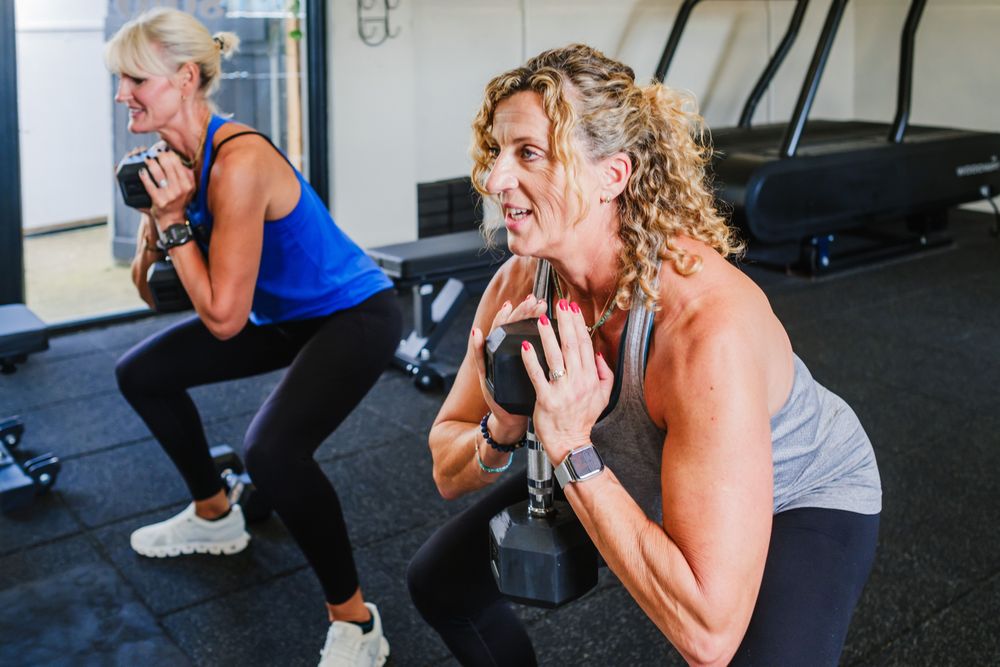
Aim for at least 150 minutes of moderate activity each week (like brisk walking or cycling)
-
Include muscle-strengthening activities twice a week
-
Break up long periods of sitting with short movement breaks
-
Add flexibility or balance exercises, such as yoga or stretching
Regular movement doesn’t just support heart and bone health, it also helps mood, sleep and energy which are all key to healthy ageing.
3. Sleep and recovery
Sleep is when your body repairs, restores and prepares for the day ahead. Without it, even the best diet and exercise can only do so much. Add to your checklist:
-
Aiming for 7–9 hours of quality sleep most nights
-
Keeping a regular bedtime and wake-up routine
-
Limiting caffeine late in the day
-
Creating a calm, screen-free wind-down before bed
4. Stress and mental wellbeing
Chronic stress is linked to inflammation and faster ageing, so protecting your mental wellbeing is just as important as physical health. Your checklist could include:
-
Taking at least 10 minutes a day for mindfulness, relaxation or breathing exercises
-
Making time for hobbies and activities you enjoy
-
Staying connected with friends and family
-
Taking regular breaks from work or screens
5. Preventive health checks
A big part of longevity is catching things early, before they develop into something more serious. That’s where health checks come in. On your checklist:
-
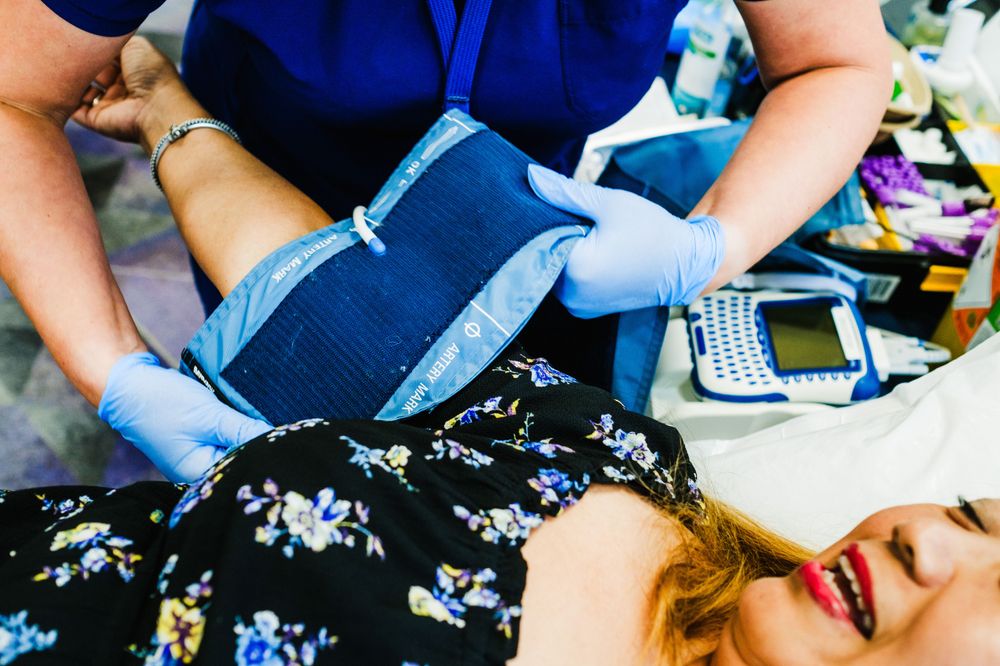
Annual blood pressure checks
-
Cholesterol and blood sugar monitoring
-
Routine dental and eye exams
-
Inflammatory Profile to measure key inflammation markers that can influence ageing and long-term health
Blood tests, in particular, can give insight into your nutrient levels, organ health and inflammation, all of which play a role in long-term wellbeing.
6. Healthy environment and daily habits
Sometimes the small, everyday choices we overlook matter most. Consider adding:
-
Avoiding smoking and limiting alcohol
-
Protecting your skin with SPF, even in cooler months
-
Spending time outdoors for natural light and fresh air
-
Keeping up to date with vaccinations and recommended screenings
-
Making sure your home environment supports your health (good air quality, safe spaces for activity, clutter-free areas for mental calm)
How to personalise your checklist
Everyone’s body and lifestyle are different, so your checklist should reflect your unique needs. Think about:
-
Age and stage of life – what you need at 30 may differ from what you need at 60
-
Family history – if certain conditions run in your family, add extra checks
-
Lifestyle factors – if you travel a lot, focus on routines that work on the move
-
Current goals – whether you want more energy, better sleep or improved fitness
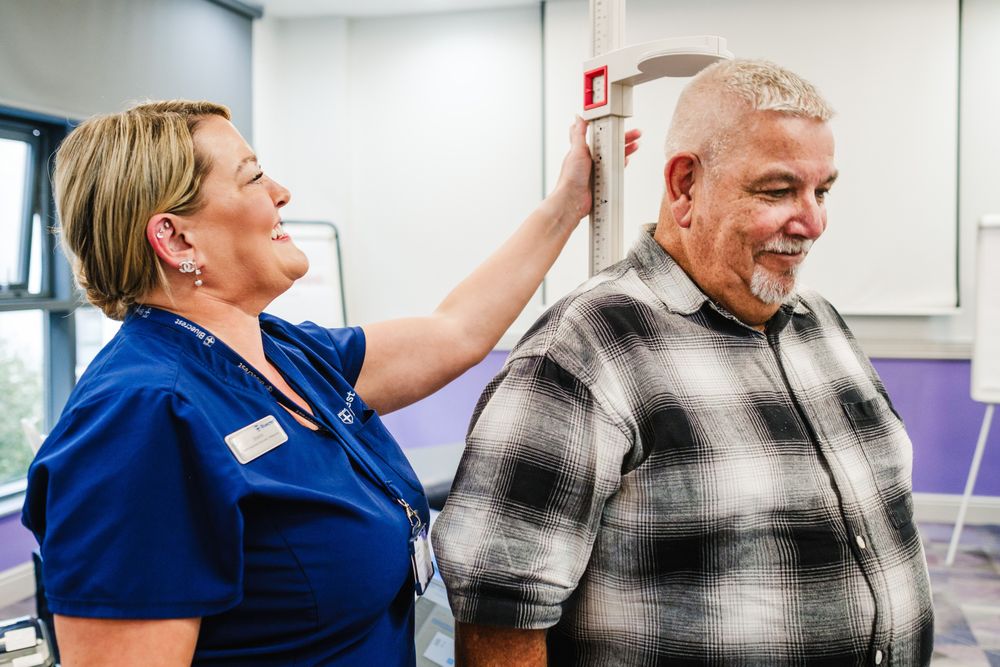
If you’re not sure where to start, a health assessment can give you a personalised snapshot of your wellbeing, helping you shape a checklist that truly fits you.
Making it work in everyday life
A checklist only helps if it’s practical. Here are some tips:
-
Keep it visible – stick it on the fridge or save it on your phone
-
Start small – focus on 2–3 things first, then build up
-
Review regularly – check in monthly to see what’s working and what needs adjusting
-
Celebrate wins – every ticked box is a step towards better health
Building habits that last
The power of a longevity checklist isn’t just in the list itself, but in the habits it builds. Over time, these daily and weekly actions become second nature, shaping the way you live without feeling forced.
Instead of a sudden health overhaul that’s hard to maintain, they blend gradually into your routine, making it easier to stay consistent. That’s what makes them sustainable. They are small, steady changes that add up to a healthier future.
Taking control of your future health
A personal longevity checklist can help you feel more in control of how you age, and feel confident that you’re doing the right things to protect your wellbeing long term.
At Bluecrest Wellness, our health assessments give you the insights you need to make your checklist truly personal, from nutrient levels to organ health and inflammation markers.
With clear results, nationwide locations and friendly support, everything is designed to make staying on top of your health straightforward and stress-free.
Want to find out insights about your health? Book your health assessment today!
To book your health assessment, click here
For Vitality customers, book here.
For Benenden customers, book here.
Need help? You can reach out to our corporate team on 0808 168 9219

Anna Jones
Chief Nursing Officer, Bluecrest
Dr Martin Thornton
Chief Medical Officer, Bluecrest