Understanding Your Blood Pressure Reading: Why Measurement Conditions Matter
Blood pressure changes a lot throughout the day and between different settings. A single reading rarely tells the whole story. Here is how to get an accurate result, and what it actually means.
Blood pressure is one of the most variable routine health measurements. A reading can be much higher than normal if it's taken after rushing upstairs, straight after caffeine, or while you're feeling anxious about the result. A reading taken calmly, 20 minutes later, is likely to be more accurate. Understanding why this happens matters just as much as the number itself.
Normal variation throughout the day
Blood pressure follows a natural daily rhythm. It is lowest during sleep. It rises sharply within the first hour of waking and reaches its highest point in the late morning. It then gradually falls through the afternoon and evening. In the space of a single hour of normal daily activity, readings can vary by 20 to 30 mmHg without anything being wrong.
Some people's blood pressure does not fall during sleep as it should. People in this group are sometimes called non-dippers. Compared with what their daytime readings alone suggest, they carry a higher risk to the heart and blood vessels (cardiovascular risk). This is one reason a monitor worn for a full day and night (a 24-hour blood pressure monitor) gives more useful information than a single reading.
The white coat effect
Around 15 to 30% of people who seem to have raised blood pressure at a clinic have normal readings when measured elsewhere. Being in a clinical setting can trigger a mild stress response, worry about the result, unfamiliar surroundings, that briefly pushes the reading up. This is known as the white coat effect.
The opposite also happens. Some people have normal readings at the clinic but higher readings at home or during their working day (masked hypertension). A single clinic reading can miss both patterns. This is why home monitoring, or a 24-hour monitor, often gives a clearer picture.
How to take a reliable reading at home
The difference between a carefully taken reading and a careless one can be 5 to 15 mmHg.
- Rest first. Sit quietly for five minutes before measuring. Even a brief walk or a stressful phone call will have raised your reading temporarily.
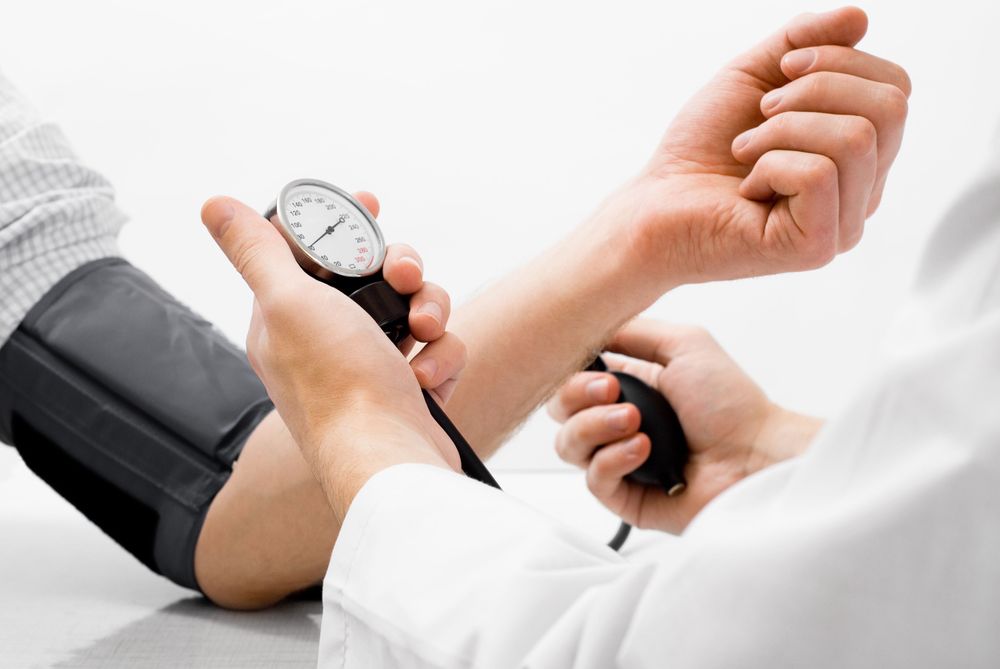
- Sit correctly. Keep your back supported and your feet flat on the floor. Your upper arm should be at the same height as your heart. An arm held lower than the heart gives a higher reading. One held higher gives a lower reading.
- Use the right cuff size. A cuff that is too small will consistently give a reading that's too high. Most validated home monitors come in more than one size.
- Avoid caffeine, alcohol, and vigorous exercise in the 30 to 60 minutes beforehand. Do not measure straight after waking.
- Take two readings, one to two minutes apart, and use the average. The first reading of a session is often slightly higher.
- Measure at the same times each day, typically morning and evening, so your readings are comparable over time.
Choosing a monitor
Not all blood pressure monitors sold to consumers are clinically accurate. The British and Irish Hypertension Society keeps a list of validated devices at bihsoc.org. Upper-arm monitors are more reliable than wrist monitors. Wrist monitors are sensitive to arm position, so they are not recommended for regular home use.
What one elevated reading actually means
A single high reading, at home or at a clinic, is almost never enough on its own to draw firm conclusions from. Blood pressure measured under anything other than ideal conditions is not representative. What matters is a consistent pattern across multiple readings, taken correctly, over days or weeks. One reading is a single data point. A pattern is the meaningful signal.
This article is for general health information purposes and does not constitute medical advice. If you have concerns about your blood pressure, please speak with a healthcare professional.

Dr Martin Thornton
Chief Medical Officer, BluecrestDr Martin Thornton
Chief Medical Officer, Bluecrest