How often should you have a health check?
There isn't a single health check schedule that works for everyone. How often you have a health check depends on your age, health, family history, risk factors and what you want to monitor.
For some people, routine NHS checks may be enough. Others may choose a private health assessment more regularly to keep track of particular health markers or changes over time.
An annual check-up can be useful for some people, but it's not necessarily something everyone needs every year. Here's what to consider when deciding how often to have your health checked.
How often should you have a health check?
For most healthy adults, there isn't a general rule that says you need a full health check every year.
The right frequency depends on what you're checking and your individual circumstances. For example:
- Routine NHS screening and checks follow specific age and risk-based schedules.
- Existing health conditions may require more frequent monitoring arranged with your healthcare team.
- Family history can affect which checks are appropriate and when.
- Lifestyle or health changes may make it useful to review certain measurements.
- Private health assessments can be repeated over time if you'd like to monitor a broader range of health markers. If you're having a health check because you're experiencing symptoms or are worried about a particular change, it's better to speak to a GP rather than waiting for your next routine assessment.
How often should you have a health check by age?
Age can be a useful starting point when thinking about your health checks, although it isn't the only factor that matters.
In your 20s and 30s
If you're generally healthy, you may not need a comprehensive full body health assessment every year.
It's still worth keeping up with routine healthcare, including attending any NHS screening you're offered and having your blood pressure, weight and other relevant health measurements checked when appropriate.
Your family history and individual risk factors may also mean certain checks are useful earlier.
In your 40s
Your 40s are a useful time to become more aware of your cardiovascular and metabolic health.
In England, people aged 40 to 74 who don't already have certain pre-existing conditions are eligible for an NHS Health Check every five years. It looks at your risk of developing conditions such as heart disease, stroke, type 2 diabetes and kidney disease.
You don't have to wait five years if you have a particular health concern. A private health assessment can also provide additional information between NHS checks, depending on the package you choose.
In your 50s
As you get older, keeping track of factors such as blood pressure, cholesterol and blood sugar becomes increasingly relevant.
It's also important to keep up with age-appropriate NHS screening, which may include bowel, breast or cervical screening depending on your age and circumstances.
A private health assessment can provide additional checks if you'd like a broader picture of your health or want to compare particular results over time.
In your 60s and beyond
Regular contact with your GP and participation in NHS screening become increasingly important as you get older.
You may also have specific health conditions or medications that require regular monitoring. Your GP or healthcare team can advise how often these checks should take place.
A private health assessment can sit alongside this care, providing additional information about selected health markers if appropriate.
What should you check regularly?
You don't necessarily need a full body health check every time you want to monitor your health. Some measurements are useful to keep an eye on as part of routine healthcare, including:
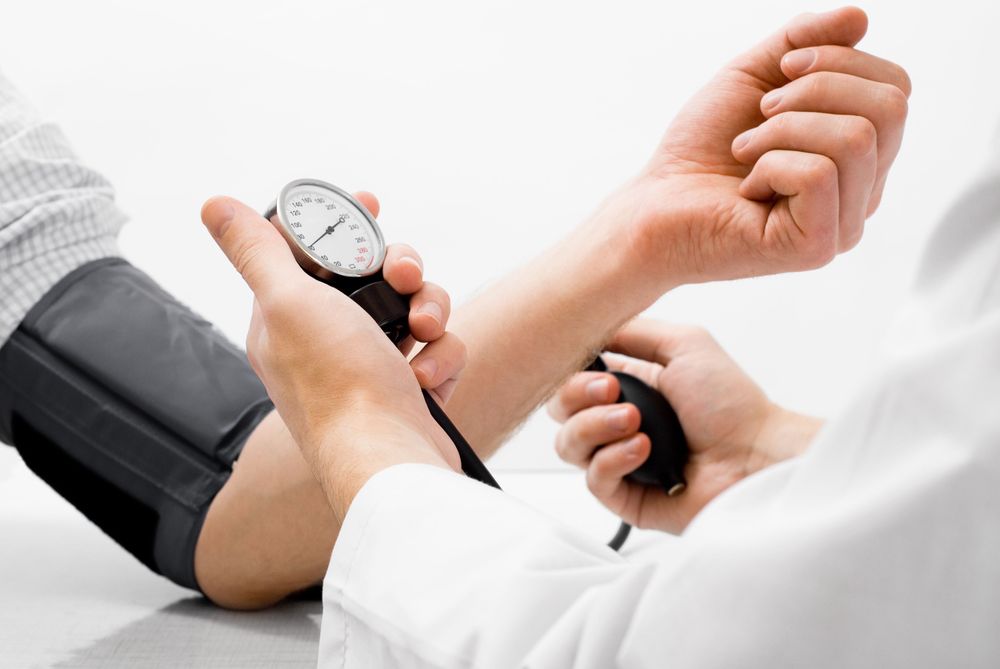
- Blood pressure
- Cholesterol
- Blood sugar
- Weight and waist circumference
- Heart health
- Lifestyle factors such as activity, diet and alcohol intake The checks you need will depend on your age, health and individual risk factors.
For example, someone with a family history of type 2 diabetes may have different monitoring needs from someone whose main concern is cardiovascular health.
What can you learn from having health checks over time?
One benefit of repeating the same health measurements is that you can compare your results rather than looking at a single result in isolation.
For example, you might notice that your:
- Blood pressure has changed
- Cholesterol levels have moved up or down
- Blood sugar levels have gradually increased
- Weight or body composition has changed
- Other blood markers have changed over time A change doesn't necessarily mean there's a problem. Results can vary for many reasons, which is why trends are best considered alongside your wider health and circumstances.
Keeping a record of your results can give you useful information to discuss with your GP or another healthcare professional when appropriate.
What is included in a Bluecrest Health Assessment?
A Bluecrest Health Assessment brings together a range of physical measurements and blood tests, depending on the package you choose. These can include:
- Blood pressure
- Cholesterol
- Blood sugar and HbA1c
- Heart rhythm through an ECG
- Kidney function
- Liver function
- Iron and essential proteins
- Blood health markers
- Lung function
- Body composition
- Heart disease and stroke risk Some packages also include additional services, such as a private GP consultation or access to a 24/7 GP helpline.
You can compare Bluecrest Health Assessment packages to see which checks are included.
Is an annual health check better than one every few years?
Not necessarily.
Having a health check every year can be useful if you're monitoring particular markers and want to compare results over time. But a yearly full body health assessment isn't automatically necessary for everyone.
The NHS already provides a range of routine checks and screening programmes based on age and individual risk. For eligible adults aged 40 to 74 in England, the NHS Health Check is offered every five years.
A private assessment can provide additional checks between routine NHS appointments if that's appropriate for you.
The important thing is to choose a frequency that makes sense for your health rather than simply following an annual timetable.
When might you need more frequent health checks?
There are circumstances where you may need health monitoring more often. These can include:
- Having an existing health condition
- Taking medication that requires monitoring
- Having a strong family history of a particular condition
- Having previously abnormal test results
- Being advised to have regular monitoring by your GP or healthcare team
- Experiencing a significant change in your health In these situations, your GP or specialist should advise you about the appropriate frequency and which tests you need.
A private health assessment shouldn't replace this medical monitoring.
How Bluecrest helps you track changes over time
If you choose to repeat your Bluecrest Health Assessments, your results can provide a way to monitor changes in your health markers over time.
Results are presented through the My Wellness dashboard using a straightforward green, amber and red flag system, making it easier to see which areas are within the expected range and which may need attention.
You can also access your Results Report online, making it easier to keep a record of your results and share them with your GP if appropriate.
The aim isn't to test everything as often as possible. It's to give you useful information that can help you understand your health and decide what, if anything, you want to focus on.
What are the benefits of regular health checks?
Regular health checks can help you:
- Keep track of important health measurements
- Compare results over time
- Become more aware of changes in your health
- Identify areas that may be worth discussing with a healthcare professional
- Understand how factors such as weight, blood pressure and blood sugar are changing
- Use your results to have more informed conversations about your health A health assessment is one part of looking after your health. It doesn't replace medical advice, NHS screening or appointments with a GP.
Frequently asked questions
Should I have a health check every year?
Not everyone needs a full health check every year. The right frequency depends on your age, health, family history and individual risk factors. Some people may benefit from monitoring particular health markers more regularly, while others may only need routine NHS checks.
How often should I have a health check after 40?
In England, eligible adults aged 40 to 74 can have an NHS Health Check every five years. You may choose to have additional private health assessments between these checks, depending on your circumstances and what you'd like to monitor.
Is a private health check the same as an NHS Health Check?
No. They have different purposes and can include different tests. The NHS Health Check assesses your risk of conditions including heart disease, stroke, type 2 diabetes and kidney disease, while private health assessments can offer a broader or different selection of measurements and tests depending on the provider and package.
Can I have a health check if I'm under 40?
Yes. Private health assessments are available to adults under 40, although the most appropriate checks will depend on your circumstances. Your age, family history and individual health risks can help determine which assessments may be useful.
How often should I repeat the same health tests?
There's no universal timetable for every test. Some measurements may be checked routinely, while others may only be needed when there is a particular reason to monitor them. If you're monitoring an existing condition or an abnormal result, follow the advice of your GP or healthcare professional.
Make your health checks work for you
Health checks don't need to follow a one-size-fits-all timetable.
For some people, an annual private health assessment can be a useful way to compare results and keep track of changes. For others, routine NHS checks and screening may provide everything they need.
What matters most is understanding which checks are relevant to you, how often they need to be repeated and what your results mean.
A Bluecrest Health Assessment brings together a range of health measurements and blood tests in one appointment, depending on the package you choose. Results are presented clearly, with a traffic-light system and guidance where appropriate to help you understand what to consider next.
Need help? Call free on 0800 652 2183 to speak to one of our team.
Dr Martin Thornton
Chief Medical Officer, Bluecrest