Heart Attack: What Actually Happens and Why It's Often Preventable
ArticlesPrivate Health Checks

Heart Attack: What Actually Happens and Why It's Often Preventable

Last updated: 9 October 2026

A heart attack does not usually happen out of nowhere. In most cases, it's the final stage of a process that has been building for years, driven by risk factors that can be measured and often changed.

A sudden blockage of blood flow to part of the heart muscle (known as a heart attack, or myocardial infarction) starves that tissue of oxygen. Within minutes, the affected muscle begins to die.

A heart attack can strike suddenly, often without warning, but in most cases, it is actually the end point of a process that has been building inside the body for years.

What actually causes a heart attack?

Most heart attacks are related to coronary artery disease, where fatty material builds up within the arteries supplying the heart. This process is known as atherosclerosis. Over time, cholesterol-containing particles and other material accumulate within the artery wall, forming plaques.

A heart attack commonly occurs when the surface of one of these plaques ruptures or erodes. The body responds as though the artery has been injured and forms a blood clot over the area.

Why can a plaque suddenly become dangerous?

How much a plaque narrows an artery does not necessarily tell you how likely it is to trigger a heart attack.

Large deposits that contain a lot of calcium and narrow the artery significantly often cause symptoms, such as chest pain that comes on with exertion (stable angina), but these larger deposits can actually be fairly stable.

Smaller, softer deposits are often more dangerous. They have a large fatty core and only a thin covering (a fibrous cap), which makes them more vulnerable to the inflammation that weakens this covering. When one of these deposits bursts, its fatty core is exposed to the flowing blood, triggering a blood clot that can block the artery completely within minutes.

How much damage occurs depends on factors including:

  • Which coronary artery is affected
  • How much blood flow is blocked
  • How long the blockage lasts
  • How quickly treatment restores blood flow
  • How much heart muscle is supplied by the affected artery

Rapid treatment matters because restoring blood flow limits the amount of heart muscle damaged.

What are the symptoms of a heart attack?

Common symptoms include:

  • Chest pain, pressure, tightness or squeezing
  • Pain spreading to one or both arms, the neck, jaw, back or stomach
  • Shortness of breath
  • Sweating
  • Feeling sick or being sick
  • Feeling light-headed

What's less well known is that heart attacks often show up differently, especially in women, older adults, and people with diabetes. Chest pain may be mild or missing entirely. Instead, someone might just have shortness of breath, tiredness, feeling sick, or discomfort in the jaw and arm.

Heart attacks can occasionally occur with few or no noticeable symptoms. This is known as a silent myocardial infarction and is more common in older adults and people with diabetes.

If you think you or someone else may be having a heart attack, call 999 immediately. Do not drive yourself to A&E.

What happens to the heart after a heart attack?

Heart muscle cannot repair itself. Once tissue dies, it's replaced with scar tissue, which cannot contract like healthy muscle. This means the remaining healthy muscle has to work harder to compensate.

Depending on how much muscle is affected (the size of the infarct), the effects can range from barely noticeable to a serious loss of pumping power, known as heart failure.

How is a heart attack treated?

One of the most important treatments for certain types of heart attack is primary percutaneous coronary intervention (PCI), commonly known as coronary angioplasty.

A catheter is guided into the blocked coronary artery and a small balloon is used to reopen it. A wire-mesh tube called a stent is usually inserted to help keep the artery open.

Medicines that reduce blood clotting and other treatments may also be required depending on the type of heart attack.

Modern treatment has greatly improved outcomes, but preventing the underlying cardiovascular disease remains preferable to treating a heart attack after it occurs.

What increases your risk of a heart attack?

Many of the major risk factors can be identified before a heart attack occurs.

Smoking

Smoking damages blood vessels, accelerates atherosclerosis and increases the tendency of blood to clot. Stopping smoking is therefore one of the most effective changes someone who smokes can make to reduce their cardiovascular risk.

High cholesterol

Raised levels of atherogenic cholesterol - particularly LDL and other non-HDL particles - contribute directly to the development of atherosclerotic plaques. Both how high your cholesterol is and how long it remains raised influence lifetime cardiovascular risk.

High blood pressure

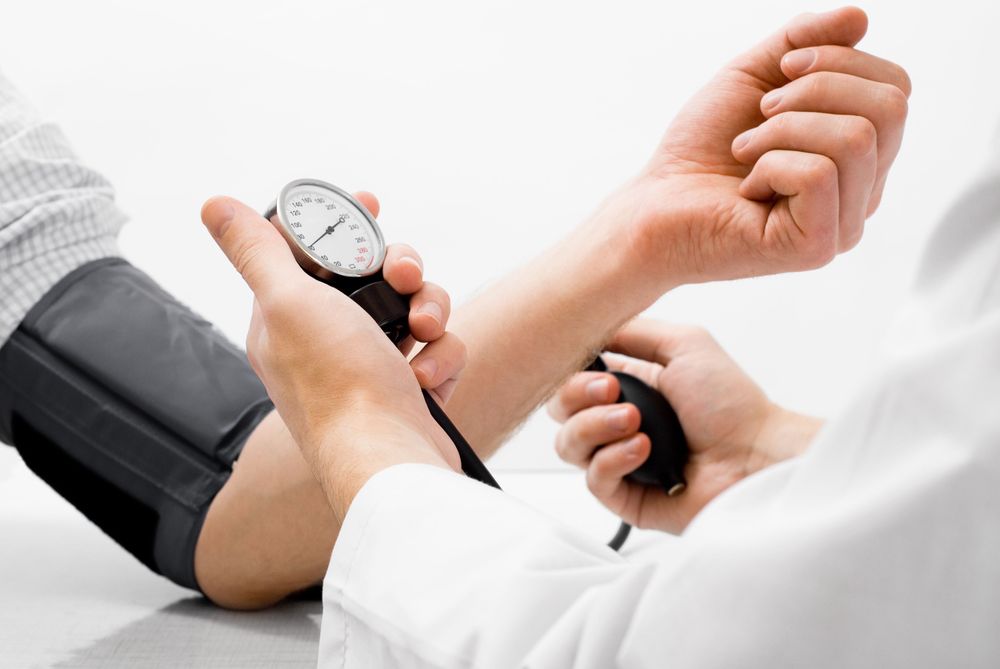
Persistently high blood pressure places additional strain on artery walls and increases cardiovascular risk. Because high blood pressure often causes no symptoms, measuring it is the only reliable way to know whether yours is raised.

Diabetes and insulin resistance

Diabetes substantially increases cardiovascular risk. Persistently raised blood glucose can damage blood vessels, while diabetes frequently occurs alongside other cardiovascular risk factors including abnormal cholesterol levels, high blood pressure and excess visceral fat.

Inflammation

Inflammation plays an important role in atherosclerosis and in the processes that can make plaques unstable.

One marker used to assess low-level inflammatory activity is high-sensitivity C-reactive protein (hsCRP).

The JUPITER trial studied 17,802 people without known cardiovascular disease who had LDL cholesterol below 130 mg/dL but hsCRP of at least 2 mg/L. Treatment with rosuvastatin reduced major cardiovascular events by 44% compared with placebo. It also lowered LDL cholesterol by around 50% and hsCRP by 37%.

The trial therefore supports hsCRP as useful additional information when considering cardiovascular risk, but it does not show that inflammation should be considered independently of cholesterol and other established risk factors.

Check your heart attack risk factors with Bluecrest

A heart attack can occur suddenly, but many of the factors that contribute to it can be identified much earlier.

Bluecrest's Heart Disease & Stroke Risk Test checks key markers associated with cardiovascular risk, including blood pressure, cholesterol, diabetes risk and circulation, helping you build a clearer picture of the factors you can act on.

Your personalised Results Report highlights anything that may need closer attention and provides guidance on appropriate next steps.

Book your health check with Bluecrest now and get a clearer picture of the factors affecting your long-term cardiovascular health.

This article is for general health information purposes and does not constitute medical advice. If you have concerns about your cardiovascular health, please speak with a healthcare professional.

AUTHOR
Anna Jones

Anna Jones

Chief Nursing Officer, Bluecrest

As the Chief Nursing Officer at Bluecrest, Anna is committed to driving high quality care and services and ensuring excellent clinical governance and accuracy alongside developing new innovative testing to supporting preventative health. | LinkedIn
REVIEWED BY
Dr Martin Thornton

Dr Martin Thornton

Chief Medical Officer, Bluecrest


As the Chief Medical Officer at Bluecrest, Dr Thornton is dedicated to improving health outcomes through patient-centred prevention strategies and in identifying what can be measured and tracked to improve health. | LinkedIn
ARTICLE TAGS
SHARE THIS ARTICLE
Other Articles
    Staying Active in a Wheelchair: Exercise That Works for You
    Private Health Checks

    Staying Active in a Wheelchair: Exercise That Works for You

    Practical exercise ideas for wheelchair users, from hand cycling and swimming to resistance bands and seated yoga, plus how to get started safely.

    READ ARTICLE
    Why Your LDL Result Might Be Missing, and What to Do About It
    Private Health Checks

    Why Your LDL Result Might Be Missing, and What to Do About It

    No LDL cholesterol result in your report? Find out why high triglycerides make LDL unreliable, what non-HDL tells you, and the steps that help.

    READ ARTICLE
    What Alcohol Does to Your Waistline: The Visceral Fat Connection Explained
    Private Health Checks

    What Alcohol Does to Your Waistline: The Visceral Fat Connection Explained

    Does alcohol cause visceral fat? Learn how drinking can affect abdominal fat, calorie intake and fat metabolism, and why cutting back may reduce it.

    READ ARTICLE
    Why Diets Fail and What Actually Works: The Science of Sustainable Weight Loss
    Private Health Checks

    Why Diets Fail and What Actually Works: The Science of Sustainable Weight Loss

    Learn why weight loss can be difficult to maintain and what actually works, from protein and exercise to sleep, realistic goals and lasting habits.

    READ ARTICLE
     Hereditary Haemochromatosis: The Common Genetic Cause of Iron Overload
    Private Health Checks

    Hereditary Haemochromatosis: The Common Genetic Cause of Iron Overload

    Learn how hereditary haemochromatosis causes iron overload, the symptoms to know, and how ferritin and transferrin saturation can help identify it.

    READ ARTICLE
    What causes inflammation in the body?
    Private Health Checks

    What causes inflammation in the body?

    Learn what causes inflammation in the body, how lifestyle, diet and health habits play a role and ways to manage and reduce chronic inflammation effectively.

    READ ARTICLE
    Small Habits, Big Difference: Practical Self-Help That Actually Fits Real Life
    Private Health Checks

    Small Habits, Big Difference: Practical Self-Help That Actually Fits Real Life

    Wellbeing overhauls rarely stick. Discover small, practical habits that work on busy days, from five-minute journaling to two hours a week outdoors.

    READ ARTICLE
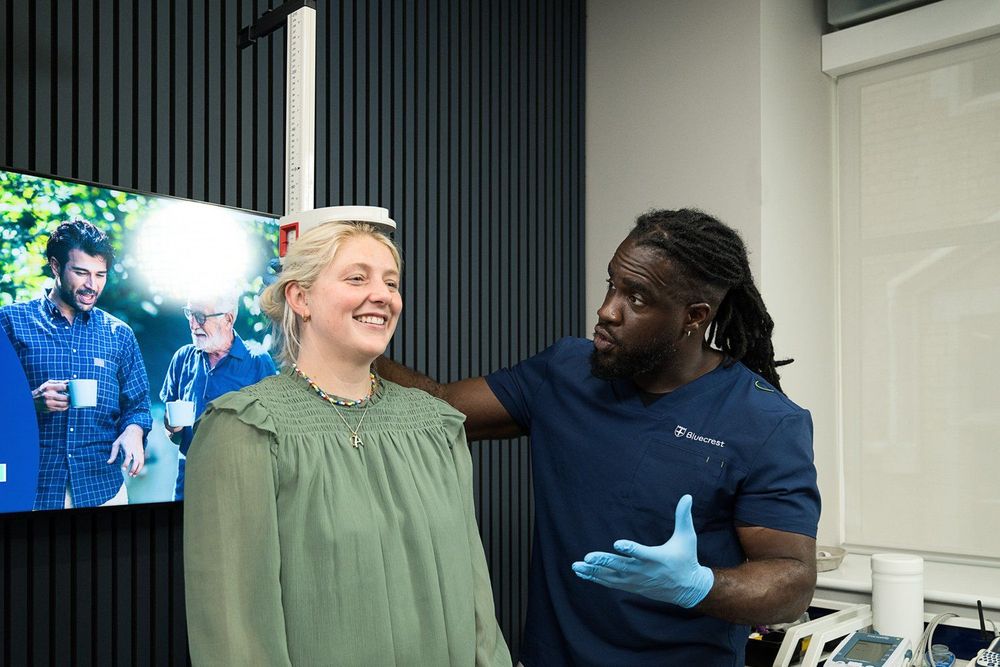
    Bluecrest employee measures a patient's height.
    Private Health Checks

    Exercise and Cardiovascular Health: What Happens to Your Heart When You Move

    Discover how regular exercise strengthens your heart, lowers blood pressure, improves cholesterol and blood sugar, and how much activity you need each week.

    READ ARTICLE
    How often should you have a health check?
    Private Health Checks

    How often should you have a health check?

    How often should you have a health check? Find out how often to check your health by age, what tests may be included and what affects frequency.

    READ ARTICLE
    Can I Get a Full Health Check on the NHS?
    Private Health Checks

    Can I Get a Full Health Check on the NHS?

    Find out who can get an NHS Health Check, what it includes and how it compares with a private full body health check.

    READ ARTICLE
    What is Included in a Full Body Health Check?
    Private Health Checks

    What is Included in a Full Body Health Check?

    Discover what’s included in a full body health check and why getting one will help you take a proactive role in managing your health now and in the future.

    READ ARTICLE
    How can I improve my health?
    Private Health Checks

    How can I improve my health?

    Take control of your wellbeing with these practical steps. Learn how to improve your health, spot the early signs of poor health and build sustainable habits.

    READ ARTICLE
    How to track your health for better wellbeing
    Private Health Checks

    How to track your health for better wellbeing

    Want to know how to track your health effectively? Find out how regular checks, key metrics, and the Bluecrest Wellness App can help you monitor your wellbeing.

    READ ARTICLE
    What are the first signs of bowel cancer?
    Private Health Checks

    What are the first signs of bowel cancer?

    Discover the early signs of bowel cancer, why they matter and how to take action. Learn what to watch for and when to seek support or screening.

    READ ARTICLE
    Elderly man and woman sitting on a blue couch reading a magazine.
    Private Health Checks

    Routine Blood Tests for the Elderly

    As we age, the risk of certain health conditions rises. Routine blood tests are essential for the elderly to stay informed about their health. Learn more.

    READ ARTICLE
    Does Infection Cause High Blood Pressure?
    Private Health Checks

    Does Infection Cause High Blood Pressure?

    Learn how infections can affect your blood pressure, the role of inflammation and when to seek medical advice. Plus, discover tips for regular monitoring.

    READ ARTICLE
    Man sitting in front of a bookshelf smiling.
    Private Health Checks

    What is an over 50s health check?

    Discover the importance of health checks for the over 50s with our guide. Learn about their benefits and how they help you to take control of your health.

    READ ARTICLE
    How to Naturally Increase Progesterone Levels
    Private Health Checks

    How to Naturally Increase Progesterone Levels

    Discover natural ways to boost progesterone levels through diet, lifestyle changes, and holistic approaches to support hormonal balance and overall wellbeing.

    READ ARTICLE
    Mental Wellbeing: Your Guide to a Healthier Mind
    Private Health Checks

    Mental Wellbeing: Your Guide to a Healthier Mind

    Your mental health plays a key role in how you feel day-to-day. Taking small steps to look after your mental health can make a meaningful difference to overall wellbeing.

    READ ARTICLE
    young woman with laptop
    Private Health Checks

    What is a health coach and how can it help you?

    Looking to build healthier habits and stay motivated? Find out how a health coach can support long-term lifestyle change with Bluecrest Wellness today.

    READ ARTICLE
    What are the most common inflammatory diseases?
    Private Health Checks

    What are the most common inflammatory diseases?

    Find out which inflammatory diseases are most common, their symptoms, causes, and how testing can help you stay proactive about your health and wellbeing.

    READ ARTICLE
    How to find a health coach: expert tips for better results
    Private Health Checks

    How to find a health coach: expert tips for better results

    Looking for a health coach who fits your goals? Here’s how to choose the right coach, what to expect, and how Bluecrest’s Insightful Health Coaching can help.

    READ ARTICLE
    Woman is in a lab with other colleagues and holding up a vial of blood.
    Private Health Checks

    How much should a private health assessment cost?

    Find out how much a private health assessment costs in the UK, what's included and what to consider to find the right package for your health needs and budget.

    READ ARTICLE
    Who is at risk of colon cancer?
    Private Health Checks

    Who is at risk of colon cancer?

    Certain lifestyle and genetic factors increase your risk of colon cancer. Discover who’s most at risk and how to recognise early signs to take proactive steps.

    READ ARTICLE
    Is Inflammation Good or Bad?
    Private Health Checks

    Is Inflammation Good or Bad?

    Discover how inflammation affects your body, when it’s helpful or harmful and how lifestyle changes and health checks can support long-term wellbeing.

    READ ARTICLE
    How to Reduce Chronic Inflammation
    Private Health Checks

    How to Reduce Chronic Inflammation

    Discover effective ways to reduce chronic inflammation through lifestyle changes, diet, exercise and health checks for long-term wellbeing and prevention.

    READ ARTICLE
    Nurse cleaning a man's arm to take a blood sample.
    Private Health Checks

    What are the Benefits of Preventive Health Services?

    Learn about the benefits of preventive health services and discover how Bluecrest Wellness’s private health MOTs can provide vital insights into your health.

    READ ARTICLE
    How to Determine Metabolic Age?
    Private Health Checks

    How to Determine Metabolic Age?

    Discover what metabolic age is, how it’s measured and the role diet, exercise and lifestyle play in improving it for better overall health and wellness.

    READ ARTICLE
    Inflammation and Ageing: Understanding the Link
    Private Health Checks

    Inflammation and Ageing: Understanding the Link

    Understand the link between inflammation and ageing. Learn how chronic inflammation can affect your health and ways to reduce the risk as you get older.

    READ ARTICLE