Why Diets Fail and What Actually Works: The Science of Sustainable Weight Loss
ArticlesPrivate Health Checks

Why Diets Fail and What Actually Works: The Science of Sustainable Weight Loss

Last updated: 9 October 2026

Many weight loss attempts are not maintained long-term, and the reason is biological rather than motivational. Here is what the research actually shows.

Weight loss is one of the most researched and most misunderstood areas of health science. The basic physics are not in dispute: your body needs to burn more calories than it takes in for you to lose fat, what's called a calorie deficit.

What is far more complex is the biology that gets in the way between wanting to change and actually changing.

Why sustained weight loss is biologically difficult

Your body doesn't see a calorie deficit as a health goal. It sees it as a threat. In response, several things happen:

  • The number of calories you burn at rest drops (your resting metabolic rate falls)
  • Hunger hormones rise, and the signals that tell you you're full get weaker (satiety signaling drops)
  • High-calorie foods also start to look and feel more appealing

These aren't failures of willpower. They are biological mechanisms that evolved to protect you from starvation.

This response is the main reason people regain weight after a diet. The situation changes, you stop restricting calories, but your hormones don't switch back straight away. They can stay in this adapted state for months, sometimes years.

This tells us two things.

First, a weight loss approach needs to work with your biology, not against it. Second, keeping weight off after you've lost it is something you keep actively doing. It isn't a reward you get automatically for having lost the weight.

Setting a realistic weight-loss goal

You do not need to make a dramatic change before your health can benefit.

If you have a significant amount of weight to lose, breaking your overall target into smaller goals can make the process more manageable. Rather than focusing only on reaching an ideal weight, concentrate on changes you can maintain and reassess your progress over time.

A commonly recommended rate is around 0.5 to 1kg of weight loss per week, although this will vary according to your starting weight, body composition, activity and calorie intake.

Is slower weight loss always better?

The evidence on whether losing weight more slowly helps you keep it off long-term is mixed. Some studies favour a slower pace, since it helps preserve muscle. But the largest trial designed specifically to test this found no difference in how much weight people regained afterwards.

Losing weight faster brings quicker initial results, but it also tends to:

  • Cost you more muscle
  • Trigger a stronger hunger response
  • Make regaining the weight more likely

No single way of eating has a clear long-term advantage over another, as long as the calories match up. The best approach is whichever one creates a sustainable deficit without leaving you constantly hungry.

Creating a calorie deficit that fits your lifestyle

Protein

Most people trying to lose weight don't eat enough protein. Research consistently shows that people trying to lose weight benefit from eating more protein than standard guidelines suggest. This is especially true if preserving muscle is a priority.

In practice, this means including a good source of protein at every meal. Eggs, chicken, fish, Greek yoghurt, lentils, and edamame are all good options. Spreading your protein intake across three meals tends to work better than eating most of it in one sitting.

Fibrous foods

A calorie deficit may determine whether weight falls, but the foods you choose can make that deficit much easier or harder to maintain. Vegetables, fruit, wholegrains and pulses provide fibre and volume, which can help meals feel more filling.

Highly processed foods, sugary drinks and foods that combine large amounts of fat, sugar or refined carbohydrates can be easy to eat in large quantities without feeling equally full. That does not mean you need to completely remove particular foods or food groups.

A more sustainable approach is to make nutritious, minimally processed foods the basis of your everyday diet while leaving room for less nutritious foods occasionally.

Exercise

Exercise often gets too much credit for creating the calorie deficit itself. It can be difficult to exercise away a consistently high calorie intake. Where physical activity becomes particularly valuable is in protecting your muscle, improving fitness and supporting long-term weight maintenance.

Resistance training is especially useful during weight loss because it gives your body a reason to retain muscle. You’ll also want to add in aerobic activity too. Walking, cycling, swimming and other activities increase your overall energy expenditure and will improve your cardiovascular health.

For general health, aim to work towards at least 150 minutes of moderate activity each week, alongside muscle-strengthening activity. If that feels unrealistic initially, start with what you can sustain and build from there.

Sleep

Not getting enough sleep gets in the way of managing your weight. Even a single night of poor sleep raises hunger hormones and lowers the hormones that make you feel full. It also makes high-calorie foods harder to resist the next day.

Not getting enough sleep on an ongoing basis is also linked to higher levels of fat stored around your organs (visceral fat). It changes what kind of weight you lose on a diet, though.

One well-known study put people on the same reduced-calorie diet and varied only their sleep, 8.5 hours a night in one phase, 5.5 hours in another. Total weight loss was the same either way, but with less sleep, people lost less fat and more muscle. Getting seven to nine hours of good-quality sleep is a core part of making a weight management plan work, not a nice-to-have.

Stress

Ongoing stress also encourages your body to store fat around your organs, largely through the stress hormone cortisol. It also increases your appetite for high-calorie foods and encourages muscle breakdown.

Managing stress through regular exercise, good sleep, and structured relaxation is a genuine, useful part of a weight management plan.

Track more than your weight with Bluecrest

The scales cannot tell you whether changes in your weight are coming from body fat, muscle or the visceral fat stored around your organs.

When you're ready to check your progress, a Bluecrest health assessment includes a Body Composition Scan that will measure your body’s fat percentage, visceral fat, muscle mass, BMI and other markers. Tracking these over time can give you a clearer picture of how your lifestyle changes are affecting your body beyond the number on the scales.

Book your Bluecrest health check and get a clearer view of how your body composition is changing.

This article is for general health information purposes and does not constitute medical advice. If you have concerns about your weight or health, please speak with a healthcare professional.

AUTHOR
Anna Jones

Anna Jones

Chief Nursing Officer, Bluecrest

As the Chief Nursing Officer at Bluecrest, Anna is committed to driving high quality care and services and ensuring excellent clinical governance and accuracy alongside developing new innovative testing to supporting preventative health. | LinkedIn
REVIEWED BY
Graham Jones

Graham Jones

Medical Writer

As a Medical Writer for Bluecrest, Graham has a passion for science communication and is dedicated to making health information clear, accurate, and accessible, turning complex medical information into content that empowers people to take charge of their health and supports preventative care.

ARTICLE TAGS
SHARE THIS ARTICLE
Other Articles
    Staying Active in a Wheelchair: Exercise That Works for You
    Private Health Checks

    Staying Active in a Wheelchair: Exercise That Works for You

    Practical exercise ideas for wheelchair users, from hand cycling and swimming to resistance bands and seated yoga, plus how to get started safely.

    READ ARTICLE
    Why Your LDL Result Might Be Missing, and What to Do About It
    Private Health Checks

    Why Your LDL Result Might Be Missing, and What to Do About It

    No LDL cholesterol result in your report? Find out why high triglycerides make LDL unreliable, what non-HDL tells you, and the steps that help.

    READ ARTICLE
    What Alcohol Does to Your Waistline: The Visceral Fat Connection Explained
    Private Health Checks

    What Alcohol Does to Your Waistline: The Visceral Fat Connection Explained

    Does alcohol cause visceral fat? Learn how drinking can affect abdominal fat, calorie intake and fat metabolism, and why cutting back may reduce it.

    READ ARTICLE
    Heart Attack: What Actually Happens and Why It's Often Preventable
    Private Health Checks

    Heart Attack: What Actually Happens and Why It's Often Preventable

    Learn what causes a heart attack, what happens when a coronary artery is blocked, the warning signs to know and the risk factors you can change early.

    READ ARTICLE
     Hereditary Haemochromatosis: The Common Genetic Cause of Iron Overload
    Private Health Checks

    Hereditary Haemochromatosis: The Common Genetic Cause of Iron Overload

    Learn how hereditary haemochromatosis causes iron overload, the symptoms to know, and how ferritin and transferrin saturation can help identify it.

    READ ARTICLE
    What causes inflammation in the body?
    Private Health Checks

    What causes inflammation in the body?

    Learn what causes inflammation in the body, how lifestyle, diet and health habits play a role and ways to manage and reduce chronic inflammation effectively.

    READ ARTICLE
    Small Habits, Big Difference: Practical Self-Help That Actually Fits Real Life
    Private Health Checks

    Small Habits, Big Difference: Practical Self-Help That Actually Fits Real Life

    Wellbeing overhauls rarely stick. Discover small, practical habits that work on busy days, from five-minute journaling to two hours a week outdoors.

    READ ARTICLE
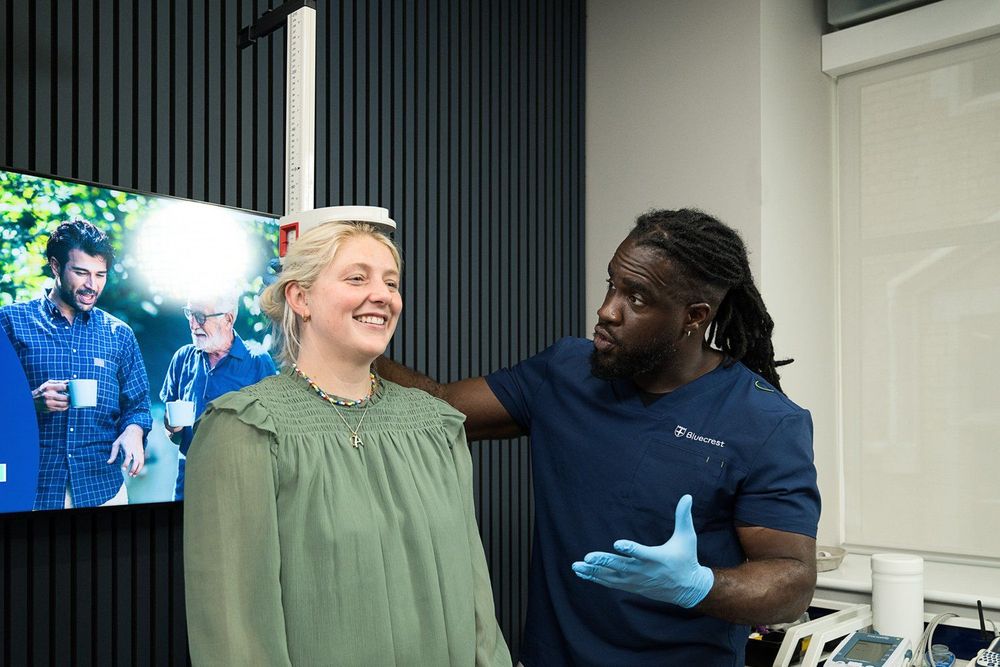
    Bluecrest employee measures a patient's height.
    Private Health Checks

    Exercise and Cardiovascular Health: What Happens to Your Heart When You Move

    Discover how regular exercise strengthens your heart, lowers blood pressure, improves cholesterol and blood sugar, and how much activity you need each week.

    READ ARTICLE
    How often should you have a health check?
    Private Health Checks

    How often should you have a health check?

    How often should you have a health check? Find out how often to check your health by age, what tests may be included and what affects frequency.

    READ ARTICLE
    Can I Get a Full Health Check on the NHS?
    Private Health Checks

    Can I Get a Full Health Check on the NHS?

    Find out who can get an NHS Health Check, what it includes and how it compares with a private full body health check.

    READ ARTICLE
    What is Included in a Full Body Health Check?
    Private Health Checks

    What is Included in a Full Body Health Check?

    Discover what’s included in a full body health check and why getting one will help you take a proactive role in managing your health now and in the future.

    READ ARTICLE
    How can I improve my health?
    Private Health Checks

    How can I improve my health?

    Take control of your wellbeing with these practical steps. Learn how to improve your health, spot the early signs of poor health and build sustainable habits.

    READ ARTICLE
    How to track your health for better wellbeing
    Private Health Checks

    How to track your health for better wellbeing

    Want to know how to track your health effectively? Find out how regular checks, key metrics, and the Bluecrest Wellness App can help you monitor your wellbeing.

    READ ARTICLE
    What are the first signs of bowel cancer?
    Private Health Checks

    What are the first signs of bowel cancer?

    Discover the early signs of bowel cancer, why they matter and how to take action. Learn what to watch for and when to seek support or screening.

    READ ARTICLE
    Elderly man and woman sitting on a blue couch reading a magazine.
    Private Health Checks

    Routine Blood Tests for the Elderly

    As we age, the risk of certain health conditions rises. Routine blood tests are essential for the elderly to stay informed about their health. Learn more.

    READ ARTICLE
    Does Infection Cause High Blood Pressure?
    Private Health Checks

    Does Infection Cause High Blood Pressure?

    Learn how infections can affect your blood pressure, the role of inflammation and when to seek medical advice. Plus, discover tips for regular monitoring.

    READ ARTICLE
    Man sitting in front of a bookshelf smiling.
    Private Health Checks

    What is an over 50s health check?

    Discover the importance of health checks for the over 50s with our guide. Learn about their benefits and how they help you to take control of your health.

    READ ARTICLE
    How to Naturally Increase Progesterone Levels
    Private Health Checks

    How to Naturally Increase Progesterone Levels

    Discover natural ways to boost progesterone levels through diet, lifestyle changes, and holistic approaches to support hormonal balance and overall wellbeing.

    READ ARTICLE
    Mental Wellbeing: Your Guide to a Healthier Mind
    Private Health Checks

    Mental Wellbeing: Your Guide to a Healthier Mind

    Your mental health plays a key role in how you feel day-to-day. Taking small steps to look after your mental health can make a meaningful difference to overall wellbeing.

    READ ARTICLE
    young woman with laptop
    Private Health Checks

    What is a health coach and how can it help you?

    Looking to build healthier habits and stay motivated? Find out how a health coach can support long-term lifestyle change with Bluecrest Wellness today.

    READ ARTICLE
    What are the most common inflammatory diseases?
    Private Health Checks

    What are the most common inflammatory diseases?

    Find out which inflammatory diseases are most common, their symptoms, causes, and how testing can help you stay proactive about your health and wellbeing.

    READ ARTICLE
    How to find a health coach: expert tips for better results
    Private Health Checks

    How to find a health coach: expert tips for better results

    Looking for a health coach who fits your goals? Here’s how to choose the right coach, what to expect, and how Bluecrest’s Insightful Health Coaching can help.

    READ ARTICLE
    Woman is in a lab with other colleagues and holding up a vial of blood.
    Private Health Checks

    How much should a private health assessment cost?

    Find out how much a private health assessment costs in the UK, what's included and what to consider to find the right package for your health needs and budget.

    READ ARTICLE
    Who is at risk of colon cancer?
    Private Health Checks

    Who is at risk of colon cancer?

    Certain lifestyle and genetic factors increase your risk of colon cancer. Discover who’s most at risk and how to recognise early signs to take proactive steps.

    READ ARTICLE
    Is Inflammation Good or Bad?
    Private Health Checks

    Is Inflammation Good or Bad?

    Discover how inflammation affects your body, when it’s helpful or harmful and how lifestyle changes and health checks can support long-term wellbeing.

    READ ARTICLE
    How to Reduce Chronic Inflammation
    Private Health Checks

    How to Reduce Chronic Inflammation

    Discover effective ways to reduce chronic inflammation through lifestyle changes, diet, exercise and health checks for long-term wellbeing and prevention.

    READ ARTICLE
    Nurse cleaning a man's arm to take a blood sample.
    Private Health Checks

    What are the Benefits of Preventive Health Services?

    Learn about the benefits of preventive health services and discover how Bluecrest Wellness’s private health MOTs can provide vital insights into your health.

    READ ARTICLE
    How to Determine Metabolic Age?
    Private Health Checks

    How to Determine Metabolic Age?

    Discover what metabolic age is, how it’s measured and the role diet, exercise and lifestyle play in improving it for better overall health and wellness.

    READ ARTICLE
    Inflammation and Ageing: Understanding the Link
    Private Health Checks

    Inflammation and Ageing: Understanding the Link

    Understand the link between inflammation and ageing. Learn how chronic inflammation can affect your health and ways to reduce the risk as you get older.

    READ ARTICLE