Exercise and Cardiovascular Health: What Happens to Your Heart When You Move
ArticlesPrivate Health Checks

Exercise and Cardiovascular Health: What Happens to Your Heart When You Move

Last updated: 25 September 2026

Exercise is one of the most powerful things you can do for your heart and blood vessels. Here is what is actually happening when you move regularly, and why it works across so many risk factors at once.

If you could put the cardiovascular benefits of regular physical activity into a pill, it would be the most prescribed medication in medicine. Exercise lowers blood pressure, improves cholesterol levels, improves blood sugar control, reduces body fat, lowers inflammation, and strengthens the heart itself. No single drug achieves all of these without side effects.

What exercise does to the heart

The heart is a muscle, and it responds to training just like any other muscle. With regular aerobic exercise, the heart gradually becomes more efficient. It pumps out more blood with each beat (called stroke volume), meaning the heart does not need to beat as fast to deliver the same amount of blood around the body. A lower resting heart rate is a sign of a healthy, efficient heart, and it also reduces the wear, over a lifetime, on the arteries that supply the heart (coronary arteries).

Regular exercise also improves the heart's rhythmic stability. It has also been shown to reduce the risk of an irregular heartbeat that significantly increases the risk of stroke (atrial fibrillation).

What exercise does to blood vessels

One of the most important effects of regular exercise is on the inner lining of blood vessels (the endothelium). When you exercise, blood flows faster and creates more physical force on the vessel walls. This stimulates the lining to produce a substance called nitric oxide, which causes blood vessels to relax and widen. Nitric oxide also reduces the stickiness of blood, suppresses inflammation in the vessel walls, and discourages the build-up of fatty deposits (plaques). This is one of the clearest direct mechanisms through which regular exercise protects against heart disease.

Exercise also makes arteries more flexible over time, which helps lower blood pressure and reduces the strain on the heart.

The effect on cholesterol and blood fats

Aerobic exercise has one especially consistent effect on cholesterol: it raises the beneficial type that helps carry cholesterol away from the arteries (HDL). This happens because exercise boosts the activity of an enzyme (lipoprotein lipase) that helps clear fat from the bloodstream and convert it into HDL. Exercise also reduces the blood fats linked to heart disease (triglycerides), through improved insulin sensitivity and increased fat burning.

Blood pressure and blood sugar

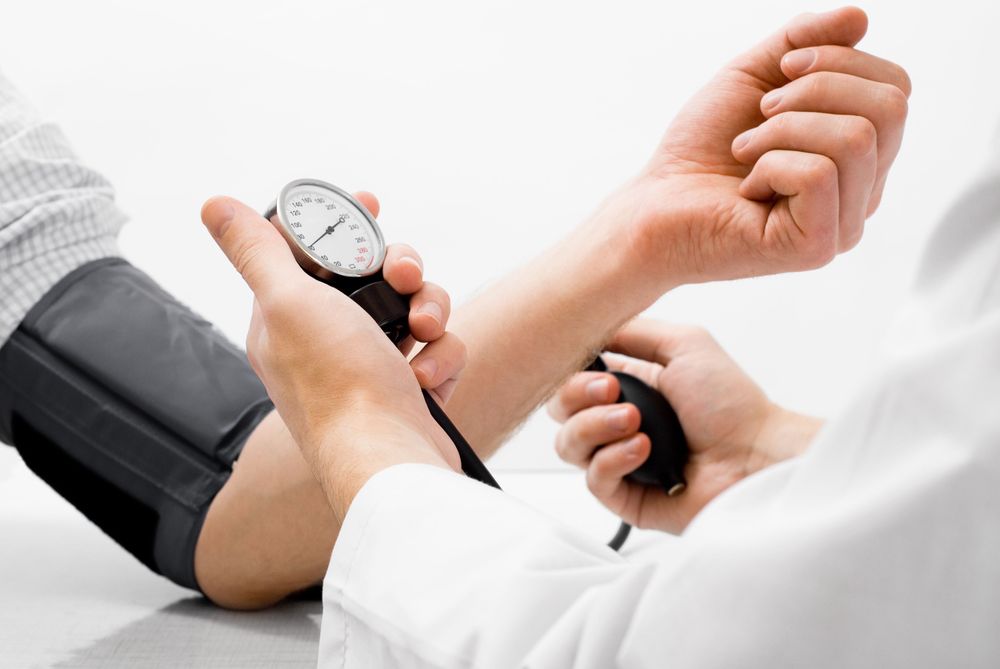
A large analysis of clinical trials looked at the effect of exercise training on blood pressure. In people with high blood pressure, it reduced the top number in a blood pressure reading (systolic blood pressure) by an average of 4 to 5 mmHg. This is comparable to taking a first-line blood pressure medication, and it is also an effect you get in addition to any medication you may already be taking.

Every time muscles contract during exercise, they take up blood sugar (glucose) from the bloodstream. This happens through a process that does not even require insulin. Over time, regular training improves the body's overall sensitivity to insulin, making blood sugar regulation more efficient. Research shows that structured exercise reduces the three-month blood sugar average (HbA1c) by a meaningful amount in controlled trials.

Exercise also causes muscles to release natural anti-inflammatory compounds during contraction. This is why regular activity consistently lowers the inflammation marker (hsCRP), even in people who do not lose weight.

How much and what type

The UK physical activity guidelines recommend at least 150 minutes of moderate aerobic activity per week, or 75 minutes of vigorous activity, plus muscle-strengthening exercise at least twice a week. Moderate intensity means slightly breathless but still able to hold a conversation: brisk walking, cycling, swimming, or dancing all count.

The most important shift is from doing nothing to doing something. The largest gain in cardiovascular benefit comes from moving from completely sedentary to meeting basic activity levels. Each additional step beyond that adds benefit, but diminishing returns set in at higher volumes.

Aerobic exercise drives most of the benefits described above. Resistance training, using weights, resistance bands, or your own bodyweight, adds important benefits for blood sugar, body composition, and muscle mass. Combining both is considerably more effective than either alone.

Breaking up long periods of sitting with short bouts of movement throughout the day also has a measurable effect on cardiovascular markers. This benefit is independent of planned exercise sessions.

The bottom line

Exercise does not just reduce cardiovascular risk in one way. It improves almost every risk factor simultaneously, in a way that no medication can fully replicate. The most important session is whichever one comes next.

This article is for general health information purposes and does not constitute medical advice. If you have concerns about your cardiovascular health or starting a new exercise programme, please speak with a healthcare professional.

AUTHOR
Dr Martin Thornton

Dr Martin Thornton

Chief Medical Officer, Bluecrest

As the Chief Medical Officer at Bluecrest, Dr Thornton is dedicated to improving health outcomes through patient-centered prevention strategies and in identifying what can be measured and tracked to improve health. | LinkedIn
REVIEWED BY
Graham Jones

Graham Jones

Medical Writer

As a Medical Writer for Bluecrest, Graham has a passion for science communication and is dedicated to making health information clear, accurate, and accessible, turning complex medical information into content that empowers people to take charge of their health and supports preventative care.
ARTICLE TAGS
SHARE THIS ARTICLE
Other Articles
    Small Habits, Big Difference: Practical Self-Help That Actually Fits Real Life
    Private Health Checks

    Small Habits, Big Difference: Practical Self-Help That Actually Fits Real Life

    Wellbeing overhauls rarely stick. Discover small, practical habits that work on busy days, from five-minute journaling to two hours a week outdoors.

    READ ARTICLE
    How often should you have a health check?
    Private Health Checks

    How often should you have a health check?

    How often should you have a health check? Find out how often to check your health by age, what tests may be included and what affects frequency.

    READ ARTICLE
    Can I Get a Full Health Check on the NHS?
    Private Health Checks

    Can I Get a Full Health Check on the NHS?

    Find out who can get an NHS Health Check, what it includes and how it compares with a private full body health check.

    READ ARTICLE
    What is Included in a Full Body Health Check?
    Private Health Checks

    What is Included in a Full Body Health Check?

    Discover what’s included in a full body health check and why getting one will help you take a proactive role in managing your health now and in the future.

    READ ARTICLE
    How can I improve my health?
    Private Health Checks

    How can I improve my health?

    Take control of your wellbeing with these practical steps. Learn how to improve your health, spot the early signs of poor health and build sustainable habits.

    READ ARTICLE
    How to track your health for better wellbeing
    Private Health Checks

    How to track your health for better wellbeing

    Want to know how to track your health effectively? Find out how regular checks, key metrics, and the Bluecrest Wellness App can help you monitor your wellbeing.

    READ ARTICLE
    What are the first signs of bowel cancer?
    Private Health Checks

    What are the first signs of bowel cancer?

    Discover the early signs of bowel cancer, why they matter and how to take action. Learn what to watch for and when to seek support or screening.

    READ ARTICLE
    Elderly man and woman sitting on a blue couch reading a magazine.
    Private Health Checks

    Routine Blood Tests for the Elderly

    As we age, the risk of certain health conditions rises. Routine blood tests are essential for the elderly to stay informed about their health. Learn more.

    READ ARTICLE
    Does Infection Cause High Blood Pressure?
    Private Health Checks

    Does Infection Cause High Blood Pressure?

    Learn how infections can affect your blood pressure, the role of inflammation and when to seek medical advice. Plus, discover tips for regular monitoring.

    READ ARTICLE
    Man sitting in front of a bookshelf smiling.
    Private Health Checks

    What is an over 50s health check?

    Discover the importance of health checks for the over 50s with our guide. Learn about their benefits and how they help you to take control of your health.

    READ ARTICLE
    How to Naturally Increase Progesterone Levels
    Private Health Checks

    How to Naturally Increase Progesterone Levels

    Discover natural ways to boost progesterone levels through diet, lifestyle changes, and holistic approaches to support hormonal balance and overall wellbeing.

    READ ARTICLE
    Mental Wellbeing: Your Guide to a Healthier Mind
    Private Health Checks

    Mental Wellbeing: Your Guide to a Healthier Mind

    Your mental health plays a key role in how you feel day-to-day. Taking small steps to look after your mental health can make a meaningful difference to overall wellbeing.

    READ ARTICLE
    young woman with laptop
    Private Health Checks

    What is a health coach and how can it help you?

    Looking to build healthier habits and stay motivated? Find out how a health coach can support long-term lifestyle change with Bluecrest Wellness today.

    READ ARTICLE
    What are the most common inflammatory diseases?
    Private Health Checks

    What are the most common inflammatory diseases?

    Find out which inflammatory diseases are most common, their symptoms, causes, and how testing can help you stay proactive about your health and wellbeing.

    READ ARTICLE
    How to find a health coach: expert tips for better results
    Private Health Checks

    How to find a health coach: expert tips for better results

    Looking for a health coach who fits your goals? Here’s how to choose the right coach, what to expect, and how Bluecrest’s Insightful Health Coaching can help.

    READ ARTICLE
    Woman is in a lab with other colleagues and holding up a vial of blood.
    Private Health Checks

    How much should a private health assessment cost?

    Find out how much a private health assessment costs in the UK, what's included and what to consider to find the right package for your health needs and budget.

    READ ARTICLE
    Who is at risk of colon cancer?
    Private Health Checks

    Who is at risk of colon cancer?

    Certain lifestyle and genetic factors increase your risk of colon cancer. Discover who’s most at risk and how to recognise early signs to take proactive steps.

    READ ARTICLE
    Is Inflammation Good or Bad?
    Private Health Checks

    Is Inflammation Good or Bad?

    Discover how inflammation affects your body, when it’s helpful or harmful and how lifestyle changes and health checks can support long-term wellbeing.

    READ ARTICLE
    What causes inflammation in the body?
    Private Health Checks

    What causes inflammation in the body?

    Learn what causes inflammation in the body, how lifestyle, diet and health habits play a role and ways to manage and reduce chronic inflammation effectively.

    READ ARTICLE
    How to Reduce Chronic Inflammation
    Private Health Checks

    How to Reduce Chronic Inflammation

    Discover effective ways to reduce chronic inflammation through lifestyle changes, diet, exercise and health checks for long-term wellbeing and prevention.

    READ ARTICLE
    Nurse cleaning a man's arm to take a blood sample.
    Private Health Checks

    What are the Benefits of Preventive Health Services?

    Learn about the benefits of preventive health services and discover how Bluecrest Wellness’s private health MOTs can provide vital insights into your health.

    READ ARTICLE
    How to Determine Metabolic Age?
    Private Health Checks

    How to Determine Metabolic Age?

    Discover what metabolic age is, how it’s measured and the role diet, exercise and lifestyle play in improving it for better overall health and wellness.

    READ ARTICLE
    Inflammation and Ageing: Understanding the Link
    Private Health Checks

    Inflammation and Ageing: Understanding the Link

    Understand the link between inflammation and ageing. Learn how chronic inflammation can affect your health and ways to reduce the risk as you get older.

    READ ARTICLE