Is It Worth Having a Health Assessment Once a Year?
Many people visit a healthcare professional when they feel unwell or notice a change in their health. While this approach is important, there is also growing interest in taking a more proactive view of health and wellbeing.
A health assessment can provide valuable information about key health markers, helping you understand more about what is happening inside your body. For some people, having a health assessment once a year can be a useful way to monitor changes over time and stay informed about their health.
But is an annual health assessment worth it? The answer depends on your circumstances, health goals and the information you hope to gain.
Why regular health checks matter
Health changes can happen gradually. Factors such as age, lifestyle, stress levels, diet and activity levels can all influence your wellbeing over time.
Because many changes develop slowly, they may not always be obvious in day-to-day life. Regular health checks can provide an opportunity to review key health markers and identify trends that may otherwise go unnoticed.
Having access to this information can help you make informed decisions about your health and lifestyle.
What is a health assessment?
A health assessment is designed to provide a snapshot of your current health. Depending on the type of assessment, it may include a range of tests and measurements that help build a picture of your overall wellbeing.
This can include information relating to areas such as:
- Heart health
- Diabetes risk
- Liver function
- Kidney function
- Cholesterol levels
- Inflammation markers
- Hormone levels
- Body composition and weight
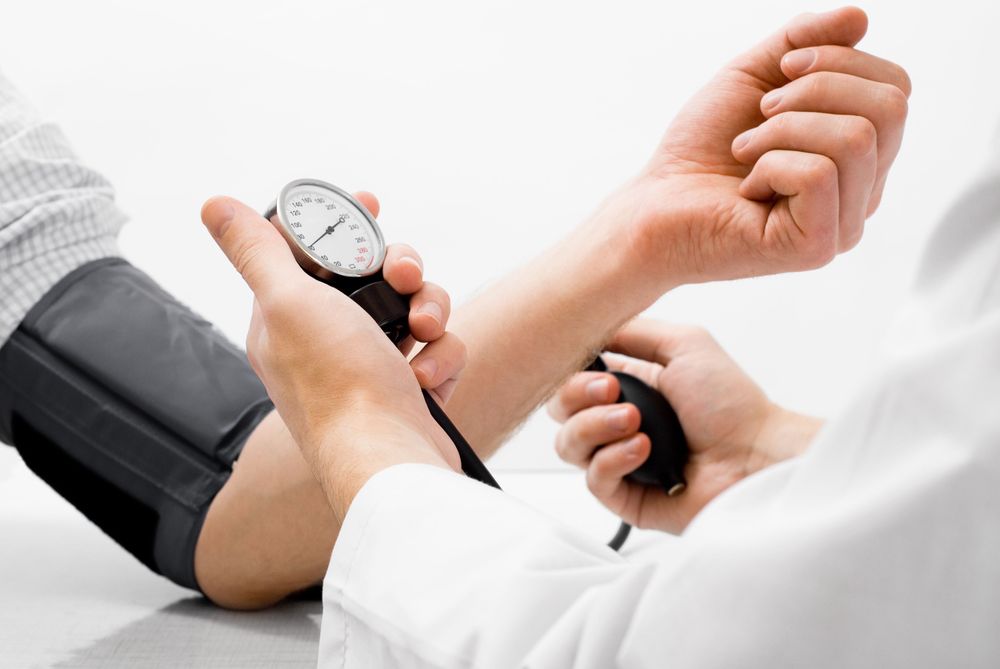
- Blood pressure
Rather than focusing on a single area, a comprehensive health assessment can provide insight into multiple aspects of your health at the same time.
How your health can change in a year
A year may seem like a short period of time, but many health markers can change significantly during that time.
Changes in weight, diet, exercise habits, stress levels, sleep quality and age can all influence the body's systems.
For example, cholesterol levels, blood pressure and blood sugar markers may change in response to lifestyle habits. Hormone levels can fluctuate naturally with age.
Inflammatory markers may also vary depending on health and lifestyle factors.
Monitoring these changes over time can help you understand how your body is responding to different influences and whether any trends are emerging.
Benefits of having an annual health assessment
There are several reasons why some people choose to have a health assessment every year.
Tracking changes in key health markers One of the biggest advantages of annual assessments is the ability to compare results over time. A single result provides a snapshot. Multiple assessments can help reveal patterns and trends that may offer a deeper understanding of your health.
Tracking markers year after year can help you see whether values are remaining stable, improving or changing.
Building a clearer picture of your health Health is influenced by many factors working together. Looking at multiple health markers regularly can provide a broader view of your wellbeing and help you understand how different aspects of your health may be connected.
Supporting healthy lifestyle choices Many people find that having access to their health information motivates positive lifestyle changes.
Whether your goal is to improve fitness, lose weight, manage stress or improve your diet, regular assessments can help you monitor progress and stay focused on your wellbeing goals.
Identifying potential concerns earlier Regular assessments can sometimes highlight changes in health markers that may warrant further investigation or discussion with a healthcare professional.
Being aware of changes allows you to seek appropriate advice if needed and make informed decisions about your health.
Providing reassurance and peace of mind For many people, one of the most valuable benefits is reassurance. Understanding your current health status can provide confidence and peace of mind, particularly if you have concerns about your health or a family history of certain conditions.
Who may benefit from annual health assessments?
There is no single answer when it comes to how often someone should have a health assessment. However, some people may find annual assessments particularly useful.
Adults with busy lifestyles Modern life can make it difficult to prioritise health. Regular assessments can provide an opportunity to check in on your wellbeing and stay informed about important health markers.
People with a family history of certain conditions Those with a family history of cardiovascular disease, diabetes or other health concerns may wish to monitor aspects of their health more closely.
Those managing existing health concerns People who are already focused on managing specific aspects of their health may find regular assessments helpful for tracking progress and monitoring changes.
Anyone interested in preventative health Many people simply want a better understanding of their health and wellbeing. Annual assessments can help support a proactive approach to staying informed.
Is once a year the right frequency?
The ideal frequency will vary from person to person.
For some people, an annual health assessment provides a practical balance between monitoring health and tracking meaningful changes over time.
Others may choose to have assessments more or less frequently depending on their circumstances, personal goals and healthcare needs.
The most important factor is choosing an approach that helps you stay informed and engaged with your health.
What health markers are commonly included in a health assessment?
The specific tests included will depend on the assessment chosen.
Comprehensive health assessments often include markers relating to:
- Cardiovascular health
- Cholesterol
- Diabetes risk
- Liver and kidney function
- Inflammation
- Body measurements
- Blood pressure
- Hormones and wellbeing
Together, these markers can provide valuable insight into different areas of health and help create a more complete picture of overall wellbeing.
Getting the most from your health assessment
A health assessment is most useful when viewed as part of a wider approach to wellbeing.
To get the greatest value from your results, it can help to:
- Review results regularly
- Track changes over time
- Discuss any concerns with a healthcare professional
- Use the information to support healthy lifestyle choices
- Stay consistent with your health goals
Small changes made consistently can have a significant impact on long-term wellbeing.
Take control of your health with Bluecrest Wellness
Our private health assessments are designed for busy people who want to take a proactive approach to their health. Quick, convenient and designed to fit around your lifestyle, they provide valuable insight into key areas of your wellbeing without long waiting times or unnecessary hassle.
From evaluating liver and kidney function to assessing heart health, cholesterol levels and diabetes risk, our health assessments cover a wide range of important health markers. We also offer tests for inflammation, hormones and other indicators, helping you build a more complete picture of your health.
All assessments are carried out by trained health assessment specialists at more than 350 venues across the UK and Ireland, with most people able to find a location within 20 minutes of home. Results are reviewed by healthcare professionals and presented in an easy-to-understand report, giving you clear information about your health.
Explore our packages and book online today.
Need help? Call free on
0800 652 2183 to speak to one of our team.

Dr Martin Thornton
Chief Medical Officer, Bluecrest
Anna Jones
Chief Nursing Officer, Bluecrest