What health checks should I get in my 50s?
Your 50s can be an important decade for your health. While many people continue to lead active and busy lives, the risk of certain health conditions increases with age, making regular health checks more valuable than ever.
Conditions such as high blood pressure, high cholesterol, type 2 diabetes and some forms of heart disease often develop gradually and may not cause noticeable symptoms in their early stages. Regular health checks can help identify potential concerns early and provide a clearer picture of your overall wellbeing.
Understanding which health checks to prioritise in your 50s can help you take a proactive approach to maintaining your health for years to come.
Why health checks matter in your 50s
As we age, our bodies naturally change. Metabolism may slow, hormone levels can fluctuate and the cumulative effects of lifestyle factors such as diet, exercise, stress and sleep become more apparent.
Many health conditions associated with later life begin developing during the 50s, often without obvious warning signs. This means that regular health checks can play an important role in identifying risk factors before they become more serious problems.
Health assessments can also provide reassurance and help you track important changes over time.
Blood pressure checks
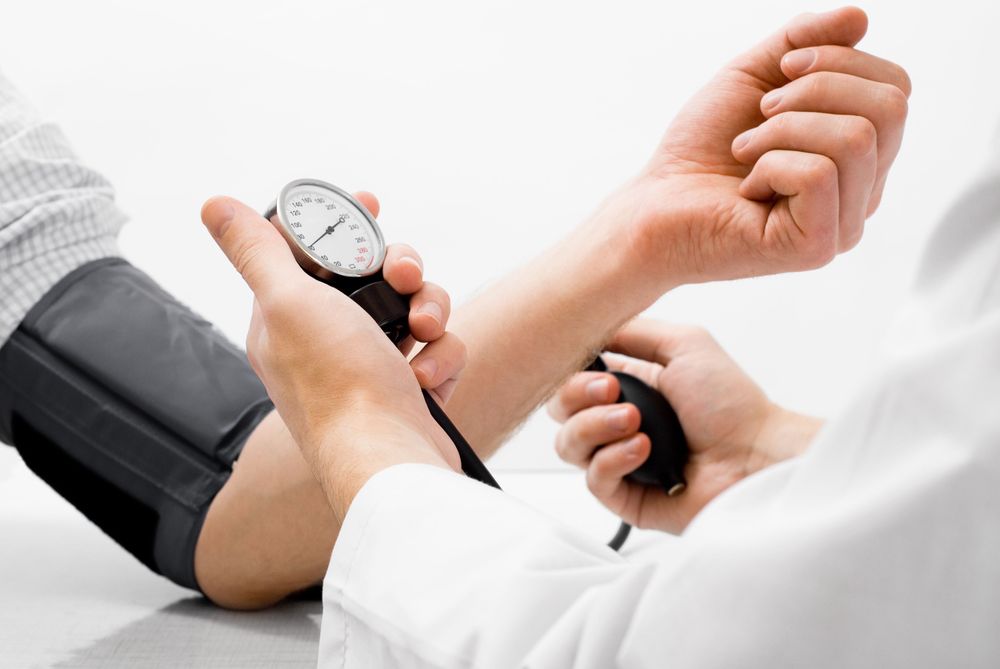
High blood pressure is one of the most common health concerns among adults in the UK.
Often referred to as a silent condition, it rarely causes symptoms but can increase the risk of heart disease, stroke and kidney disease if left unmanaged.
Regular blood pressure monitoring can help identify elevated readings early and support timely lifestyle changes or medical advice where needed.
Cholesterol testing
Cholesterol levels can rise as we get older, increasing the risk of cardiovascular disease.
A cholesterol test measures different types of cholesterol in the blood and helps assess your overall heart health risk.
Because high cholesterol does not usually cause symptoms, routine testing is often the only way to know whether your levels are within the recommended range.
Diabetes risk screening
The risk of developing type 2 diabetes increases with age, particularly if there is a family history of the condition or other risk factors such as excess weight and inactivity.
Tests such as HbA1c can provide an indication of average blood sugar levels over the previous two to three months and may help identify people at risk before symptoms develop.
Early awareness often allows for lifestyle changes that can make a significant difference.
Heart health assessments
Heart health becomes increasingly important during your 50s.
Alongside blood pressure and cholesterol testing, broader cardiovascular assessments can help build a more complete picture of your heart health and identify risk factors that may benefit from further monitoring.
Understanding your cardiovascular health can help support long-term wellbeing and healthy ageing.
Liver and kidney function tests
Your liver and kidneys play vital roles in filtering waste products, processing nutrients and supporting overall health.
Many liver and kidney conditions do not cause symptoms until they are more advanced, which is why routine testing can be valuable.
Blood tests can help assess how well these organs are functioning and identify abnormalities that may require further investigation.
Weight and metabolic health checks
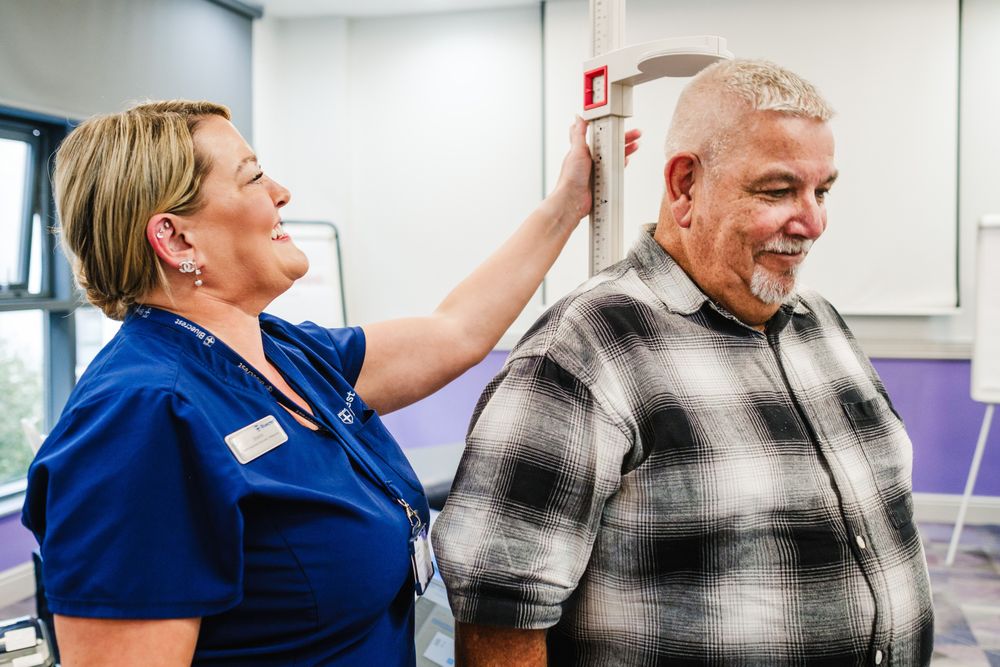
Maintaining a healthy weight can become more challenging during your 50s due to changes in H2 metabolism, activity levels and lifestyle.
Monitoring weight alongside other metabolic health markers can provide useful insight into overall health and help identify areas where changes may be beneficial.
Hormone testing
Hormonal changes can become more noticeable during this stage of life.
For women, perimenopause and menopause can bring a wide range of symptoms, including hot flushes, sleep disturbances, mood changes and irregular periods. For men, hormone levels may also change gradually with age, potentially affecting energy levels, mood and wellbeing.
Hormone testing can provide additional information when investigating symptoms or monitoring hormonal health.
Inflammation testing
Chronic inflammation has been linked to a range of health conditions, including cardiovascular disease and some long-term illnesses.
While inflammation itself is a natural part of the body's immune response, persistently elevated inflammation markers may warrant further attention.
Testing can help identify whether inflammation is present and provide useful information alongside other health markers.
Cancer risk assessments
Many people become increasingly aware of cancer risk as they enter their 50s.
While private health checks do not diagnose cancer, some assessments may include tests that identify risk factors or findings that could require further investigation. It is also important to attend any NHS screening programmes you are eligible for and discuss any concerning symptoms with a GP.
How often should you have a health check in your 50s?
The right frequency depends on your health, family history and personal preferences.
Many people choose to have a health assessment annually so they can monitor important health markers and identify changes over time. Others may decide on a different schedule based on their circumstances.
The most important thing is maintaining a consistent approach to understanding and monitoring your health.
Taking control of your health in your 50s
Your 50s can be an ideal time to focus on prevention, monitoring and long-term wellbeing.
Regular health checks can help you understand your current health, identify potential risk factors and make informed decisions about lifestyle changes that support healthy ageing.
Even if you feel well, understanding what is happening beneath the surface can provide valuable reassurance and insight.
Health assessments with Bluecrest Wellness
At Bluecrest Wellness, our private health MOTs are designed for busy people who want to take control of their health. Our tests are quick, accurate, convenient and completely stress free.
From evaluating liver and kidney function to assessing heart health, cholesterol levels, diabetes risk and many other important health markers, our health assessments provide a comprehensive overview of your wellbeing.
Trained health assessment specialists carry out tests at more than 350 locations across the UK and Ireland, helping you access professional health checks close to home.
Our health assessments can help you take a proactive approach to monitoring your health throughout your 50s and beyond.
Need help? Call free on
0800 652 2183 to speak to one of our team.

Dr Martin Thornton
Chief Medical Officer, Bluecrest
Anna Jones
Chief Nursing Officer, Bluecrest