Can I exercise or drink coffee before a health check blood test and will it affect my results?
Preparing for a health check blood test often raises questions about what you can and cannot do beforehand. Two of the most common are whether it's okay to exercise before your appointment and whether you can still have your morning coffee.
The answer depends on the type of test you are having. While moderate activity and caffeine are part of many people's normal routine, both can affect certain health markers and potentially influence your results.
Understanding how exercise and coffee can affect blood tests can help ensure your results provide the most accurate picture of your health.
Can exercise affect blood test results?
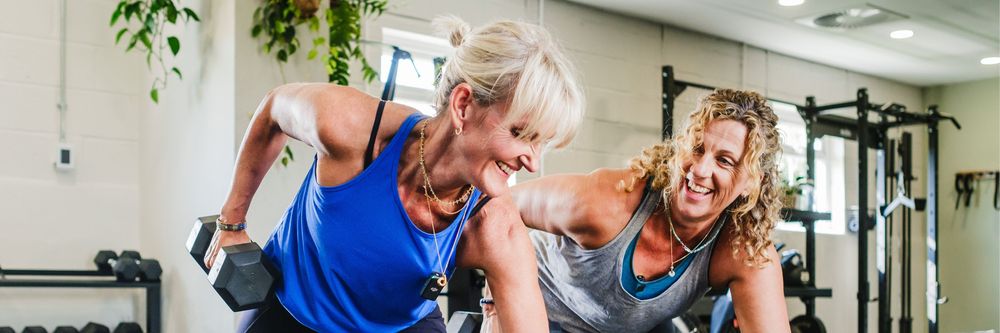
Yes, exercise can influence some blood test results, particularly if it is vigorous or performed shortly before your appointment.
Physical activity causes temporary changes in the body as it responds to increased demand. This can affect a variety of health markers, including:
- Blood sugar levels
- Cholesterol and triglyceride levels
- Inflammation markers
- Liver function markers
- Muscle-related enzymes
- Hydration levels
In many cases, these changes are temporary and return to normal after a period of rest.
Should I avoid exercise before a blood test?
If you have been given specific preparation instructions, you should follow them carefully.
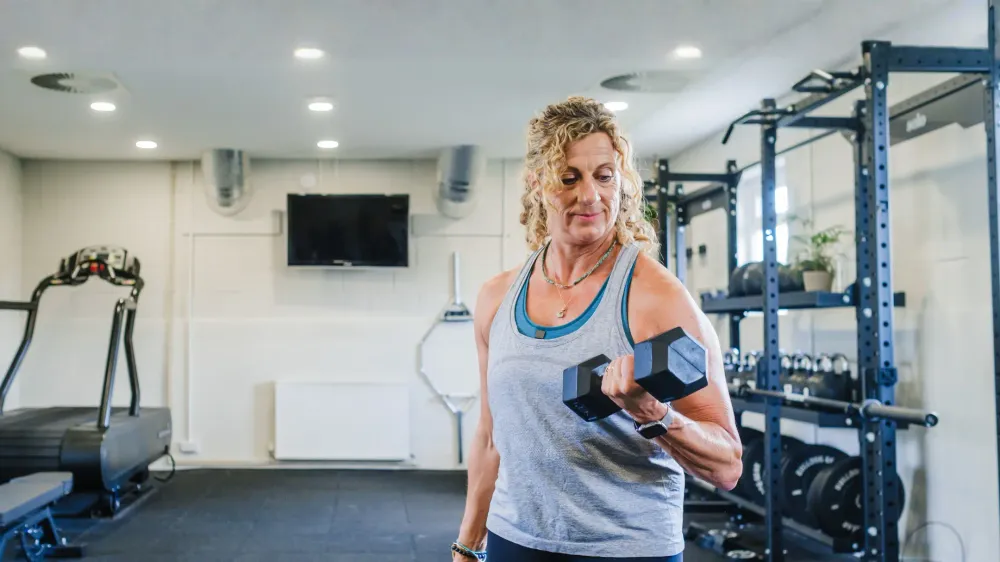
As a general rule, it is often sensible to avoid intense exercise immediately before a blood test. Activities such as running, high-intensity interval training, heavy weightlifting or long endurance sessions may temporarily affect certain results.
Normal daily activities such as walking, climbing stairs or gentle movement are usually not a concern.
If you exercise regularly, it can be helpful to maintain your usual routine in the days leading up to your appointment rather than making sudden changes.
Can coffee affect blood test results?
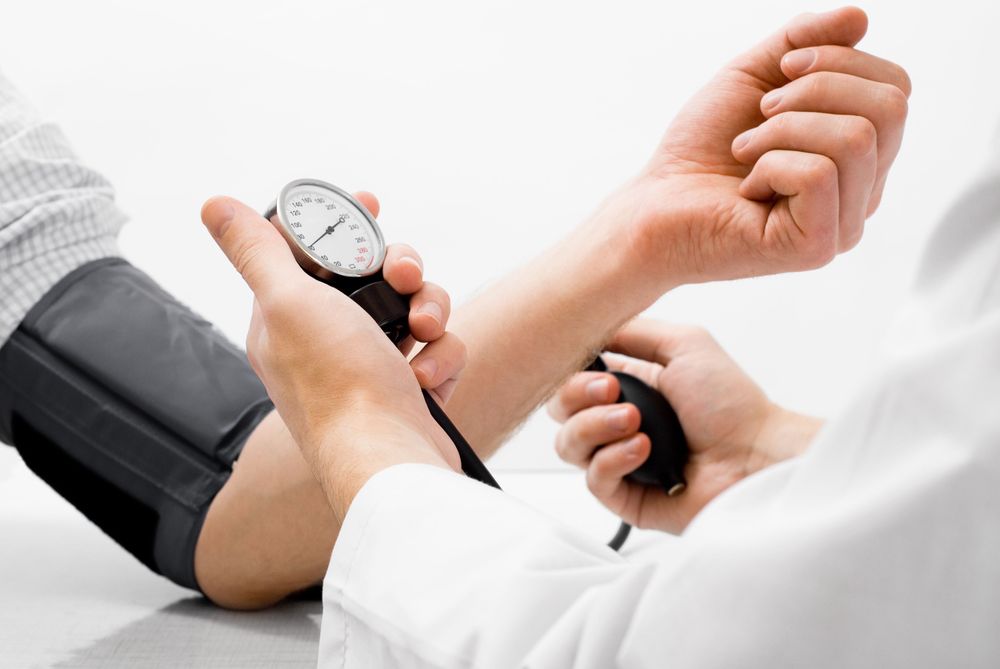
Coffee can affect some blood test results, particularly if your test requires fasting.
Caffeine can temporarily influence:
- Blood sugar levels
- Blood pressure
- Heart rate
- Hydration status
Even black coffee contains compounds that may affect certain measurements, which is why many fasting instructions recommend consuming only water before a test.
Can I drink coffee before a fasting blood test?
If you have been told to fast before your blood test, it is generally best to avoid coffee unless your instructions specifically state otherwise.
Water is usually the only drink permitted during a fasting period.
Drinking coffee before a fasting test could affect the accuracy of some results, particularly those related to blood glucose and metabolic health.
What if my test does not require fasting?
If fasting is not required, having your usual cup of coffee may not be a problem.
However, because caffeine can temporarily raise blood pressure and affect other measurements, it is worth checking any instructions provided before your appointment.
If you are unsure, it is always best to ask beforehand.
What other things can affect blood test results?
Exercise and coffee are not the only factors that can influence blood test results.
Other factors may include:
- Recent illness
- Stress
- Alcohol consumption
- Smoking
- Sleep quality
- Medication
- Supplements
- Hydration levels
This is one reason why healthcare professionals consider your overall circumstances rather than relying on a single result in isolation.
What should I do on the day of my appointment?
The best approach is usually to follow the preparation instructions provided with your booking.
If fasting is required:
- Drink water as instructed
- Avoid coffee, tea and other drinks unless advised otherwise
- Avoid strenuous exercise beforehand
If fasting is not required:
- Follow your normal routine unless instructed differently
- Stay hydrated
- Inform the health assessment specialist about any medication or supplements you take
Why preparation matters
Blood tests are designed to provide a snapshot of your health at a particular moment in time.
Following the preparation instructions helps ensure that your results reflect your health as accurately as possible and reduces the likelihood of unnecessary repeat testing.
Even small factors such as intense exercise or caffeine consumption can influence certain markers, which is why preparation is an important part of the process.
Your health assessment with Bluecrest Wellness
At Bluecrest Wellness, you'll receive clear instructions before your appointment so you know exactly how to prepare for your tests.
Our trained health assessment specialists carry out appointments at more than 350 locations across the UK and Ireland, helping make health assessments convenient and accessible.
By following the guidance provided before your appointment, you can feel confident that your results will provide a useful and accurate picture of your health and wellbeing.
Need help? Call free on
0800 652 2183 to speak to one of our team.

Dr Martin Thornton
Chief Medical Officer, Bluecrest
Anna Jones
Chief Nursing Officer, Bluecrest