What is Inflammation? Causes, Symptoms and How It Affects Health
Inflammation is often talked about as something negative, but it's actually a normal and important part of how the body protects itself.
When you cut your finger, catch a virus or sprain an ankle, inflammation helps your body respond to injury and begin the healing process. Without it, recovering from illness or injury would be much more difficult.
However, inflammation doesn't always switch off when it's supposed to. In some cases, it can persist for months or even years, potentially contributing to a range of health concerns.
Understanding what inflammation is, why it happens and how it affects the body can help you make more informed decisions about your health.
Why inflammation happens in the body
Inflammation is the body's natural response to injury, infection or irritation.
When your immune system detects something that could be harmful, such as bacteria, viruses or damaged tissue, it releases chemicals that trigger an inflammatory response.
This response helps:
- Protect the body from infection
- Remove damaged cells
- Promote healing
- Support recovery after injury
Inflammation is therefore not something the body does by mistake. It is a normal part of maintaining health and responding to potential threats.
What happens during inflammation?
When inflammation occurs, the immune system increases blood flow to the affected area and sends white blood cells to help fight infection or repair damage.
This process can cause symptoms such as:
- Redness
- Swelling
- Warmth
- Pain or tenderness
- Reduced movement in the affected area
For example, if you twist your ankle, the swelling and tenderness you experience are signs that inflammation is helping the body heal.
Acute vs chronic inflammation
There are two main types of inflammation: acute and chronic.
Acute inflammation is short term and usually develops quickly in response to an injury or illness.
Common examples include:
- A cut or scrape
- A sprained ankle
- A sore throat
- An infection
- Recovery after surgery
Acute inflammation typically resolves once the body has dealt with the problem and healing has begun.
Chronic inflammation develops when the inflammatory response continues for a prolonged period. Sometimes this happens because the body is repeatedly exposed to a trigger. In other cases, the immune system may remain active even when there is no obvious threat.
Chronic inflammation may persist for months or years and can affect different parts of the body Because it often develops gradually, many people are unaware it may be present.
What causes inflammation?
Many different factors can trigger inflammation.
- Some of the most common include:
- Bacterial, viral and fungal infections can all activate the body's inflammatory response.
- Physical injuries such as cuts, burns and sprains trigger inflammation as part of the healing process.
- Certain autoimmune conditions cause the immune system to mistakenly attack healthy tissues, leading to ongoing inflammation.
Some lifestyle habits may contribute to inflammation over time, including:
- Smoking
- Lack of physical activity
- Chronic stress
- Poor sleep
- Excessive alcohol consumption
Research suggests that excess body fat may contribute to low-grade inflammation throughout the body.
What are the symptoms of inflammation?
Symptoms depend on whether the inflammation is acute or chronic.
Symptoms of acute inflammation Acute inflammation often causes noticeable symptoms such as:
- Redness
- Swelling
- Pain
- Warmth
- Temporary loss of function
These symptoms are usually linked to a specific injury or illness.
Symptoms of chronic inflammation Chronic inflammation can be harder to identify because symptoms are often more general. Some people may experience:
- Fatigue
- Low energy levels
- Joint discomfort
- Muscle aches
- Digestive symptoms
- Frequent illness
- Difficulty concentrating
These symptoms can be associated with many different health conditions, which is why testing may sometimes be useful.
Why is inflammation important?
Inflammation is essential for survival.
Without an inflammatory response, the body would struggle to:
- Fight infections
- Heal wounds
- Repair damaged tissue
- Recover from injury
The goal is not to eliminate inflammation altogether. Instead, it's about maintaining a healthy balance where the body can respond appropriately when needed.
Can inflammation be measured?
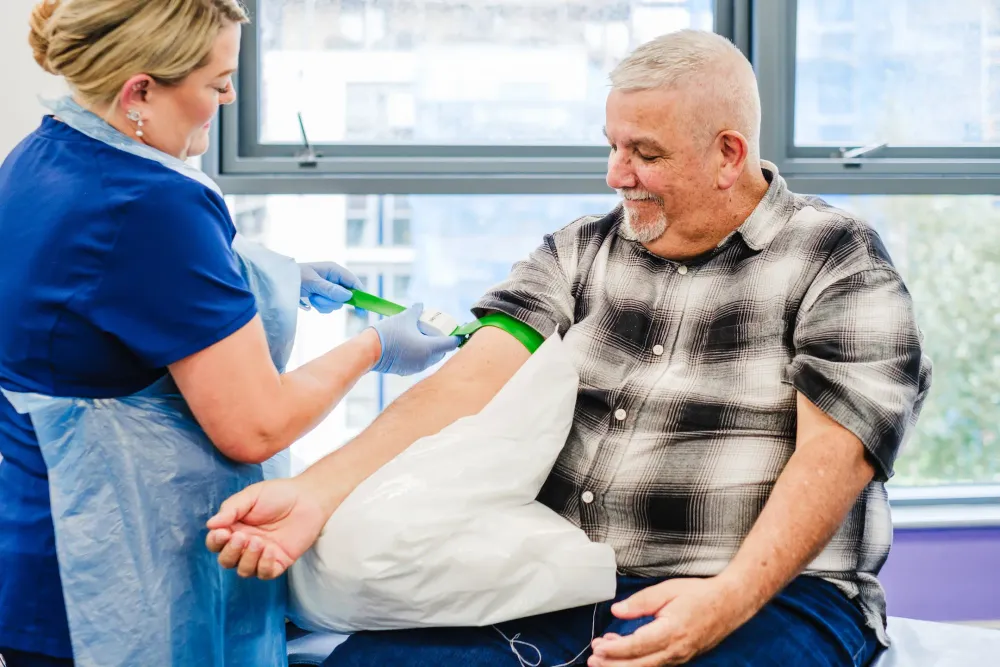
Inflammation can sometimes be assessed through blood testing.
Certain blood markers can provide insight into levels of inflammation within the body.
One commonly measured marker is C-reactive protein (CRP), which can increase when inflammation is present.
While a raised inflammatory marker does not diagnose a specific condition, it can provide useful information when considered alongside other health data and symptoms.
Understanding your inflammation levels
Because inflammation can be linked to a wide range of factors, it can be difficult to know what's happening inside the body based on symptoms alone.
Testing may help provide additional information about your overall health and wellbeing.
The Bluecrest Wellness Inflammatory Profile measures CRP using a high-sensitivity C-reactive protein (hs-CRP) test, a marker that can help assess levels of inflammation within the body.
Results can be viewed alongside other health information to provide a broader picture of your wellbeing.
Supporting a healthy inflammatory response
While inflammation is a natural process, there are several lifestyle habits that may help support overall health and wellbeing.
These include:
- Eating a balanced diet
- Staying physically active
- Prioritising sleep
- Managing stress where possible
- Avoiding smoking
- Limiting excessive alcohol consumption
Small, sustainable lifestyle changes can often have a positive impact on overall health.
Learn more about your health with Bluecrest Wellness
Understanding what's happening inside your body can help you make more informed decisions about your health.
The Inflammatory Profile can provide valuable insight into levels of inflammation and may help build a broader picture of your overall wellbeing when viewed alongside other health information. The Inflammatory Profile can be added to any of our full-body private health assessments. Simply choose your package and call us to add it on.