What health checks should I get in my 40s?
Your 40s can be a busy decade. Between work, family and everyday responsibilities, it's easy to put your own health on the back burner.
However, many of the health conditions that become more common later in life can begin developing silently during your 40s. High cholesterol, high blood pressure and type 2 diabetes often have no obvious symptoms in their early stages, which is why regular health checks can be so valuable.
Knowing which health checks to prioritise can help you stay informed, identify potential issues earlier and make positive changes where needed.
Why health checks become more important in your 40s
As we get older, our risk of certain health conditions naturally increases. Lifestyle factors such as diet, exercise, stress levels and sleep can also begin to have a greater impact on long-term health.
Many people still feel fit and well in their 40s, which is why health checks are often less about investigating symptoms and more about understanding what is happening behind the scenes.
Regular monitoring can help establish a baseline, track changes over time and highlight areas that may benefit from attention before symptoms develop.
Blood pressure checks
High blood pressure is one of the most common health concerns in the UK.
Often referred to as a "silent" condition, it rarely causes noticeable symptoms in its early stages. Left unmanaged, it can increase the risk of heart disease, stroke and other health problems.
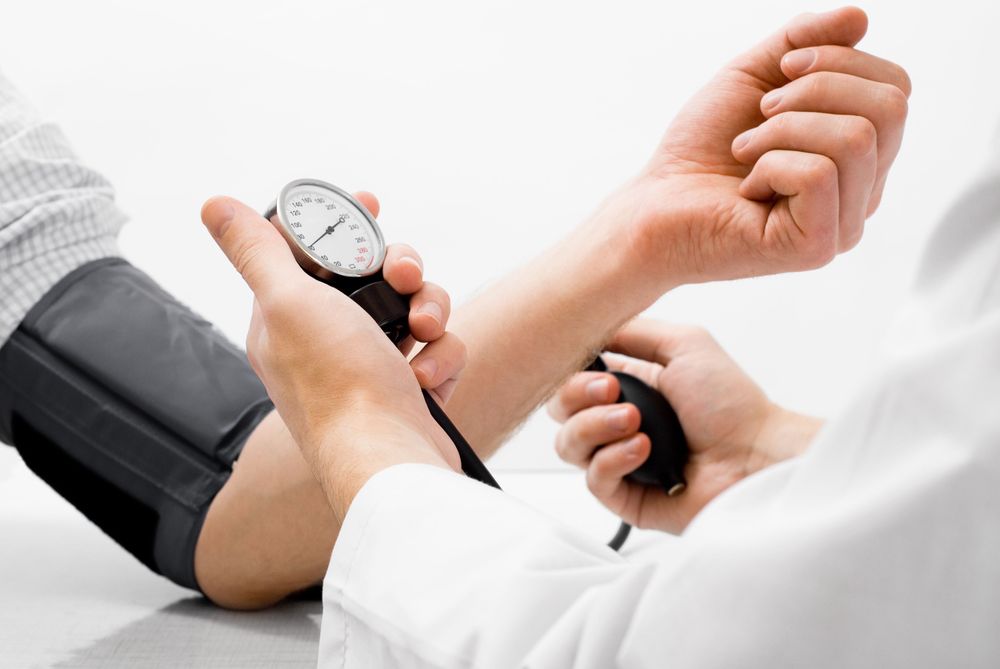
Regular blood pressure checks cn help identify elevated readings early and allow you to take steps to manage them.
Cholesterol testing
Cholesterol levels can gradually increase with age, particularly if there is a family history of heart disease or other cardiovascular conditions.
A cholesterol test measures different types of cholesterol and can help assess your risk of developing heart and circulatory diseases.
Because high cholesterol does not usually cause symptoms, testing is often the only way to know whether your levels are higher than recommended.
Diabetes risk assessment
Type 2 diabetes becomes more common as people get older, particularly among those who are overweight, inactive or have a family history of the condition.
Tests such as HbA1c can provide an indication of your average blood sugar levels over the previous few months and help identify whether you may be at risk of developing diabetes.
Early identification often provides an opportunity to make lifestyle changes before the condition progresses.
Weight and body composition measurements
Maintaining a healthy weight can become more challenging during your 40s due to changes in metabolism, activity levels and lifestyle.
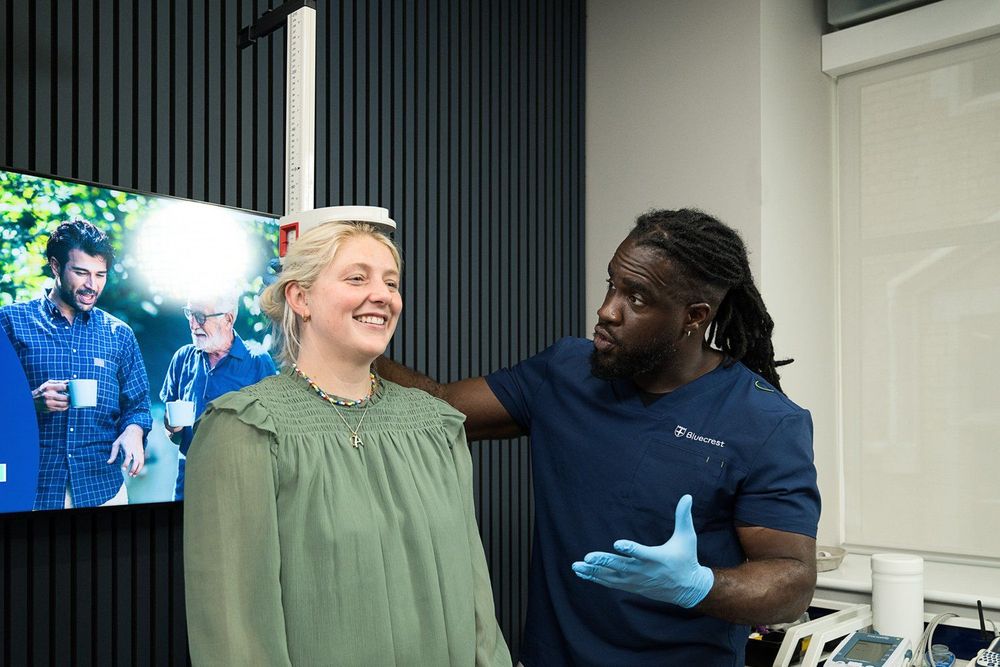
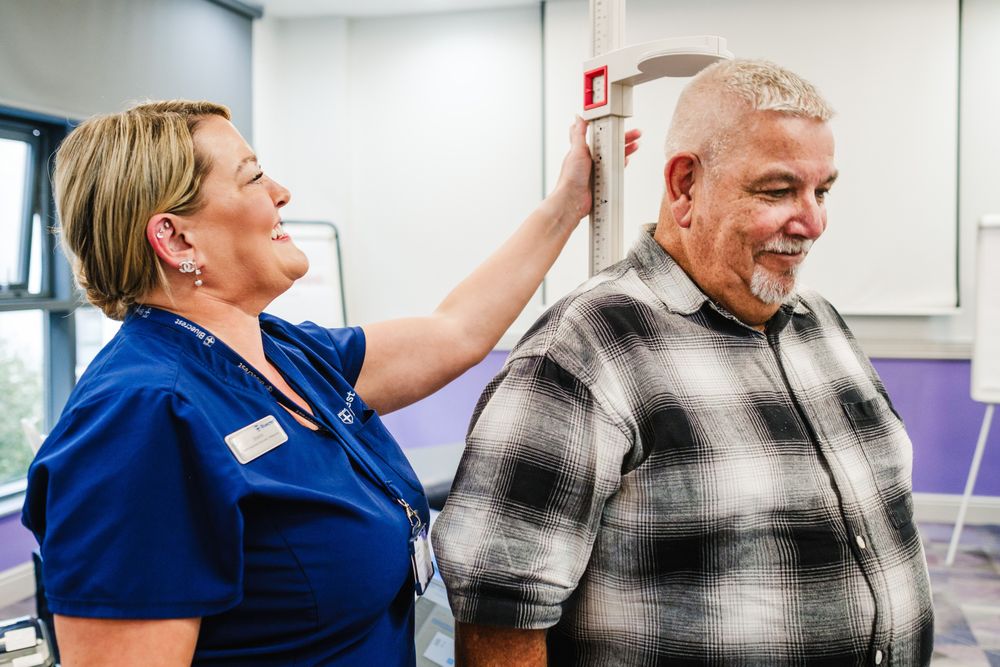
Monitoring your weight and body measurements can help you understand whether changes are occurring gradually over time and whether any adjustments may be beneficial.
These measurements are often most useful when considered alongside other health markers rather than in isolation.
Liver and kidney function tests
Your liver and kidneys perform vital roles in filtering waste products and supporting overall health.
Many liver and kidney conditions develop without obvious symptoms in their early stages, making routine testing a useful way to monitor how these organs are functioning.
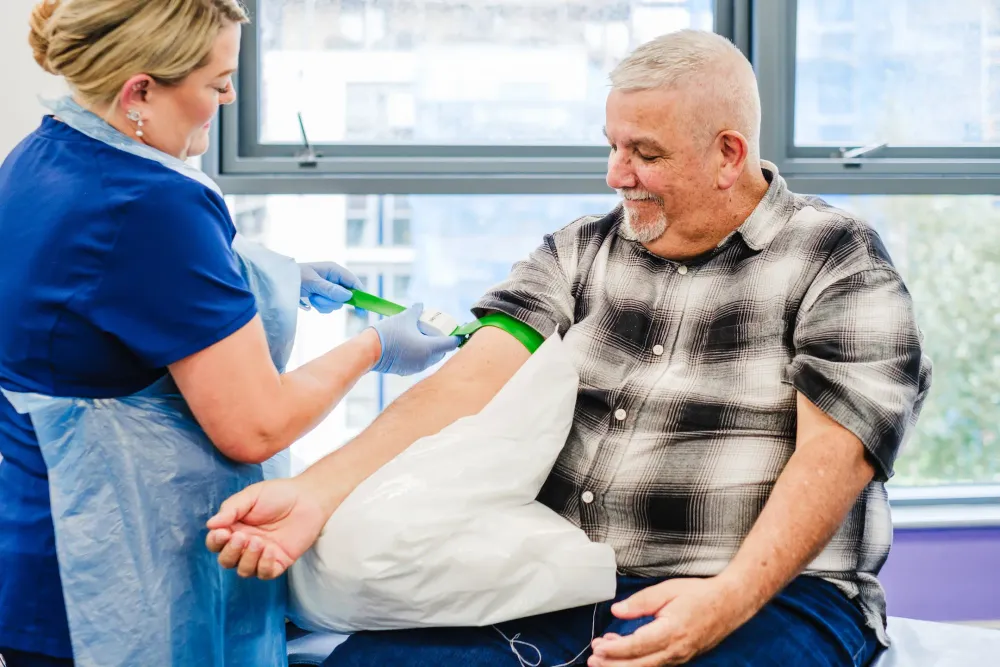
Blood tests can provide valuable insight and help identify abnormalities that may require further investigation.
Heart health assessments
Cardiovascular health becomes increasingly important during your 40s.
Alongside blood pressure and cholesterol testing, some health assessments include additional measures that help build a broader picture of heart health. Understanding your cardiovascular risk factors can help you make informed decisions about lifestyle and long-term wellbeing.
Hormone testing
Hormonal changes can become more noticeable during your 40s for both women and men.
Women may begin experiencing symptoms associated with perimenopause, while men may notice changes in energy levels, mood or overall wellbeing.
Hormone testing can provide useful information about your current hormone levels and help explain symptoms that may otherwise be difficult to understand.
Cancer risk assessments
Awareness of cancer risk often becomes a greater priority during your 40s.
While most health checks do not diagnose cancer, some assessments can identify risk factors or findings that may warrant further investigation.
Understanding your family history, attending appropriate screening appointments and speaking to a healthcare professional about any symptoms remain important parts of maintaining your health.
How often should you have a health check in your 40s?
There is no single answer that applies to everyone.
Some people choose to have a health assessment every year so they can monitor changes over time and track important health markers. Others may choose to have checks less frequently depending on their health, family history and personal circumstances.
The most important thing is having a consistent approach that allows you to stay informed about your health.
Taking a proactive approach to your health
Your 40s can be an ideal time to take stock of your health and wellbeing.
Regular health checks can help you understand key health markers, identify potential risk factors and make informed decisions about lifestyle changes that support long-term health.
Even if you feel perfectly well, monitoring your health can provide reassurance and help you spot changes that might otherwise go unnoticed.
Health assessments with Bluecrest Wellness
At Bluecrest Wellness, our private health MOTs are designed for busy people who want to take control of their health. Our tests are quick, accurate, convenient and completely stress free.
From evaluating liver and kidney function to assessing heart health, cholesterol levels, diabetes risk and many other important health markers, our health assessments provide a comprehensive overview of your wellbeing.
Trained health assessment specialists carry out all tests at more than 350 locations across the UK and Ireland, helping you access professional health checks close to home.
Our health assessments can help you take a proactive approach to understanding and monitoring your health throughout your 40s and beyond.
Need help? Call free on
0800 652 2183 to speak to one of our team.

Dr Martin Thornton
Chief Medical Officer, Bluecrest
Anna Jones
Chief Nursing Officer, Bluecrest