Do You Need to Fast for a Female Hormone Blood Test?
If you're planning to have a female hormone blood test, it's natural to wonder whether there are any preparations you need to make beforehand. One of the most common questions people ask is whether fasting is required.
The good news is that for most female hormone blood tests, fasting is not usually necessary. However, timing can sometimes be important, particularly when testing hormones that naturally fluctuate throughout the day or during the menstrual cycle.
Understanding what to expect before your appointment can help ensure you get the most meaningful insights from your results.
What is a female hormone blood test?
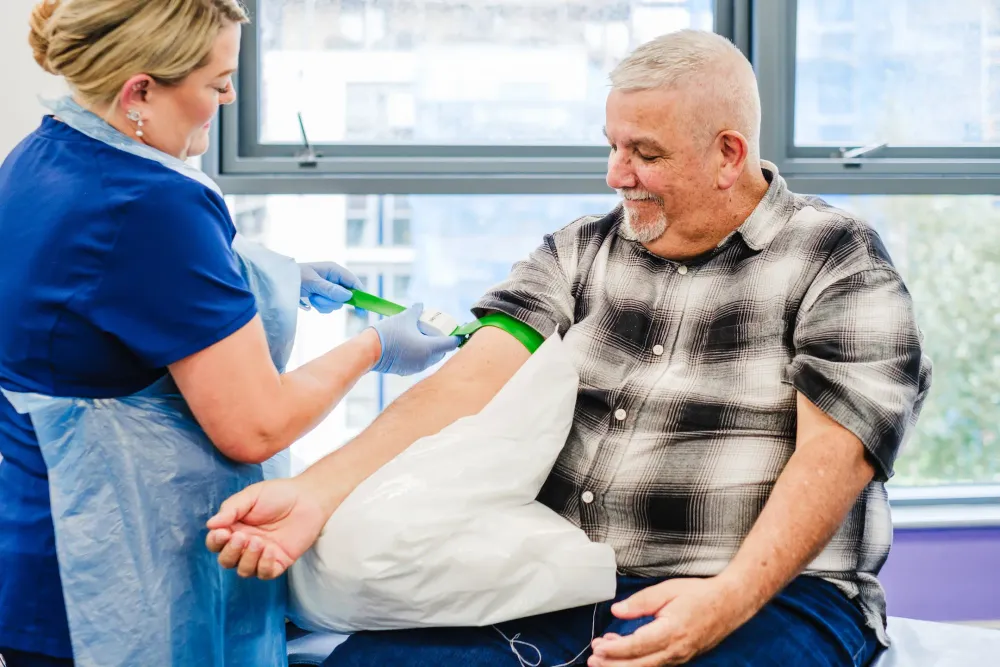
A female hormone blood test female hormone blood test measures the levels of hormones circulating in your bloodstream.
Hormones act as chemical messengers that help regulate many important functions throughout the body, including:
- Menstrual cycles
- Fertility
- Mood
- Energy levels
- Sleep
- Metabolism
- Libido
- Menopause symptoms
Because hormones influence so many aspects of wellbeing, testing can provide valuable insight into symptoms that may otherwise be difficult to explain. Common hormones measured in female hormone profiles include:
- Oestrogen
- Testosterone
- Follicle stimulating hormone (FSH)
- Luteinising hormone (LH)
The hormones tested may vary depending on the profile you choose and the symptoms you're experiencing.
Do you need to fast before a female hormone blood test?
In most cases, no. Unlike some blood tests that measure glucose or cholesterol, female hormone blood tests generally do not require fasting beforehand. For example, fasting is not required for the Bluecrest Wellness Advanced Menopause Profile.
This means you can usually eat and drink as normal before your appointment unless you've been given different instructions.
If you're unsure whether any preparation is needed, it's always worth checking the information provided before your test.
Can food affect hormone test results?
For most hormone tests, food has very little impact on the results.
Hormone levels are more likely to be influenced by factors such as:
- Age
- Menstrual cycle stage
- Stress
- Sleep quality
- Exercise habits
- Menopause status
These factors often provide more context than whether you've recently eaten a meal.
This is one reason why fasting is not typically required before hormone testing.
Does the timing of a hormone test matter?
Yes, timing can sometimes be important. Certain hormones naturally fluctuate throughout the day. Testosterone, for example, is usually highest in the morning. Because the Bluecrest Wellness Advanced Menopause Profile includes testosterone testing, appointments should be carried out before 11am.
This helps ensure the results are interpreted at a time when hormone levels are most consistent and clinically useful.
When is the best time to take the Advanced Menopause Profile?
The best timing depends on whether you're still having periods. If you're still menstruating, Bluecrest Wellness recommends taking the Advanced Menopause Profile on day 3 of your menstrual cycle, with day 1 being the first day of bleeding.
This helps provide a clearer picture of key hormone levels and makes the results easier to interpret.
If you haven't had a period for more than two to three months, the test can be taken on any day.
Regardless of where you are in your cycle, appointments should be booked before 11am because the profile includes testosterone testing.
Why timing matters for hormone testing
Hormone levels are not static. Many hormones naturally rise and fall throughout life, throughout the month and even throughout the day. For women, hormone levels can also change significantly during:
- Perimenopause
- Menopause
- Pregnancy
- Monthly menstrual cycles
This is why healthcare professionals look at your symptoms, age and life stage alongside your results.
A hormone test provides a snapshot of what's happening at that particular point in time, helping to build a clearer overall picture.
Hormone testing during perimenopause and menopause
Hormonal fluctuations are particularly common during perimenopause and menopause.
Many women experience symptoms such as:
- Hot flushes
- Night sweats
- Mood changes
- Brain fog
- Fatigue
- Sleep disturbances
- Changes in libido
- Irregular periods
Because these symptoms can have several possible causes, hormone testing can help provide greater insight into what's happening within your body.
The Bluecrest Wellness Advanced Menopause Profile is designed to assess key hormones associated with menopause and perimenopause, helping you better understand changes that may be affecting your wellbeing.
What should you do before a hormone blood test?
Although fasting is usually not required, there are still a few simple ways to prepare.
Stay hydrated Drinking water before your appointment can make blood collection easier and help you feel more comfortable.
Follow any instructions provided Different tests may have different requirements. Always follow the guidance provided before your appointment.
Make a note of your symptoms Tracking symptoms such as fatigue, mood changes, irregular periods or hot flushes can provide useful context when reviewing your results.
Know where you are in your cycle If you're still menstruating, knowing the day of your cycle can help ensure testing is carried out at the most appropriate time.
Why might someone choose a female hormone blood test?
Many people choose hormone testing because they're looking for answers to symptoms that feel difficult to explain.
Common reasons include:
- Ongoing fatigue
- Changes in mood
- Low libido
- Irregular periods
- Sleep problems
- Symptoms associated with perimenopause or menopause
Others simply want a better understanding of their hormone health and overall wellbeing.
Testing can help provide clarity and support more informed conversations with healthcare professionals.
Understanding your hormone results
There is no single hormone level that is considered perfect for everyone. Hormone levels naturally vary according to:
- Age
- Life stage
- Menstrual cycle
- Individual health circumstances
This is why results are most useful when viewed alongside symptoms and personal health history.
Looking at the wider picture can help you better understand how your hormones may be influencing your wellbeing.
Private hormone testing with Bluecrest Wellness
Bluecrest Wellness offers a range of Hormone Profiles designed to provide insight into key hormones that influence health and wellbeing.
Whether you're experiencing symptoms linked to perimenopause, menopause or broader hormonal changes, these profiles can help you gain a clearer understanding of what's happening within your body.
Results are presented in a clear and easy-to-understand format, helping you make informed decisions about your health.
Need help? Call free on
0800 652 2183 to speak to one of our team.

Dr Martin Thornton
Chief Medical Officer, Bluecrest
Anna Jones
Chief Nursing Officer, Bluecrest