What health checks should I get in my 60s?
Your 60s can be a time to enjoy retirement, travel, spend more time with family or simply focus on living well. Whatever your lifestyle, looking after your health becomes increasingly important as you get older.
Many health conditions become more common during your 60s, including high blood pressure, high cholesterol, type 2 diabetes and heart disease. The good news is that many of these conditions can be monitored through regular health checks, helping you understand your health and identify changes that may require further attention.
Knowing which health checks to prioritise can help you take a proactive approach to maintaining your health and independence.
Why health checks are important in your 60s
As we age, our bodies naturally undergo changes that can affect everything from heart health to metabolism and organ function.
While some health conditions cause noticeable symptoms, others develop gradually and may not become apparent until they are more advanced. Regular health checks can help monitor key health markers and provide valuable information about your overall wellbeing.
Having a baseline and tracking changes over time can also make it easier to understand how your health is changing as you get older.
Blood pressure checks
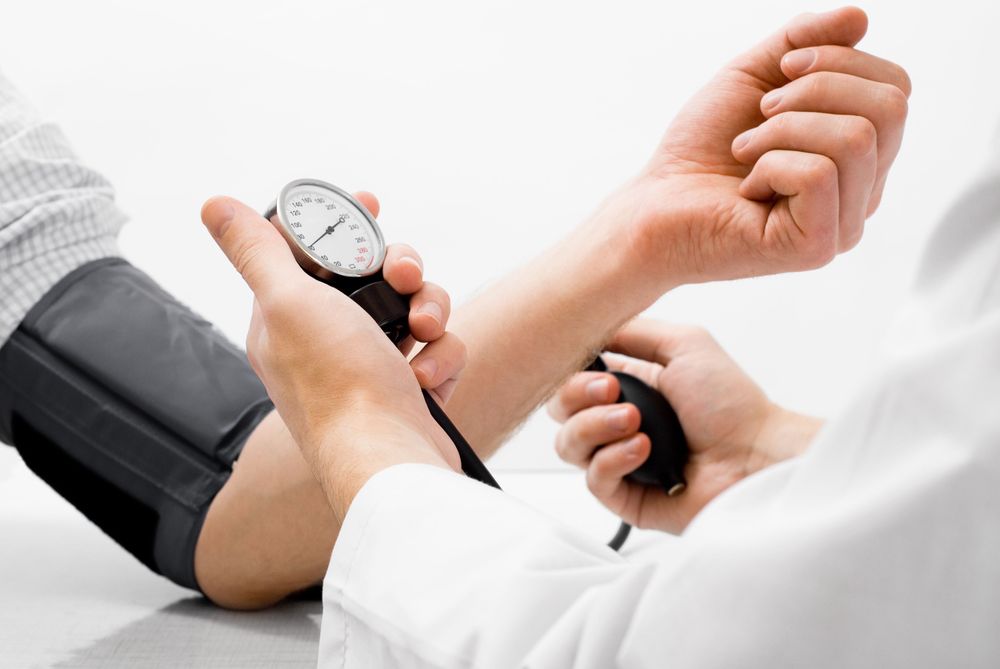
High blood pressure becomes increasingly common with age and is one of the leading risk factors for heart disease and stroke.
Because it often causes no symptoms, regular monitoring is important. Identifying raised blood pressure early allows you to discuss lifestyle changes or treatment options with your healthcare professional if necessary.
Cholesterol testing
Cholesterol levels can increase with age and contribute to the build-up of fatty deposits in the arteries.
A cholesterol test measures different types of cholesterol and helps assess your overall cardiovascular risk.
Routine testing can provide reassurance or identify areas where lifestyle changes or further medical advice may be beneficial.
Diabetes risk screening
The likelihood of developing type 2 diabetes increases as we get older.
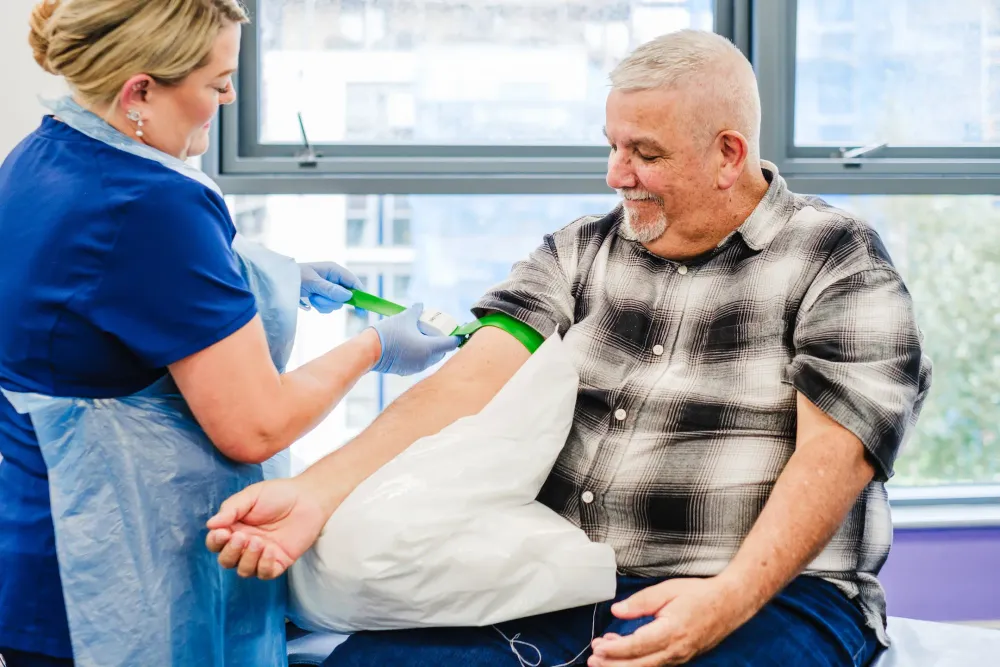
A HbA1c blood test can help assess your average blood sugar levels over the previous two to three months and identify people who may be at increased risk.
Early identification provides an opportunity to make lifestyle changes or seek medical advice before complications develop.
Heart health assessments
Heart health remains one of the most important areas to monitor during your 60s.
Alongside blood pressure and cholesterol testing, broader cardiovascular assessments can provide a more complete understanding of your heart health and any potential risk factors.
Monitoring these markers regularly can help support healthy ageing.
Liver and kidney function tests
Your liver and kidneys continue to play essential roles in maintaining your health throughout later life.
Blood tests can assess how well these organs are functioning and may help identify problems that are not yet causing symptoms.
Routine monitoring becomes increasingly valuable as the risk of certain conditions rises with age.
Bone health and vitamin levels
As people get older, maintaining healthy bones becomes increasingly important.
Vitamin D plays a key role in bone health, while other nutritional markers may provide useful insight into your overall wellbeing.
Although not everyone requires vitamin and mineral tests, they may be worth considering depending on your age, symptoms or individual risk factors.
Hormone health
Hormonal changes continue to affect health during your 60s.
Women who have gone through menopause may still experience symptoms or wish to monitor aspects of their hormonal health, while men may experience gradual hormonal changes that affect energy levels, mood or wellbeing.
Hormone testing may be appropriate for some individuals depending on their symptoms and medical history.
Inflammation testing
Persistent inflammation has been associated with a number of long-term health conditions, including cardiovascular disease.
Testing inflammation markers can provide additional information about your health when interpreted alongside other results.
It is not used to diagnose a specific condition but may help identify areas that require further investigation.
Cancer risk assessments
Cancer risk naturally increases with age, making awareness and appropriate screening increasingly important.
Private health assessments do not diagnose cancer, but some packages include tests that assess risk factors or identify findings that may require further investigation.
It is also important to attend any NHS screening programmes you are invited to and speak to a GP if you notice any new or unusual symptoms.
How often should you have a health check in your 60s?
There is no single recommendation that suits everyone.
Many people choose to have an annual health assessment to monitor changes over time, while others may have checks more or less frequently depending on their health, family history and advice from healthcare professionals.
Regular monitoring allows trends to be identified rather than relying on a single snapshot.
Taking a proactive approach to healthy ageing
Your 60s are an ideal time to stay engaged with your health.
Regular health checks can help you monitor important health markers, identify potential concerns early and make informed decisions about your wellbeing.
Even if you feel healthy, understanding what is happening beneath the surface can provide reassurance and help support healthy ageing.
Health assessments with Bluecrest Wellness
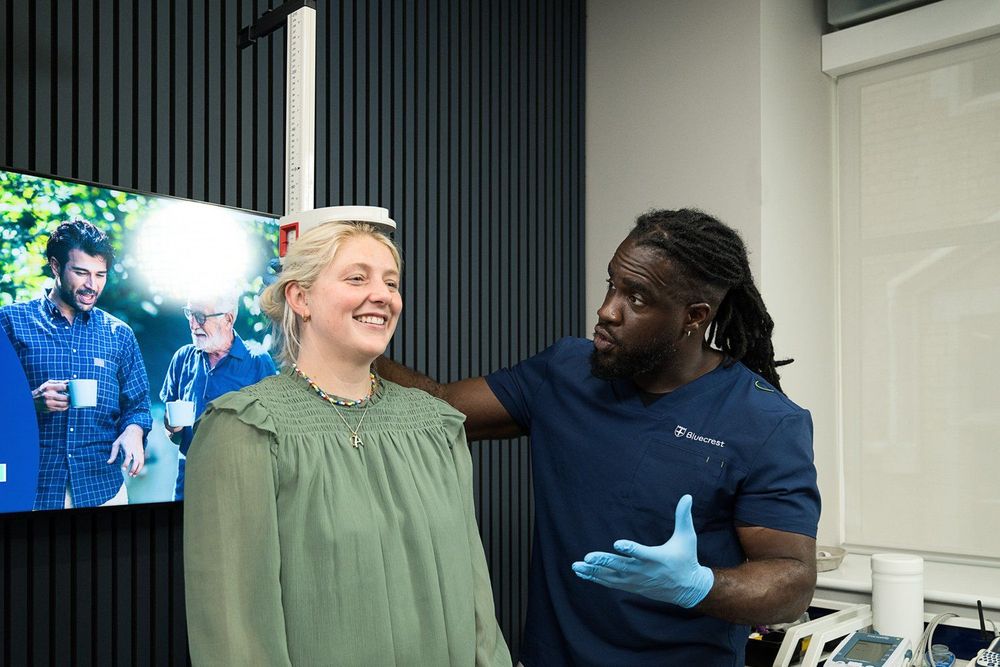
At Bluecrest Wellness, our private health MOTs are designed to help you better understand your health through a comprehensive range of tests.
From heart health, cholesterol and diabetes risk to liver and kidney function, our assessments provide valuable insight into many aspects of your wellbeing.
Appointments are carried out by trained health assessment specialists at more than 350 locations across the UK and Ireland, making it easy to access convenient health checks close to home.
Our health assessments can help you monitor your health, track changes over time and take a proactive approach to healthy ageing throughout your 60s and beyond.
Need help? Call free on
0800 652 2183 to speak to one of our team.

Dr Martin Thornton
Chief Medical Officer, Bluecrest
Anna Jones
Chief Nursing Officer, Bluecrest