Blood test results explained: how to read your report
ArticlesPrivate Health Checks

Blood test results explained: how to read your report

Last updated: 2 November 2026

Blood test results can be difficult to interpret, particularly when you're looking at a report full of numbers, ranges and green, amber or red flags. What does each result actually mean? And why might a Bluecrest result look different from one you received from your GP?

The answer often comes down to reference ranges. Different laboratories and healthcare settings can use different ranges when interpreting the same health marker. Understanding how these ranges work can make your results easier to read and put them into context.

What do blood test results mean?

A blood test measures different markers in your blood. Depending on the test, these might include cholesterol, blood sugar, iron stores, vitamin levels, hormones, liver function or kidney function.

Your result is usually compared with a reference range. This gives you an indication of how your result compares with values considered typical or clinically relevant for the group and testing method being used.

A result outside a reference range does not automatically mean you have a health problem. Equally, a result within a reference range does not necessarily mean there is nothing worth keeping an eye on. Your results need to be considered alongside your symptoms, medical history and other health information.

What is a blood test reference range?

A reference range is a set of values used to help interpret a test result. There isn't one universal reference range for every blood test.

Ranges can vary between laboratories because they may use different testing equipment, methods and reagents. The population and evidence used to establish the range can also differ.

This means that the same numerical result can sometimes appear differently on two reports. That doesn't necessarily mean that one test is wrong.

Reference ranges are also designed for different purposes. In a clinical setting, a range may help identify results that could indicate a health problem requiring further investigation or treatment. Preventative health assessments may use additional evidence to identify results that could be worth monitoring or improving before they become a clinical concern.

Why do my Bluecrest results look different from my GP's?

If you've compared a Bluecrest blood test with a result from your GP and noticed that the reference ranges aren't the same, this can understandably be confusing.

The difference may be due to the laboratory, testing method or reference range being used. It can also reflect the purpose of the test.

GP blood tests are carried out in a clinical setting, where the aim is to investigate symptoms, diagnose conditions or monitor existing health problems. Bluecrest Health Assessments take a preventative approach, looking at a wider range of health markers and identifying areas that may be worth keeping an eye on.

This means you could have a result within your GP's clinical reference range but be flagged amber on a Bluecrest report.

That doesn't mean your GP's assessment was wrong or that you have a medical problem. It means the two results are being interpreted against different criteria.

What do green, amber and red blood test results mean?

Bluecrest uses a colour-coded system to make your results easier to understand.

  • Green generally means your result is within the expected range.
  • Amber indicates a result that may be worth paying attention to or monitoring. An amber result does not necessarily mean you have a medical condition or need treatment. It can simply highlight an opportunity to consider your lifestyle, monitor a result over time or discuss it with a healthcare professional.
  • Red indicates a result that falls outside the range used by Bluecrest and may require further medical attention. If you receive a red result, you should contact your GP and share the result with them so they can advise you on what to do next.

The colour of a result is only one part of the picture. Your results should always be considered in context rather than viewed in isolation.

If you're unsure how to interpret your report, you can read our guide to understanding your private health assessment results.

Why might a blood test result be amber if it's 'normal' at my GP?

This is one of the most common reasons people can find blood test reports confusing.

A result can be within a clinical reference range used by your GP while still being flagged amber by a preventative health assessment.

For example, some health markers have a broad range of values seen across the general population. Being within that range does not necessarily mean there is no value in monitoring the result or considering whether lifestyle changes could improve it.

Bluecrest's preventative approach uses clinical guidance, laboratory reference data and research evidence to help identify results that may be worth paying attention to.

The important point is that an amber result isn't a diagnosis. It is information that may give you something to monitor or discuss.

If you're unsure about an amber result, you can speak to your GP or another healthcare professional who can consider it alongside your wider health and medical history.

What can blood test results tell you?

The information provided by a blood test depends on which markers have been tested. Some common examples include:

Vitamin D

Vitamin D is important for maintaining healthy bones and muscles. Blood testing can show whether your vitamin D level is within the range being assessed.

A low vitamin D result may prompt you to discuss your diet, lifestyle or supplementation with a healthcare professional.

Ferritin and iron stores

Ferritin is a marker of the amount of iron stored in your body. Low iron stores can occur before iron deficiency anaemia develops and may be associated with symptoms such as tiredness.

If your ferritin result is low, your GP can help determine whether further investigation or changes to your diet or treatment are appropriate.

Cholesterol

Cholesterol is a type of fat found in your blood. Your cholesterol levels are one of several factors that can contribute to your risk of cardiovascular disease.

Looking at cholesterol alongside other information, such as blood pressure, age and lifestyle factors, can provide a more useful picture than looking at the cholesterol number alone.

Blood pressure

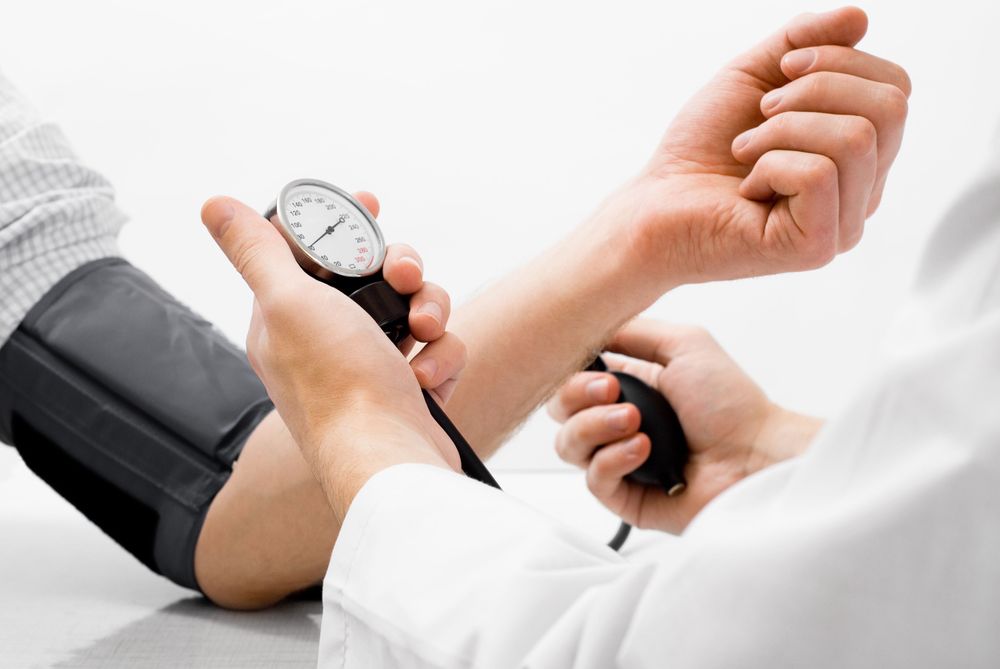
Blood pressure isn't a blood test, but it is commonly included alongside blood testing as part of a wider health assessment.

High blood pressure often has no obvious symptoms, which is why checking it can be useful even when you feel well.

Blood sugar

Blood tests such as HbA1c can provide information about your average blood sugar levels over the previous few months. This can help identify whether your blood sugar is within the expected range or whether further assessment may be appropriate.

What should you do if your blood test result is abnormal?

Don't panic if one of your results is outside the expected range. There are many reasons why a result can vary, and one abnormal result does not necessarily mean that you have a health condition.

Your GP can help interpret results in the context of your symptoms, medical history and other tests. They may recommend repeating a test, carrying out further investigations or simply monitoring the result.

If you've had a Bluecrest Health Assessment and are concerned about a result, share your report with your GP where appropriate. They can help you understand whether anything needs further investigation or follow-up.

Why looking at your results over time can be useful

A single blood test gives you information about your health at a particular point in time. Looking at results over time can sometimes provide additional context.

For example, you may notice that a particular marker is gradually changing, even though each individual result remains within its reference range. Tracking results can help you identify patterns and give you useful information to discuss with your GP or healthcare professional.

This is one of the benefits of taking a preventative approach to your health. The information it provides can help you understand your health and decide what, if anything, you want to focus on.

Take a closer look at your health with Bluecrest Wellness

If you'd like a broader picture of your health, a Bluecrest Health MOT brings together a range of blood tests and physical checks in one assessment. Depending on the package you choose, these can include cholesterol, blood sugar, kidney and liver function, hormone levels and other important health markers.

Your results are presented in a clear, colour-coded report with straightforward explanations, helping you understand your results and identify areas you may want to keep an eye on.

Need help? Call free on 0800 652 2183 to speak to one of our team or book a Bluecrest Health MOT today.

This article is for general health information purposes and does not constitute medical advice. If you have questions or concerns about your blood test results, speak to a healthcare professional.

AUTHOR
Dr Martin Thornton

Dr Martin Thornton

Chief Medical Officer, Bluecrest


As the Chief Medical Officer at Bluecrest, Dr Thornton is dedicated to improving health outcomes through patient-centred prevention strategies and in identifying what can be measured and tracked to improve health. | LinkedIn
REVIEWED BY
Dr Martin Thornton

Dr Martin Thornton

Chief Medical Officer, Bluecrest

As the Chief Medical Officer at Bluecrest, Dr Thornton is dedicated to improving health outcomes through patient-centred prevention strategies and in identifying what can be measured and tracked to improve health. | LinkedIn
ARTICLE TAGS
SHARE THIS ARTICLE
Other Articles
    Fasting glucose test: preparation and results explained
    Private Health Checks

    Fasting glucose test: preparation and results explained

    Find out how to prepare for a fasting glucose test, how long to fast, what you can drink and what your blood glucose results can mean.

    READ ARTICLE
    Body composition: what it reveals that scales can't
    Private Health Checks

    Body composition: what it reveals that scales can't

    Find out what body composition measures, including body fat, muscle mass and visceral fat, and why it can reveal more than weight alone.

    READ ARTICLE
    BMI explained: uses, limits and what to measure instead
    Private Health Checks

    BMI explained: uses, limits and what to measure instead

    What does your BMI mean, and how accurate is it? Understand the limits of BMI and the other measures that can give a clearer picture of your health.

    READ ARTICLE
    Cancer Prevention: Five Simple Changes to Reduce Your Risk
    Private Health Checks

    Cancer Prevention: Five Simple Changes to Reduce Your Risk

    Learn what causes a heart attack, what happens when a coronary artery is blocked, the warning signs to know and the risk factors you can change early.

    READ ARTICLE
    Spotting Cancer Earlier: Changes Worth Getting Checked
    Private Health Checks

    Spotting Cancer Earlier: Changes Worth Getting Checked

    Know what’s normal for your body, which changes are worth getting checked, and what to expect when you speak to your GP about a new symptom.

    READ ARTICLE
    Abnormal Screening Results: What Happens Next and How Bluecrest Can Help
    Private Health Checks

    Abnormal Screening Results: What Happens Next and How Bluecrest Can Help

    Got an amber or red screening result? Find out what it means, what happens next and how our specialist nurse service can help, at no extra cost.

    READ ARTICLE
    Who is at risk of colon cancer?
    Private Health Checks

    Who is at risk of colon cancer?

    Certain lifestyle and genetic factors increase your risk of colon cancer. Discover who’s most at risk and how to recognise early signs to take proactive steps.

    READ ARTICLE
    Does Infection Cause High Blood Pressure?
    Private Health Checks

    Does Infection Cause High Blood Pressure?

    Learn how infections can affect your blood pressure, the role of inflammation and when to seek medical advice. Plus, discover tips for regular monitoring.

    READ ARTICLE
    How to track your health for better wellbeing
    Private Health Checks

    How to track your health for better wellbeing

    Want to know how to track your health effectively? Find out how regular checks, key metrics, and the Bluecrest Wellness App can help you monitor your wellbeing.

    READ ARTICLE
    Small Habits, Big Difference: Practical Self-Help That Actually Fits Real Life
    Private Health Checks

    Small Habits, Big Difference: Practical Self-Help That Actually Fits Real Life

    Wellbeing overhauls rarely stick. Discover small, practical habits that work on busy days, from five-minute journaling to two hours a week outdoors.

    READ ARTICLE
    What are the first signs of bowel cancer?
    Private Health Checks

    What are the first signs of bowel cancer?

    Discover the early signs of bowel cancer, why they matter and how to take action. Learn what to watch for and when to seek support or screening.

    READ ARTICLE
    What causes inflammation in the body?
    Private Health Checks

    What causes inflammation in the body?

    Learn what causes inflammation in the body, how lifestyle, diet and health habits play a role and ways to manage and reduce chronic inflammation effectively.

    READ ARTICLE
    Leg Swelling in Wheelchair Users: When to Take It Seriously
    Private Health Checks

    Leg Swelling in Wheelchair Users: When to Take It Seriously

    Leg swelling is common for wheelchair users, but some causes need prompt attention. Learn the warning signs and what can help.

    READ ARTICLE
    Fasted or Not? Either Is Fine. Here Is Why We Need to Know
    Private Health Checks

    Fasted or Not? Either Is Fine. Here Is Why We Need to Know

    Do you need to fast before a blood glucose test? Either is fine at Bluecrest. Here's why we ask, and how fasting status changes your result.

    READ ARTICLE
    Understanding Your Blood Pressure Reading: Why Measurement Conditions Matter
    Private Health Checks

    Understanding Your Blood Pressure Reading: Why Measurement Conditions Matter

    Blood pressure varies through the day and between settings. Learn how to take an accurate reading at home and what one high result really means.

    READ ARTICLE
    Why Our Results Sometimes Look Different From a GP's, and Why That Is a Good Thing
    Private Health Checks

    Why Our Results Sometimes Look Different From a GP's, and Why That Is a Good Thing

    A result that looks fine at your GP might be flagged amber with Bluecrest. Here's why reference ranges differ and what it means for you.

    READ ARTICLE
    Bone Density Without Weight-Bearing: What Actually Works
    Private Health Checks

    Bone Density Without Weight-Bearing: What Actually Works

    Wheelchair users can lose bone density faster in the legs and hips. Learn what helps protect bone health without weight-bearing exercise.

    READ ARTICLE
    Why You Cannot Wake Up Properly: The Low Morning Cortisol Explanation
    Private Health Checks

    Why You Cannot Wake Up Properly: The Low Morning Cortisol Explanation

    Struggle with morning fatigue or brain fog? Learn what a blunted cortisol awakening response means and what can affect low morning cortisol levels.

    READ ARTICLE
    Your Metabolic Age Result: What It Measures and What to Do About It
    Private Health Checks

    Your Metabolic Age Result: What It Measures and What to Do About It

    Metabolic age is an estimate, not a clinical measurement. Find out what your result reflects, why it can mislead and how to improve it.

    READ ARTICLE
    Your Waist-to-Height Ratio: The Number That Captures What BMI Cannot
    Private Health Checks

    Your Waist-to-Height Ratio: The Number That Captures What BMI Cannot

    Learn how to calculate your waist-to-height ratio, what a healthy result looks like, and why fat around your middle can reveal risks BMI misses.

    READ ARTICLE
    BMI:  How Accurate Is It as a Measure of Health?
    Private Health Checks

    BMI: How Accurate Is It as a Measure of Health?

    BMI can’t tell muscle from fat or show where fat is stored. Learn its limits and which body composition measures give a clearer picture of your health.

    READ ARTICLE
    Staying Active in a Wheelchair: Exercise That Works for You
    Private Health Checks

    Staying Active in a Wheelchair: Exercise That Works for You

    Practical exercise ideas for wheelchair users, from hand cycling and swimming to resistance bands and seated yoga, plus how to get started safely.

    READ ARTICLE
    Why Your LDL Result Might Be Missing, and What to Do About It
    Private Health Checks

    Why Your LDL Result Might Be Missing, and What to Do About It

    No LDL cholesterol result in your report? Find out why high triglycerides make LDL unreliable, what non-HDL tells you, and the steps that help.

    READ ARTICLE
    What Alcohol Does to Your Waistline: The Visceral Fat Connection Explained
    Private Health Checks

    What Alcohol Does to Your Waistline: The Visceral Fat Connection Explained

    Does alcohol cause visceral fat? Learn how drinking can affect abdominal fat, calorie intake and fat metabolism, and why cutting back may reduce it.

    READ ARTICLE
    Why Diets Fail and What Actually Works: The Science of Sustainable Weight Loss
    Private Health Checks

    Why Diets Fail and What Actually Works: The Science of Sustainable Weight Loss

    Learn why weight loss can be difficult to maintain and what actually works, from protein and exercise to sleep, realistic goals and lasting habits.

    READ ARTICLE
    Heart Attack: What Actually Happens and Why It's Often Preventable
    Private Health Checks

    Heart Attack: What Actually Happens and Why It's Often Preventable

    Learn what causes a heart attack, what happens when a coronary artery is blocked, the warning signs to know and the risk factors you can change early.

    READ ARTICLE
     Hereditary Haemochromatosis: The Common Genetic Cause of Iron Overload
    Private Health Checks

    Hereditary Haemochromatosis: The Common Genetic Cause of Iron Overload

    Learn how hereditary haemochromatosis causes iron overload, the symptoms to know, and how ferritin and transferrin saturation can help identify it.

    READ ARTICLE
    Bluecrest employee measures a patient's height.
    Private Health Checks

    Exercise and Cardiovascular Health: What Happens to Your Heart When You Move

    Discover how regular exercise strengthens your heart, lowers blood pressure, improves cholesterol and blood sugar, and how much activity you need each week.

    READ ARTICLE
    How often should you have a health check?
    Private Health Checks

    How often should you have a health check?

    How often should you have a health check? Find out how often to check your health by age, what tests may be included and what affects frequency.

    READ ARTICLE
    Can I Get a Full Health Check on the NHS?
    Private Health Checks

    Can I Get a Full Health Check on the NHS?

    Find out who can get an NHS Health Check, what it includes and how it compares with a private full body health check.

    READ ARTICLE
    What is Included in a Full Body Health Check?
    Private Health Checks

    What is Included in a Full Body Health Check?

    Discover what’s included in a full body health check and why getting one will help you take a proactive role in managing your health now and in the future.

    READ ARTICLE
    How can I improve my health?
    Private Health Checks

    How can I improve my health?

    Take control of your wellbeing with these practical steps. Learn how to improve your health, spot the early signs of poor health and build sustainable habits.

    READ ARTICLE
    Elderly man and woman sitting on a blue couch reading a magazine.
    Private Health Checks

    Routine Blood Tests for the Elderly

    As we age, the risk of certain health conditions rises. Routine blood tests are essential for the elderly to stay informed about their health. Learn more.

    READ ARTICLE
    Man sitting in front of a bookshelf smiling.
    Private Health Checks

    What is an over 50s health check?

    Discover the importance of health checks for the over 50s with our guide. Learn about their benefits and how they help you to take control of your health.

    READ ARTICLE
    How to Naturally Increase Progesterone Levels
    Private Health Checks

    How to Naturally Increase Progesterone Levels

    Discover natural ways to boost progesterone levels through diet, lifestyle changes, and holistic approaches to support hormonal balance and overall wellbeing.

    READ ARTICLE
    Mental Wellbeing: Your Guide to a Healthier Mind
    Private Health Checks

    Mental Wellbeing: Your Guide to a Healthier Mind

    Your mental health plays a key role in how you feel day-to-day. Taking small steps to look after your mental health can make a meaningful difference to overall wellbeing.

    READ ARTICLE
    young woman with laptop
    Private Health Checks

    What is a health coach and how can it help you?

    Looking to build healthier habits and stay motivated? Find out how a health coach can support long-term lifestyle change with Bluecrest Wellness today.

    READ ARTICLE
    What are the most common inflammatory diseases?
    Private Health Checks

    What are the most common inflammatory diseases?

    Find out which inflammatory diseases are most common, their symptoms, causes, and how testing can help you stay proactive about your health and wellbeing.

    READ ARTICLE
    How to find a health coach: expert tips for better results
    Private Health Checks

    How to find a health coach: expert tips for better results

    Looking for a health coach who fits your goals? Here’s how to choose the right coach, what to expect, and how Bluecrest’s Insightful Health Coaching can help.

    READ ARTICLE
    Woman is in a lab with other colleagues and holding up a vial of blood.
    Private Health Checks

    How much should a private health assessment cost?

    Find out how much a private health assessment costs in the UK, what's included and what to consider to find the right package for your health needs and budget.

    READ ARTICLE
    Is Inflammation Good or Bad?
    Private Health Checks

    Is Inflammation Good or Bad?

    Discover how inflammation affects your body, when it’s helpful or harmful and how lifestyle changes and health checks can support long-term wellbeing.

    READ ARTICLE
    How to Reduce Chronic Inflammation
    Private Health Checks

    How to Reduce Chronic Inflammation

    Discover effective ways to reduce chronic inflammation through lifestyle changes, diet, exercise and health checks for long-term wellbeing and prevention.

    READ ARTICLE
    Nurse cleaning a man's arm to take a blood sample.
    Private Health Checks

    What are the Benefits of Preventive Health Services?

    Learn about the benefits of preventive health services and discover how Bluecrest Wellness’s private health MOTs can provide vital insights into your health.

    READ ARTICLE
    How to Determine Metabolic Age?
    Private Health Checks

    How to Determine Metabolic Age?

    Discover what metabolic age is, how it’s measured and the role diet, exercise and lifestyle play in improving it for better overall health and wellness.

    READ ARTICLE
    Inflammation and Ageing: Understanding the Link
    Private Health Checks

    Inflammation and Ageing: Understanding the Link

    Understand the link between inflammation and ageing. Learn how chronic inflammation can affect your health and ways to reduce the risk as you get older.

    READ ARTICLE