Cancer Prevention: Five Simple Changes to Reduce Your Risk
Written by: Rachel Rawson, Director of Nursing at Perci Health
Discover easy strategies to reduce cancer risk and improve your health.
Cancer risk can be affected by many things. Some things, like getting older and family history, you can't change. But others, you can. These are known as modifiable risk factors. This article describes five, including smoking and drinking alcohol, but there are more.
Making healthy lifestyle changes cannot guarantee that you won't develop cancer. Anyone can get cancer, and not all cancer types can be prevented. However, up to 40% of cancers are thought to be preventable through lifestyle changes, and making healthy changes can reduce your risk of developing some cancers, as well as benefiting your wider health.
While screening tests don't prevent cancer, they're designed to detect cancer early, while it's more treatable. Alongside reducing risk through lifestyle changes, taking part in screening is an important way to look after your health. You can read more about screening at the end of this article.
How to reduce your cancer risk by making simple lifestyle changes
From stopping smoking to getting active, each of the five suggestions below is a way to reduce either your overall risk of cancer, or of one particular type of cancer.
Tip: Don't try to tackle the suggestions below all at once. Instead, choose the one that's most relevant to you and work on it consistently, before adding in a second.
1. Stop smoking
Smoking is the leading cause of cancer in the UK and worldwide. It's the leading cause of lung cancer but is also known to increase the risk of a further 14 types of cancer, including liver, pancreatic, bowel and bladder.
While reducing the number of cigarettes you smoke a day is a good first step to reducing your cancer risk, the best thing you can do for your health is to stop smoking completely.
Reduce your risk: get support to quit
If you're a smoker and you're thinking about stopping smoking, don't wait. Speak to your doctor or pharmacist, free local stop smoking service, or download the NHS Quit Smoking app to get support.
2. Reduce alcohol
Not everyone who drinks alcohol will get cancer, but scientists have found that it increases the risk in several cancers, including breast, bowel, mouth and throat cancers.
The less you drink, the more you reduce your risk. The NHS recommends no more than 14 units a week (around 6 medium (175ml) glasses of wine, or 6 pints of 4% beer), spread over three or more days, with several drink-free days and no bingeing. However, remember that drinking even at lower levels can increase your cancer risk.
Reduce your risk: be drink aware
Choose small-size or lower-strength drinks (%ABV, which can be found on the bottle) and drink one glass of water for every alcoholic drink. Download the Drinkaware app to monitor your units, set goals and celebrate alcohol-free days.
3. Maintain a healthy body weight
There's strong evidence that being overweight or living with obesity throughout adulthood increases the risk of at least 12 different cancers. Maintaining a healthy weight is therefore an important way to reduce cancer risk.
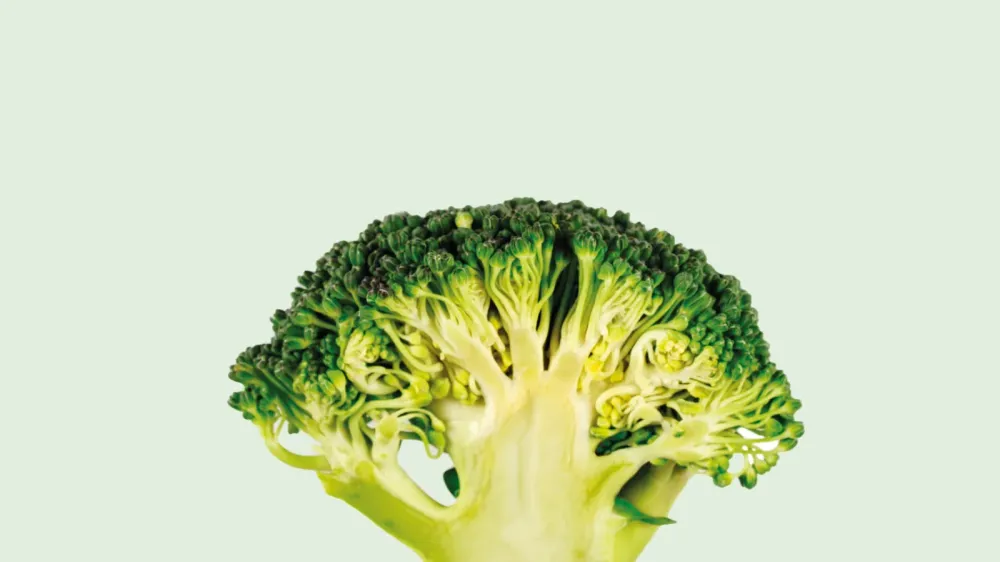
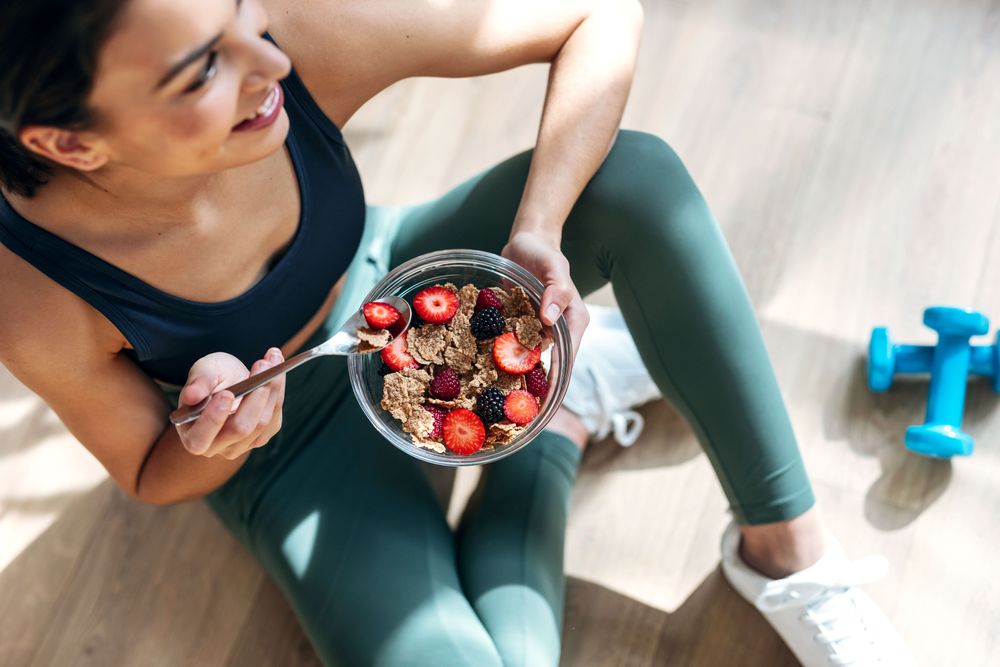
The most effective way to maintain a healthy body weight is to be physically active (see below). Eating a balanced diet rich in fruit, vegetables, wholegrains and healthy sources of protein can help support a healthy weight.
Limiting refined sugars, which are found in cakes, sweets, biscuits and soft drinks, is also an important step to maintaining a healthy body weight.
Reduce your risk: add in healthy foods
Instead of making drastic changes all in one go, try to focus on one or two smaller goals at a time. The focus should always be on what good things you can include in your diet, to nourish your body's healthy cells, rather than what you can restrict.
4. Get active
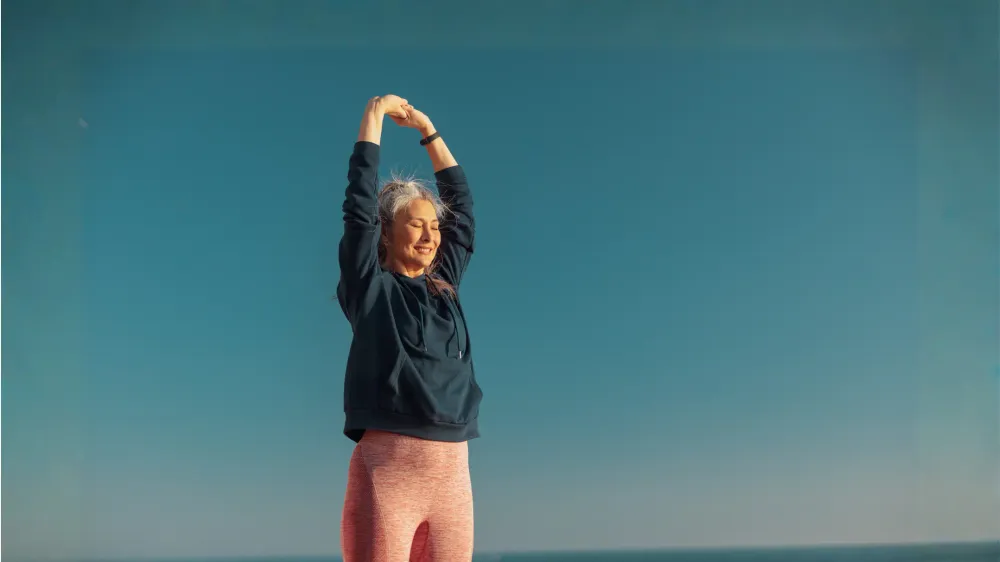
There's strong evidence that regular physical activity can reduce the risk of several types of cancer, including breast, bowel and bladder cancer.
Aim for around 150 minutes of moderate-intensity activity each week. This means moving enough to raise your heart rate and breathe faster, while still being able to hold a conversation. Brisk walking, cycling, dancing and swimming all count, and shorter periods of activity across the week soon add up.
Reduce your risk: walk!
Walking is known to have many health benefits, including cardiovascular and respiratory fitness. Start small and build up gradually as you feel able to. Aim for consistency, walking little and often.
5. Protect your skin
The majority of skin cancers are caused by too much UV radiation from the sun and sunbeds. UVA and UVB are the two main types of sun rays. Both cause skin cancer by damaging the DNA in your skin cells.
Melanoma is the most serious type of skin cancer and is the fifth most common cancer in the UK. By avoiding sunbeds and staying safe in the sun, 9 in 10 cases could be prevented and you can reduce your personal risk.
Reduce your risk: be sun smart
When UV levels are high, seek shade, cover up and use an appropriate sunscreen, and take particular care not to burn. If you're concerned about getting enough vitamin D, take 400 IU (10 micrograms) per day, as a tablet or spray, between September and March.
The importance of cancer screening
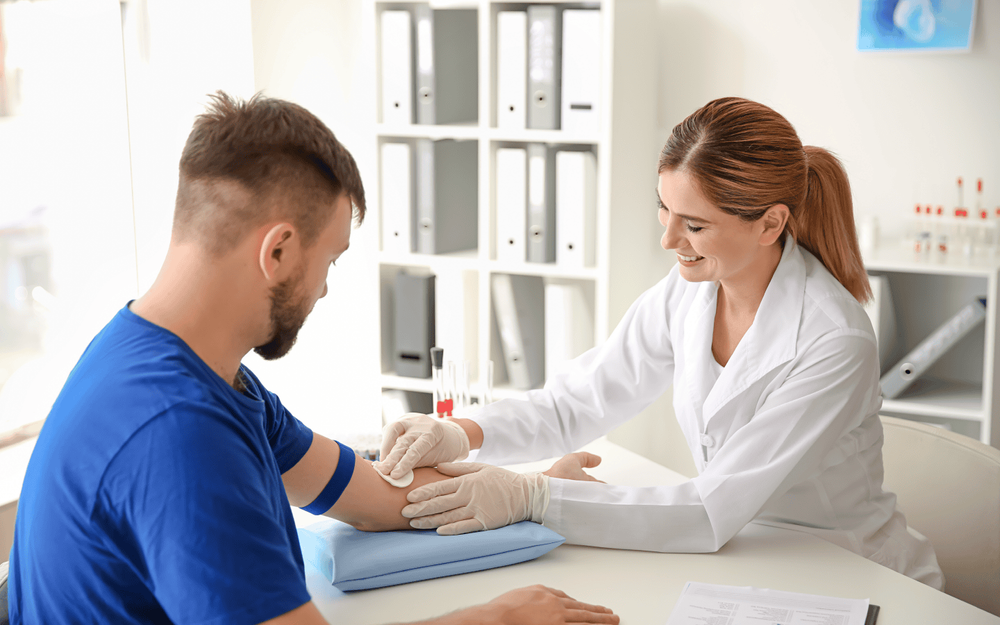
Lifestyle changes can help reduce your risk of developing some cancers, but they cannot prevent every cancer. ancer screening is another important part of looking after your health. Screening is designed to identify cancer, pre-cancerous changes or other changes that may need further checks, sometimes before symptoms develop.
Bluecrest health assessments and cancer screening packages give customers access to a range of cancer-related tests that can complement NHS screening and help build a broader picture of their health.
Taking part in appropriate screening can support earlier detection, which may lead to earlier investigation and treatment where needed. The sooner cancer is found, the more likely it is to respond well to treatment. Screening does not replace seeking medical advice about symptoms. If you notice a change that is new, unusual or persistent for you, speak to your GP or healthcare professional.
Get extra support
If you receive an amber or red cancer-related result at your Bluecrest assessment, you can access specialist nurse guidance at no extra cost as part of your Bluecrest service, delivered by Perci Health.

Graham Jones
Medical Writer