Fasting glucose test: preparation and results explained
A fasting glucose test measures the amount of glucose, or sugar, in your blood after you have not eaten for a set period. Find out when fasting may be needed, how to prepare and what your blood glucose results can mean.
What is a fasting glucose test?
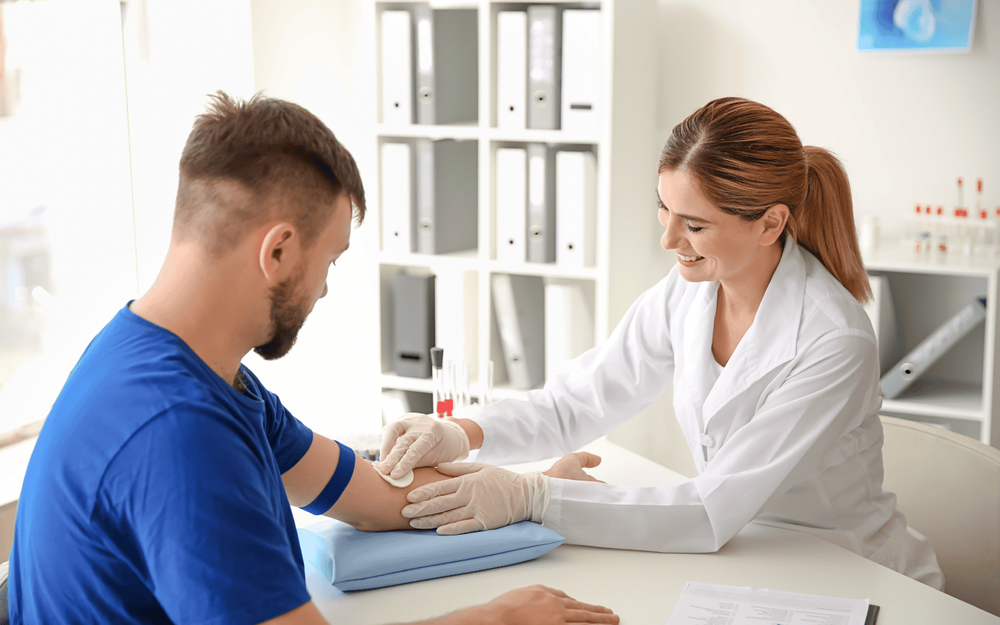
A fasting glucose test measures your blood glucose level after a period without food. It gives a snapshot of the amount of glucose in your bloodstream at the time your blood sample is taken.
Blood glucose is one of the markers used to assess blood sugar control and can help identify signs of prediabetes or diabetes.
It is different from an HbA1c blood test, which gives an indication of your average blood glucose levels over the previous two to three months and does not require fasting.
Do you need to fast before a glucose blood test?
Not always. The preparation you need depends on the specific test you've booked.
Bluecrest health assessments generally do not require fasting, although some individual tests may have specific preparation requirements. You'll be given instructions when you book your appointment.
If you've specifically been told to fast before your glucose test, follow the instructions you've been given.
How long do you need to fast before a glucose test?
Where fasting is required, this is typically 8 to 12 hours, with plain water allowed. An overnight fast is often the simplest approach for a morning appointment.
Don't assume you need to fast for every blood glucose test. Always check the preparation instructions for your particular appointment.
What can you eat and drink before a fasting glucose test?
If you've been told to fast, stick to plain water during the fasting period.
Avoid:
- Food and snacks
- Tea and coffee
- Fruit juice and soft drinks
- Sugary or flavoured drinks
- Chewing gum or mints
Water is generally fine and can help you stay hydrated before a blood test.
What about medication?
Some medicines can affect blood glucose or may need to be taken with food. Don't stop or change prescribed medication simply because you're fasting. If you're unsure what to do, check with your doctor or follow the specific instructions provided for your test.
What happens to blood glucose after you eat?
When you eat, carbohydrates are broken down into glucose and absorbed into your bloodstream. Your body releases insulin, which helps move glucose from the blood into cells where it can be used for energy.
Blood glucose normally rises after eating and then gradually falls again. If the body has difficulty regulating blood glucose, levels can remain higher for longer.
What do fasting glucose test results mean?
Your blood glucose result needs to be interpreted alongside the relevant reference range and the type of test you've had.
A result outside the expected range doesn't necessarily mean you have diabetes. Your healthcare professional may recommend further testing depending on your result and circumstances.
For diabetes testing, HbA1c is commonly used because it reflects average blood glucose over the previous two to three months. Other glucose tests can provide a snapshot of blood glucose at a particular point in time.
What does a high fasting glucose result mean?
A higher-than-expected result can be a sign that your body isn't regulating blood glucose as effectively as it should. Depending on the level and the test used, this may indicate an increased risk of type 2 diabetes or require further investigation.
A single result should not be used to diagnose yourself. If your result is outside the expected range, follow the advice in your Results Report and speak to a healthcare professional if recommended.
What does a low glucose result mean?
A low blood glucose result can have different causes. If your result is unexpectedly low, your healthcare professional can help you understand what it means in the context of your health and any symptoms you may have.
Fasting glucose vs HbA1c: what's the difference?
| Test | What it tells you | Does it require fasting? |
|---|---|---|
| Fasting glucose | Blood glucose at the time of the test after fasting | If specifically requested |
| HbA1c | Average blood glucose over the previous 2–3 months | No |
How can you prepare for a blood glucose test?
If your test requires fasting:
- Check how long you're expected to fast
- Have your last meal before the fasting period begins
- Drink plain water during the fast unless you've been told otherwise
- Avoid food, coffee, juice and other drinks
- Follow any medication instructions you've been given
- Tell the person taking your sample if you haven't followed the fasting instructions
If your Bluecrest appointment doesn't require fasting, you don't need to fast simply because your test includes a glucose measurement. Follow the preparation instructions provided when you book.
When should you speak to a GP about blood glucose results?
If your results suggest your blood glucose is outside the expected range, your report should explain what to do next. You may be advised to monitor your results, make lifestyle changes or speak to a GP.
If you're concerned about symptoms or your blood glucose results, speak to a healthcare professional rather than trying to interpret the result on your own.
Take a closer look at your blood glucose with Bluecrest Wellness
If you'd like to check your blood glucose levels, Bluecrest's Private Glucose Test measures the amount of glucose in your blood after an overnight fast. The test is available as part of a complete health package, giving you the opportunity to look at your blood glucose alongside other important health markers.
Your results are presented in a clear, personalised report, with straightforward explanations to help you understand your results and any next steps that may be recommended.
Explore the Private Glucose Test.
Need help? Call free on 0800 652 2183 to speak to one of our team.
This article is for general health information purposes and does not constitute medical advice. If you have concerns about your blood glucose result, please speak with a healthcare professional.
Anna Jones
Chief Nursing Officer, Bluecrest
Dr Martin Thornton
Chief Medical Officer, Bluecrest