Work-life balance: The key to sustainable success
Work shouldn’t consume your life, yet for many it does. For some the pressure to stay ‘always on’ has quietly become the norm. Across the UK, employees are increasingly feeling the strain of long hours, rising expectations, and the constant pull of digital connectivity. The result? Climbing stress levels, declining wellbeing, and burnout becoming all too common. Achieving balance isn’t about working less but rather living more. In this article we will discuss more about why work-life balance matters now more than ever.
It comes as no surprise that work-life balance has become one of the top priorities for UK workers, transforming from an idyllic buzzword to a cultural expectation. Cvgenius highlighted how 90% of workers now rate work-life balance as ‘important’ or ‘very important’ when choosing a job with nearly half considering it their number one priority. This shift doesn’t reflect a desire to work less but a desire to live well, becoming a crucial part in protecting mental health, maintaining relationships, staying fulfilled and avoiding the long-term health consequences associated with unmanaged stress.
The impact of chronic stress on your health
Chronic stress doesn’t just drain energy and motivation – it affects sleep, immune function, cardiovascular health, digestion, and mood. When work pressure becomes constant, the body remains in a state of heightened alert increasing the risk of burnout, anxiety and long-term health issues. UK wellbeing data shows the steady decline in employee wellbeing since 2020, highlighting how prolonged stress and blurred boundaries have taken a toll on the UK workforce.
When experiencing chronic stress, the levels of stress hormones, like cortisol, remain high in your bloodstream, which can cause symptoms such as headaches, high blood pressure, muscle tension, and chest pains. In addition, you may experience emotional symptoms like increased anxiety, depression, and irritability. Over time, the bodies constant stress response can contribute to more serious health problems, including cardiovascular disease, digestive disorders such as IBS, weakened immune response, and increased vulnerability to chronic conditions like hypertension. This is why recognising and managing stress early is so important.
To find out more about how you can reduce your stress levels, read our handy guide ‘How to reduce stress and cortisol levels’.
The impact of chronic stress on your work
Chronic stress doesn’t just affect how you feel, it can also have a significant impact on how you perform at work. Chronic stress can often show up during your workday as reduced motivation, lower productivity, decreased creativity, and increased mistakes. When your mind is being overwhelmed by stress, worry and tension, it becomes harder to focus, stay organised, or bring new ideas to the table.
Over time this can have an impact on your confidence and job satisfaction, creating a cycle that can be hard to break without reaching out for support. As well as impacting your performance chronic stress can also start to affect how you interact with your colleagues. You may find yourself becoming more irritable, less patient or find it harder to communicate effectively, making even the smallest challenge feel overwhelming.
Recognising the signs early and reaching out to someone, whether that is a manager, colleague, friend or wellbeing resource can make a huge difference. Taking steps to manage stress is a key part of protecting your health, performance, and long-term wellbeing.
Burnout
Burnout is defined by the World Health Organization (WHO) as a syndrome resulting from chronic workplace stress that has not been successfully managed and is characterised by 3 factors:
- Feelings of exhaustion or energy depletion
- Increased mental distance from your job, or negative/cynical feelings related to your job
- Reduced performance or effectiveness at work
Burnout is something that builds gradually, often without people realising how bad the overwhelm has become.
In ‘The Burnout Report 2026’ it was highlighted that heavy workloads or increased volume of tasks were the top stress drivers for 42% of surveyed participants with regular unpaid overtime sitting at 33% and fear of redundancy and job security coming in 3rd with 32% reporting it as a top stress driver.
To find out more about burnout, you can view The Burnout Report here.
How to prevent burnout
1. Set boundaries
Constant digital connectivity and the rise in hybrid/remote working is a large contributing factor to burnout with the blurring of lines between home and work creating a cycle of feeling unable to properly switch off and rest. Protecting your time can help to make space for rest and allow you to better disconnect through having defined work hours or workspaces if you work from home – setting these boundaries can help towards reducing stress levels and therefore reduce your risk of burnout.
2. Open conversations
With heavy workloads and increased task volume being the leading contributor to burnout, it is important to create space with people you trust to speak honestly about workload, pressure, stress or challenges – this may be a colleague or your manager.
3. Supportive professional relationships
Building a supportive network can make a huge difference, having a supportive manager or team can play a key part in managing stress and avoiding burnout. Gaining constructive feedback through regular team check-ins can sometimes help to re-align priorities and in turn alleviate some of the pressure and stress – allowing you to work more effectively.
4. Rethinking meetings
In some workplaces, the workday can become heavy with meetings which in some situations doesn’t allow much time for a breather. To help overcome this, and aid in preventing burnout, it might be good to consider which meetings could be put in as ‘Walking meetings’, allowing you and your colleague to step away from your desks and get some fresh air. In remote first settings it could be as simple as scheduling meetings for 50 minutes rather than an hour to allow everyone time for a comfort break when dealing with back-to-back meetings.
5. Early intervention
Taking care of your physical and mental health as a part of your routine, rather than waiting till things get bad can not only help prevent burnout but a whole host of other issues. By taking proper breaks, annual leave and keeping on top of your overall health through regular health checks.
6. Make use of your workplace support
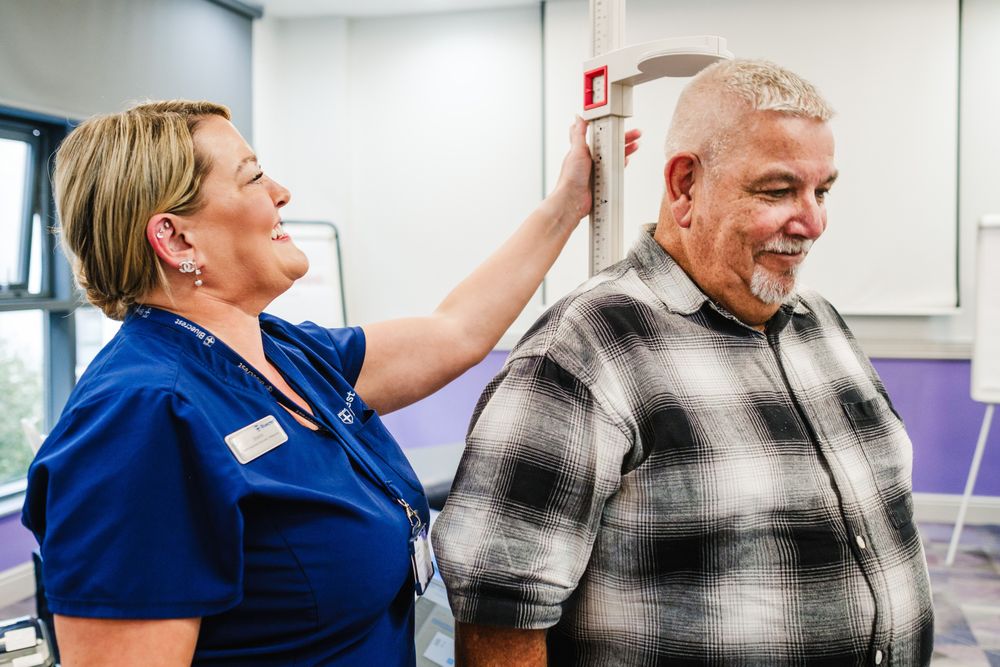
Many companies have support available in various forms from wellbeing resources to Employee Assistance Programmes (EAPs) to health assessments through a provider such as Bluecrest. These can help with staying in control of your health and accessing the support you need.
Work-life balance is more than just a cliché; it is about creating a sustainable lifestyle that allows you to live healthier for longer – this contributes to stronger performance, fewer absences and improved long-term health.
Want to find out insights about your health? Book your health assessment today!
To book your health assessment, click here
For Vitality customers, book here.
For Benenden customers, book here.
Need help? You can reach out to our corporate team on 0808 168 9219