Workplace habits that could be harming employee wellbeing and retention
Over the years, priorities have changed. While workplace health and wellbeing strategies were once seen as a ‘nice-to-have', many organisations now consider them a strategic priority. An excerpt from the Johns Hopkins ‘Fostering Wellbeing at Work in the UK’ research report states that following on from the COVID-19 pandemic: ‘HR leaders across the UK cited ‘Health and Wellbeing’ as the single most important people issue affecting their organisations, placing it ahead of ‘Talent Management,’ ‘Learning and Development,’ and ‘Adapting to COVID-19’ (Berndt & Silvonen, 2022).’
Prioritising employee wellbeing and retention means looking beyond policies alone to the everyday workplace habits that shape morale, engagement and long-term workforce health.
A Vitality report highlighted how 63% of UK employees surveyed said they want their employer to do more to support their health and wellbeing.
Let’s take a closer look at some of the workplace habits that may be impacting employee health and retention in your business and suggestions on ways to address them.
Retention
Poor career development opportunities
Career development opportunities support emotional wellbeing and results in a more engaged, motivated and skilled team.
Work Institute noted how for more than 10 years, the lack of career development opportunities was the number 1 reason why employees quit their jobs.
What can you do to tackle this? Create clear career pathways and communicate these with employees and applicants so they know what they can expect and ensure that there are open lines of communication whether that be through performance reviews or career check-ins. Having access to learning and development content can be a great way to help employees expand their skills and professional development.
Lack of recognition and rewards
Acknowledgement can be used as part of your strategy to boost employee motivation and performance. When there is a negative workplace culture, such as a lack of recognition, this can lead to employees feeling exhausted and having negative feelings towards their work which can ultimately contribute to burnout.
Being proactive with recognition can be as simple as thanking people for their hard work on a project or encouraging your team to take their annual leave and can have a big impact on employee wellbeing.
Limited access to health and wellbeing services
Access to health and wellbeing services encourage a positive working environment and can reduce work related illness and stress. This can also impact how valued and supported an employee feels within their role and encourage a more healthy, happy and engaged workforce. Access to health and wellbeing services may also aid in reducing absenteeism and staff turnover.
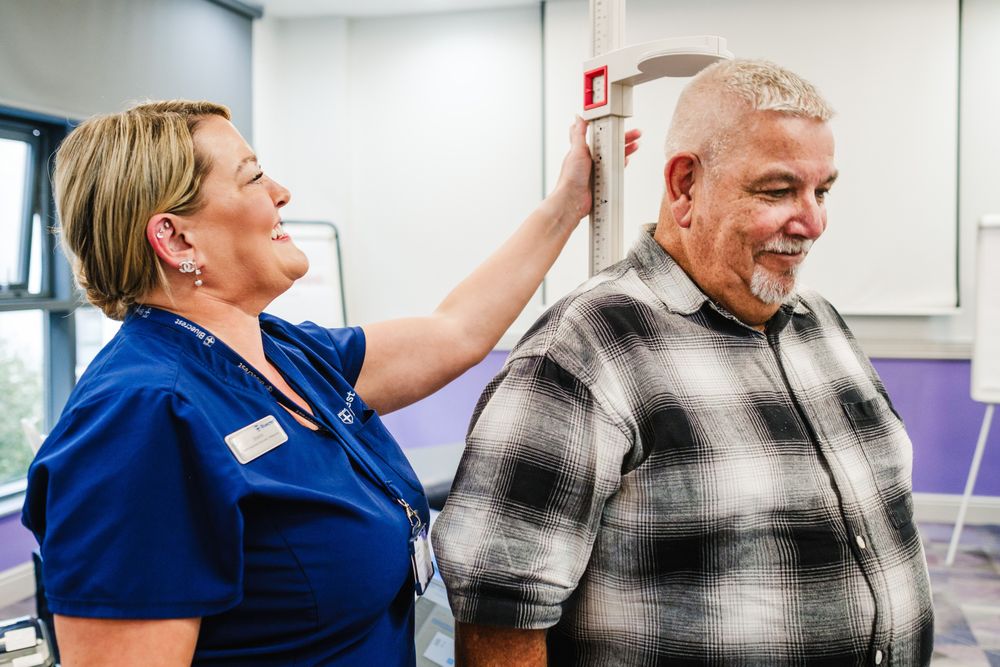
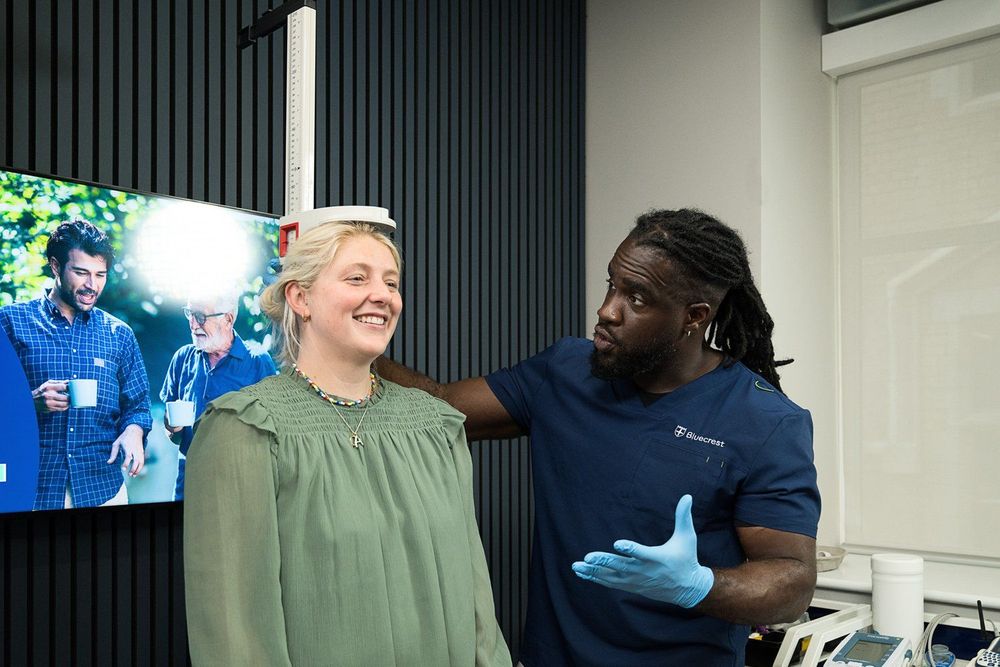
Giving your employees access to resources or services such as Bluecrest allow you to offer affordable and accessible health assessments to your entire workforce, with different packages to suit your business needs as well as making employees feel like they are valued.
Find out more about our business packages here.
Mental health
Always-on culture
A culture that causes employees to feel pressured to be available outside of working hours can lead to burnout, poor work-life balance and increased stress. This Business in the News article highlights how 44% of UK workers feel pressure to appear continuously available at work with 26% saying tools like Microsoft Teams and Slack make them feel constant pressure to prove they’re working due to the status indicators.
This pressure could also be contributing to a culture of presenteeism with employees feeling like they must work even while sick – this can lead worsen health outcomes for the individual as well as spread illness. Our research showed that 77% of people in employment had worked while they were feeling unwell and The Centre for Mental Health estimates presenteeism to cost 1.5 times more than absenteeism.
To improve this, set clear boundaries and respect personal time. E.g. If you are noticing a particular issue within your business such as employees struggling to get work done around a crammed diary of meetings, why not try to implement something like ‘meeting-free Monday’s’ to allow solid focus time to complete projects.
Chronic stress
Stress as a result of unrealistic workloads and deadlines can contribute to mental exhaustion, sleep issues and even depression – which accounted for 17.1 million lost working days in the UK during 2024-25. Micromanagement or rigid control can also add to stress levels and reduce motivation so make sure you are giving your employees room to do their jobs. It is expected that everyone will have times that their workload increases and there may be tight deadlines, but consistent excessive demands can take its toll on employees, so it is important that there are systems and support in place to help combat any issues where possible.
What could these systems and support look like? It could be that managers check in with their team weekly to ensure the workloads are manageable and redistribute if necessary and equip managers with the tools to identify and respond swiftly to stress in their team.
Ignoring mental health
Having no support systems in place or there being stigma around mental health may lead to employees suffering in silence, contributing to absenteeism or presenteeism.
HR Magazine published an article stating ‘Organisation-wide early interventions, such as culture change and raising awareness of mental health issues, provide the highest return for employers, at £6.30 for every £1 spent. HR should encourage a shift from reactive measures to preventative initiatives. By identifying issues before they escalate, businesses can avoid more significant costs later.'
To improve mental health support, you could offer mental health resources and training as well as normalising open conversations in your organisation.
Physical health
Sedentary work environment
Long hours spent at a desk without movement can lead to musculoskeletal issues, poor posture and cardiovascular risks.
Between 2023-2024 it was reported that 543,000 workers in the UK were suffering from work-related MSK disorders with 168,000 new cases being reported in that same period. MSK disorders accounted for 7.8 million lost working days in 2023/24 and made up 32% of all work-related ill health cases. £5.7bn is lost annually due to work-related pain, including back pain and repetitive strain injuries.
To combat this, you could encourage walking meetings where appropriate, standing desks or regular stretch breaks to help minimise the risk of musculoskeletal issues within your organisation.
Poor ergonomics
Inadequate chairs, screens or desk setups can cause back pain, eye strain and repetitive strain injuries. In a study carried out in August 2024 it was found that 21.3% of UK adults with desk jobs experience daily neck, back or shoulder pain with remote workers being most affected.
UK employers are legally required under HSE regulations to provide ergonomically safe work environments and failure to carry out regular Display Screen Equipment (DSE) assessments is a liability, exposing businesses to a range of compliance issues and liability risks.
To help your workforce, ensure they understand the importance of a good work set up and where appropriate provide them with the correct set up or a budget/checklist for setting up a healthy workspace. If MSK disorders are something that are common within your employees, it may be worth considering access to physiotherapy or health assessments to keep on top of the issues.
Lack of breaks
Skipping lunch or working through breaks to meet deadlines can not only increase fatigue and harms mental health but can actually reduce cognitive performance leading to a reduction in productivity within your organisation.
It is recommended that those in sedentary jobs i.e. working at a desk, take 5-10 minutes breaks every hour to allow your eyes a break to reduce the risk of strain and also to help reduce the risk of MSK issues such as back and neck pain.
That is why it is important to promote regular breaks and intentional downtime to ensure your employees are performing at their best and not burnt out.
Learn more about Bluecrest
Are you looking at ways to improve your organisations health and wellbeing strategy? Find out more about Bluecrest and how we can help you - contact us today.