Physical Activity and Blood Pressure: How Movement Changes the Cardiovascular System
Exercise produces one of the most consistent reductions in blood pressure available through lifestyle change. Here is what is actually happening, and why it works.
Blood pressure responds to exercise in two distinct and useful ways. A single session of exercise that raises your heart rate and breathing (aerobic exercise) produces a fall in blood pressure that can last several hours afterwards. Regular exercise over weeks and months produces lasting changes in the cardiovascular system that keep resting blood pressure lower long term.
What happens after a single session
During aerobic exercise, blood pressure rises as the heart works harder. But in the 30 minutes to several hours after stopping, blood pressure falls below its starting level. This post-exercise drop is sometimes called post-exercise hypotension. In people with high blood pressure, it typically lowers the top number (systolic pressure) by 5 to 7 mmHg. People with a higher starting blood pressure tend to see the largest reductions. This is why exercising in the morning, or early afternoon, can help keep blood pressure lower for much of the day.
The long-term changes
Regular aerobic exercise improves the health of the inner lining of blood vessels (the endothelium). When blood flows faster during exercise, it creates a physical force on the vessel walls that stimulates the release of a substance called nitric oxide. Nitric oxide causes blood vessels to relax and widen, reduces the stickiness of blood, and helps prevent the build-up of fatty deposits inside arteries. This is one of the clearest ways exercise directly reduces the risk of heart disease.
Regular exercise also makes arteries more flexible over time, which is a major driver of lower blood pressure. It also helps calm the nervous system at rest, reducing the background tension that keeps blood pressure elevated.
How much difference does exercise actually make?
A large analysis of over 390 clinical trials looked at this question. It found that regular structured exercise reduced the top blood pressure number (systolic pressure) by 4 to 5 mmHg in people with high blood pressure. This effect was comparable to taking a first-line blood pressure medication. These benefits are in addition to medication rather than instead of it.
Which type of exercise is best?
Aerobic exercise has the most consistent evidence behind it: brisk walking, cycling, swimming, jogging, and most recreational sports. Moderate intensity means you are slightly breathless but can still hold a conversation. Aim for at least 30 minutes, most days of the week.
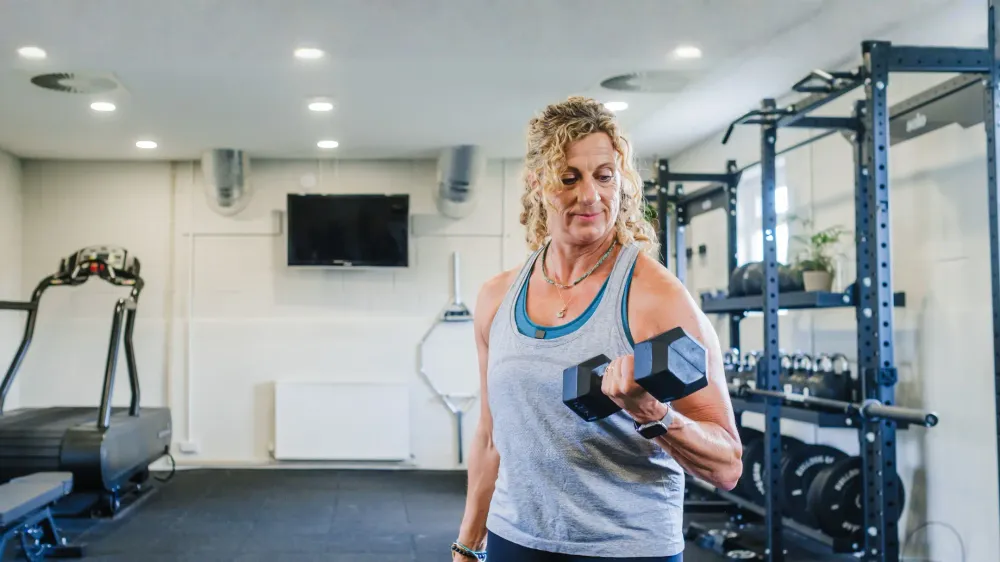
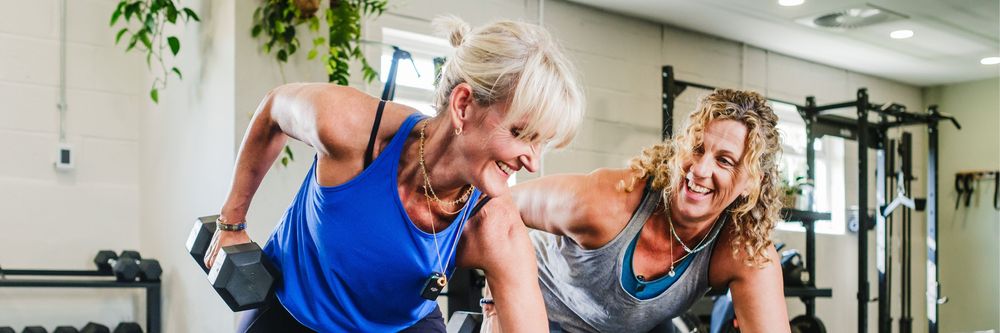
Training with weights, resistance bands, or your own bodyweight (resistance training) also lowers blood pressure. This works mainly through improvements in blood vessel function and a calmer nervous system response, with metabolic changes playing a smaller supporting role. It is particularly valuable for older adults.
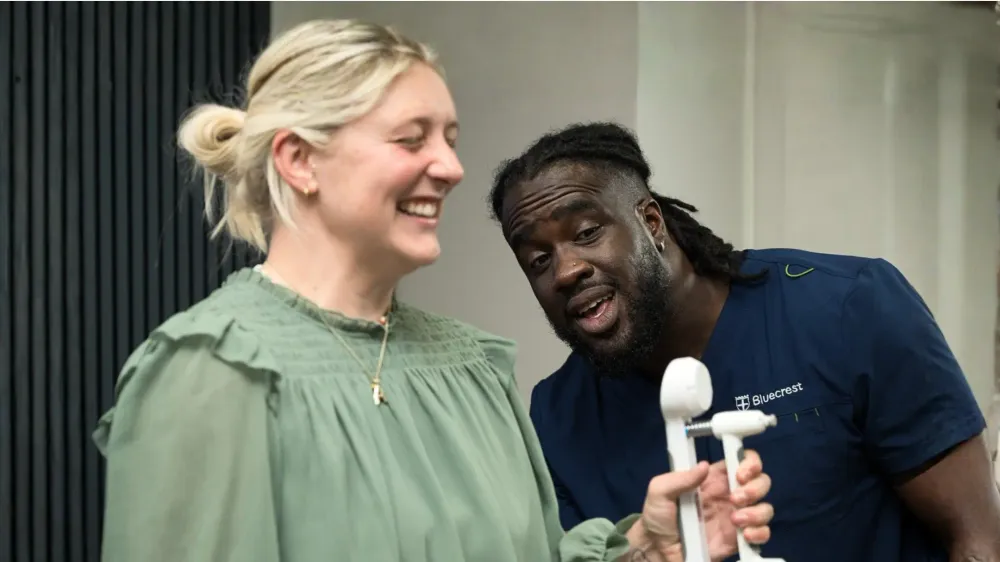
Holding a muscle contraction without moving, such as in a wall squat or when squeezing a handgrip device (isometric exercise), shows some of the largest blood pressure reductions in research. Handgrip training for around 12 minutes, three times a week, has produced reductions in the top number of 10 mmHg or more in several studies.
When to exercise
Exercising earlier in the day takes advantage of the post-exercise drop, during the hours when blood pressure is naturally at its highest. Late-evening vigorous exercise can temporarily raise blood pressure and disrupt sleep, both of which are worth avoiding.
Breaking up long periods of sitting with short bouts of movement throughout the day also affects blood pressure. This happens independently of any planned exercise session, and the effect is measurable.
Starting out
For people who are currently inactive, 20 to 30 minutes of brisk walking most days is enough to produce a meaningful reduction in blood pressure. This can happen within 4 to 8 weeks. The biggest gain comes from moving from doing nothing to doing something regular. For people who are already active but have elevated blood pressure, adding resistance or isometric training alongside aerobic exercise is the most productive next step.
This article is for general health information purposes and does not constitute medical advice. If you have concerns about your blood pressure, please speak with a healthcare professional.

Dr Martin Thornton
Chief Medical Officer, Bluecrest
Graham Jones
Medical Writer