12 symptoms you shouldn’t ignore after 40
Turning 40 doesn't come with a handbook for every change your body might go through. You may notice differences in your energy, sleep, weight, fitness or general wellbeing, and many of these changes are simply part of getting older.
It's also easy to put a new ache down to getting older, blame tiredness on a busy life or overlook a change because it's been happening gradually. Often, there's a straightforward explanation. But if something feels noticeably different, keeps coming back or doesn't have an obvious cause, it's worth paying attention to.
Some health conditions can also develop without obvious symptoms. High blood pressure and high cholesterol, for example, often cause no noticeable symptoms, which is why regular health checks can be useful.
Here are 12 changes worth being aware of after 40, what they can sometimes be linked to and when it might be sensible to get some advice.
1. Persistent tiredness
Everyone feels tired from time to time. Poor sleep, stress, a busy schedule and changes in your routine can all affect your energy levels.
If you've been feeling unusually tired for several weeks or your energy levels have noticeably changed, it's worth considering what might be behind it. The NHS lists a range of possible causes, including sleep problems, stress, low mood, hormonal changes and iron deficiency anaemia.
Sometimes, simple changes to sleep, diet, exercise or your daily routine can make a difference. If your tiredness continues or starts to affect your everyday life, it may be worth discussing it with a healthcare professional.
Bluecrest data shows that routine health testing can also highlight potential areas to pay attention to. Around 1 in 3 completed blood profiles returned at least one amber or red flag, while iron deficiency was around seven times more common in women than men in Bluecrest's data.
2. Losing weight without trying
Your weight naturally changes over time. Your diet, activity levels, stress, appetite and routine can all have an impact.
If you're losing weight without deliberately changing your diet or exercise, keep an eye on it, particularly if the change continues. There are many possible explanations, including stress, changes in appetite, digestive problems, hormonal conditions and some medicines.
The amount and speed of weight loss, along with any other changes you've noticed, can provide useful context. Keeping a note of your weight and anything else that feels different can help you decide whether it's something worth discussing with a GP.
Unexplained weight loss doesn't automatically mean there's a serious problem. There are plenty of possible causes, and getting it checked can simply help you understand what's behind the change.
3. Getting short of breath more easily
Feeling breathless after running for a bus or climbing a particularly steep hill is normal. You may also notice that your fitness changes over time, particularly if you've been less active.
A noticeable change in your usual level of fitness is worth paying attention to. If everyday activities that once felt comfortable are leaving you unusually breathless, consider what else might have changed, from your fitness and weight to your sleep or general health.
Breathlessness can have many causes, including being less fit, respiratory conditions and iron deficiency anaemia. It can also be associated with heart conditions.
A health assessment can provide useful information about aspects of your general and cardiovascular health, although it can't establish the cause of unexplained breathlessness.
If breathlessness comes on suddenly or is severe, seek urgent medical help.
4. A change in your bowel habits
Your digestion can be affected by all sorts of everyday things. Changes in what you eat, stress, travel, medication and minor infections can all alter your usual bowel habits.
You might notice that you're going to the toilet more or less often, experiencing constipation or diarrhoea or seeing a change in the appearance of your stools.
Most changes have a straightforward explanation and settle with time. If a change continues, keeps returning or comes with other symptoms such as blood in your stool, unexplained weight loss or ongoing abdominal discomfort, it's worth discussing with a GP.
There are several ways healthcare professionals investigate bowel symptoms. NICE recommends faecal immunochemical testing, known as FIT, for certain combinations of symptoms to help decide whether further investigation is needed.
Having a change in your bowel habits doesn't mean there's something seriously wrong. It's simply one of those things that's useful to keep an eye on.
5. Ongoing indigestion or heartburn
Most of us experience indigestion or heartburn occasionally. Certain foods and drinks, stress, smoking and being overweight can all contribute.
You might find that keeping track of when symptoms happen helps you identify a pattern. Eating smaller meals, avoiding foods that trigger symptoms and leaving some time between eating and going to bed can also help some people.
If indigestion or heartburn is happening regularly, is becoming more troublesome or is accompanied by other changes such as difficulty swallowing or unexplained weight loss, it's worth getting some medical advice.
6. Feeling unusually thirsty or needing to urinate more often
Feeling thirsty after exercise or on a hot day is completely normal. You may also need to urinate more often if you've been drinking more fluids than usual.
A noticeable and persistent change can sometimes have other explanations. Feeling unusually thirsty, needing to urinate more often and feeling very tired can all be symptoms associated with type 2 diabetes.
Type 2 diabetes can develop gradually and some people have few or no obvious symptoms. This is one reason routine blood sugar testing can be useful.
An HbA1c blood test gives an indication of your average blood glucose levels over the previous two to three months. It's one of the tests used to check for type 2 diabetes.
Selected Bluecrest Health Assessments include diabetes testing, allowing blood sugar to be considered alongside other aspects of your health.
7. Recurring headaches or changes in your vision
Headaches are common and often have an everyday explanation. Dehydration, stress, tiredness and eyesight problems can all contribute.
If your headaches are becoming more frequent or feel noticeably different from usual, it's worth taking a moment to consider what might have changed. Your sleep, stress levels, hydration and eyesight are all good places to start.
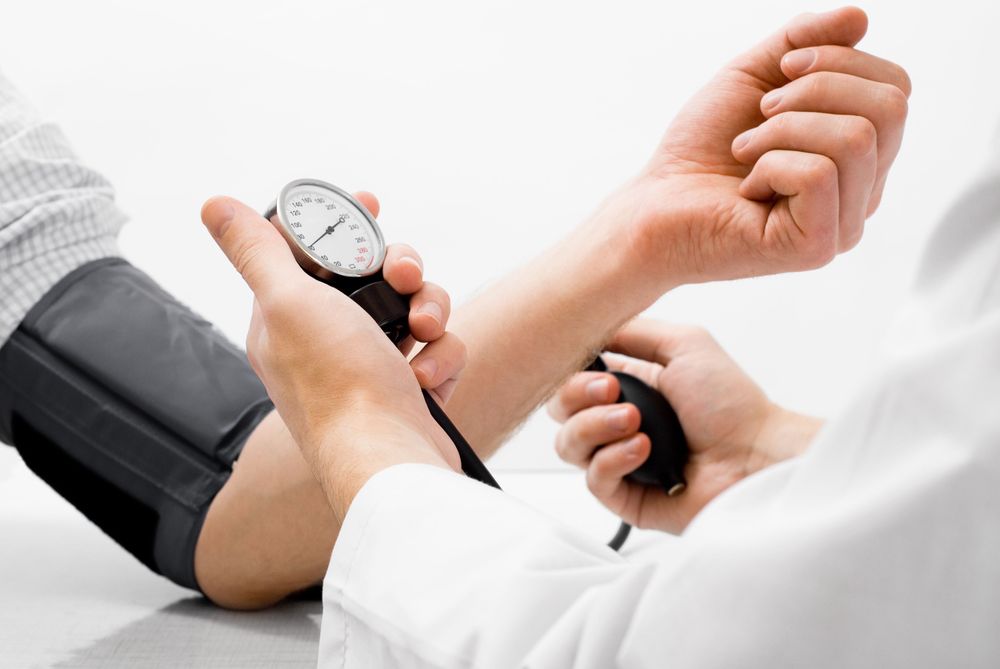
Blood pressure is another factor worth keeping an eye on. High blood pressure usually has no obvious symptoms, which is why checking it is more useful than trying to identify it from how you feel.
Very high blood pressure can sometimes be associated with headaches or blurred vision, but these symptoms can have many other causes too.
A routine blood pressure check can give you a useful snapshot of where your levels currently sit.
8. Chest pain, unusual palpitations or a change in your heartbeat
It's normal for your heart rate to increase during exercise, when you're excited or stressed or after having caffeine. You may occasionally notice a fluttering or pounding sensation too.
Palpitations are often harmless, but if they're happening regularly or are accompanied by dizziness, breathlessness or chest discomfort, it's sensible to get some medical advice.
Chest pain can have many causes, including indigestion and muscle strain. However, sudden or persistent chest pain, particularly when it's accompanied by sweating, nausea, breathlessness or pain spreading to your arm, neck or jaw, needs urgent medical attention. In these circumstances, call 999.
Depending on the assessment you choose, a Bluecrest Health Assessment may include an ECG, which records the electrical activity of your heart and can provide useful information about your heart rhythm.
9. Persistent aches, pains or weakness
A few more aches and pains can be part of getting older. Changes in activity, exercise, posture and joint health can all play a role.
Occasional stiffness after a long day or a particularly energetic weekend isn't usually something to worry about. A persistent change in your mobility, ongoing pain or unexplained weakness is more useful to take note of, particularly if it's affecting things you normally enjoy doing.
Keeping track of where you're experiencing discomfort, when it started and whether anything makes it better or worse can help you understand the pattern.
Sometimes the answer is simply adjusting your activity, improving your strength or changing your routine. If something continues to bother you, a healthcare professional can help you work out what's going on.
10. A change in a mole or other skin change
Most moles are harmless and many stay with us for years without causing any problems.
It's useful to become familiar with your own skin so you're more likely to notice something that looks different. Keep an eye out for changes in the size, shape or colour of a mole, a mole that becomes itchy or starts to bleed or a new mark that doesn't seem to be healing.
These changes don't automatically mean something is wrong. If you notice something that looks unusual or continues to change, a GP can take a look and advise whether anything further is needed.
11. Changes in your mood, memory or concentration
Your mental and physical health are closely connected, and it's normal for both to fluctuate.
Stress, poor sleep, work pressures and major life changes can all affect your mood, memory and ability to concentrate. Hormonal changes can also play a part, particularly around the menopause.
You might find that improving your sleep, making time for exercise or taking regular breaks helps. If changes in your mood, memory or concentration persist or start to affect your everyday life, it's worth talking to someone about them.
It can also help to look at the bigger picture. Changes in sleep, appetite, energy or stress levels can all provide useful context.
12. A change in your sex drive or sexual function
Your sex drive can naturally change throughout your life. Stress, relationships, sleep, alcohol, medication and hormonal changes can all influence libido and sexual function.
For some people, changes become more noticeable around midlife. Menopause can affect libido and sexual wellbeing, while testosterone levels naturally change with age in men.
A persistent change doesn't necessarily mean there's an underlying health problem. But if it's bothering you, there's no reason to simply accept it as an inevitable part of getting older.
Changes in sexual function can sometimes be associated with wider aspects of health, including diabetes, cardiovascular health and hormonal changes. A conversation with a GP can help you understand the possible causes.
Why some health changes don't come with symptoms
One of the useful things about a health check is that you don't have to wait until you feel unwell to find out how some aspects of your health are doing.
High blood pressure and high cholesterol often have no obvious symptoms. Type 2 diabetes can also develop gradually, meaning you may feel perfectly well while your blood sugar is changing.
Routine checks can give you information you wouldn't necessarily get from listening to your body alone.
The NHS Health Check is available to eligible adults aged 40 to 74 in England and is designed to assess your risk of conditions including heart disease, stroke, type 2 diabetes and kidney disease.
Private health assessments can provide additional measurements and blood tests, depending on the provider and package.
When is it worth getting something checked?
You don't need to panic every time something feels different. Bodies change, and most symptoms have a range of possible explanations.
A useful rule of thumb is to pay attention to changes that are:
- Persistent or keep coming back
- Difficult to explain
- Getting noticeably worse
- Starting to affect your everyday life
- Happening alongside other new changes
- Significantly different from what's normal for you If you're unsure, your GP or another healthcare professional can help you decide whether anything needs further investigation.
A health assessment is different from a diagnostic appointment, so don't use one as a substitute for medical advice if you're experiencing significant or concerning symptoms.
For sudden or severe symptoms, seek urgent medical help.
What can a Bluecrest Health Assessment tell you?
Symptoms are one way of noticing changes in your health. Measurements and blood results can provide another.
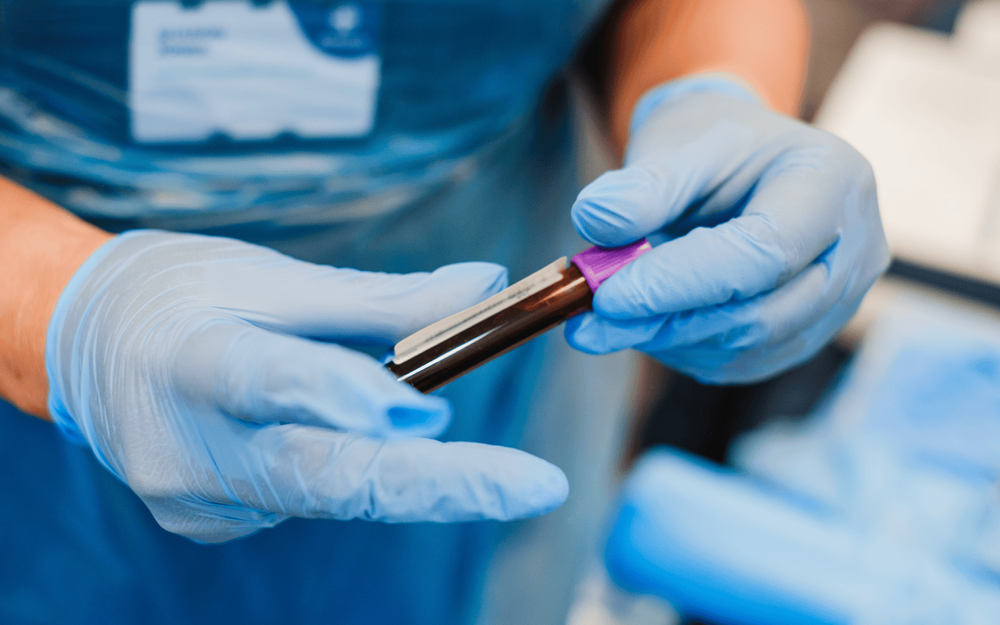
A brings together a range of checks in one appointment. Depending on the package you choose, these can include blood pressure, BMI and waist circumference alongside blood tests covering areas such as cholesterol, diabetes, liver function, kidney function and iron.
Bluecrest has delivered more than 1.3 million Health Assessments, generating 19.9 million blood results and 2.7 million physical results.
Your results are presented using clear green, amber and red flags, helping you see which areas are within the expected range and which may be worth paying attention to. They can also give you useful information to discuss with your GP where appropriate.
Bluecrest data suggests that having a clearer picture of your health can encourage people to take action. Among surveyed customers, 84% said they would focus on a positive health aim after seeing their results.
Your 40s are a good time to take stock
Your 40s can be a useful point to take a fresh look at your health.
You don't need to become hyper-focused on every ache or change. Instead, get to know what's normal for you, pay attention when something changes and make the most of routine health checks.
Small, consistent changes to sleep, activity, diet, alcohol intake and weight can all support your health as you get older.
And you don't have to wait until something feels wrong to check in.
A Bluecrest Health Assessment can give you a broader picture of where things stand, helping you understand your current results and decide what you may want to focus on next.
Dr Martin Thornton
Chief Medical Officer, BluecrestGraham Jones
Medical Writer