What your body is telling you: a guide to health warning signs
Your body can give you plenty of clues about your health. Feeling unusually tired, becoming much thirstier than usual or noticing changes in your weight can all be worth paying attention to.
Sometimes these changes have a simple explanation. Poor sleep, stress, a change in routine or simply getting older can all affect how you feel. Persistent or unexplained changes can also be a reason to speak to a GP.
The challenge is that some common health risks cause few noticeable symptoms in their early stages. High blood pressure and high cholesterol, for example, usually have no symptoms. The only way to know if you have high blood pressure is to have it checked, while high cholesterol is identified through a blood test.
So what should you pay attention to? Here are some of the changes that may be worth discussing with a healthcare professional, along with the checks that can help you build a clearer picture of your health.
Feeling tired all the time
Everyone feels tired sometimes. A few late nights, a busy period at work or a stressful week or two can leave you feeling drained.
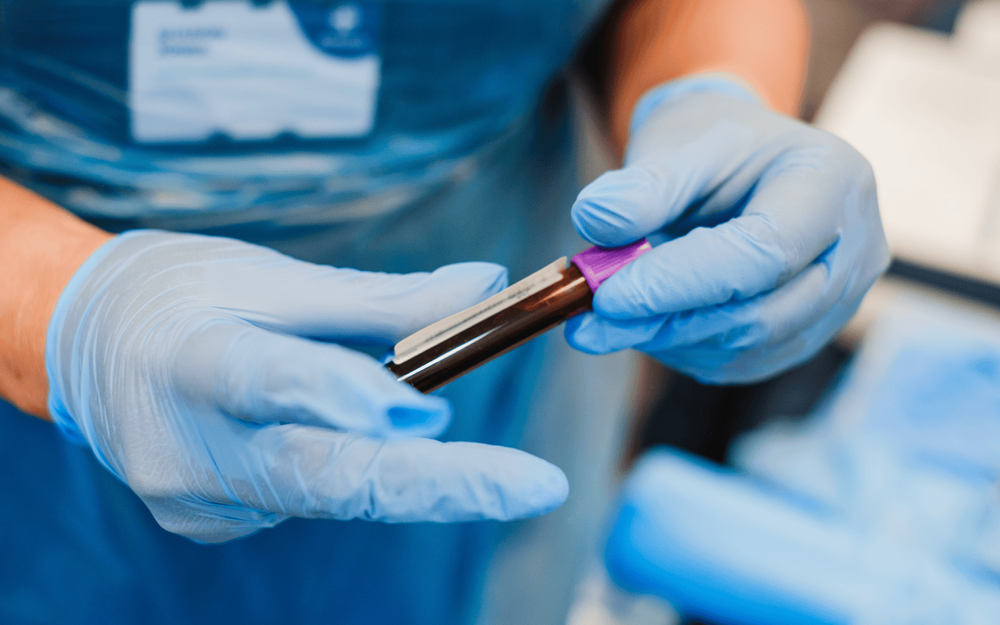
If tiredness has been going on for several weeks, affects your everyday life or has no obvious explanation, it is worth speaking to a GP. The NHS lists several possible causes of ongoing fatigue, including sleep problems, stress, depression, some illnesses and iron deficiency anaemia. Blood tests may be used to investigate possible causes, including anaemia and diabetes.
Iron deficiency anaemia can cause tiredness and a lack of energy, along with symptoms such as shortness of breath, noticeable heartbeats, pale skin and headaches.
Bluecrest data shows that iron-related results can flag potential areas for attention. Around 1 in 3 completed blood profiles returned at least one amber or red flag, while iron deficiency was around seven times more common in women than men in the Bluecrest data set.
Persistent fatigue is a useful reminder that how you feel is only part of the picture. If tiredness continues, a healthcare professional can help investigate the cause.
Feeling unusually thirsty or needing to pee more often
Feeling thirsty after exercise or on a hot day is perfectly normal. Constant thirst, particularly alongside needing to pee more often, feeling very tired or losing weight without trying, can warrant further investigation.
These are among the common symptoms of type 2 diabetes listed by the NHS. Symptoms can develop gradually and some people have no symptoms at all.
Blood glucose testing can help assess your blood sugar levels. HbA1c is one of the tests used to check for type 2 diabetes and reflects your average blood glucose levels over the previous two to three months.
Bluecrest's Health Assessments include diabetes testing as part of their wider health checks, helping you understand this aspect of your health alongside other markers.
If you are experiencing symptoms that concern you, speak to a GP. A health assessment can provide useful information, but it is not a substitute for medical assessment when you have symptoms.
Changes in your weight that you haven't planned
Weight naturally moves up and down over time. Changes to your diet, exercise, stress levels and lifestyle can all have an effect.
Losing weight without changing your diet or exercise routine is something worth discussing with a GP, particularly if it continues. The NHS advises getting unexplained weight loss checked because there are many possible causes, including digestive conditions, hormone problems, mental health conditions and some serious illnesses.
Your weight is also one part of your wider metabolic health. Looking at it alongside measurements such as blood pressure, cholesterol and blood sugar can provide more useful context than focusing on weight alone.
Headaches, dizziness or changes in your vision
Headaches are common and usually have a straightforward cause. Dehydration, stress, lack of sleep and other everyday factors can all play a role.
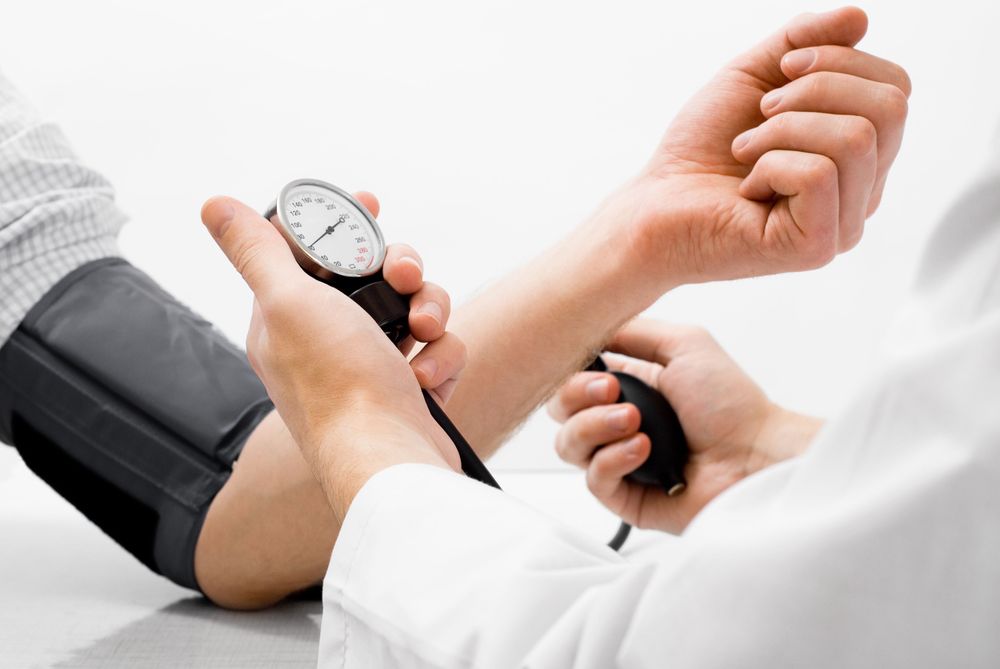
Frequent headaches or blurred vision can sometimes occur with high blood pressure, although high blood pressure usually has no symptoms. Having your blood pressure checked is the only way to know whether it is raised.
Blood pressure is a simple measurement that gives an important insight into your cardiovascular health. It is routinely included in general health checks because high blood pressure can increase your risk of serious conditions such as heart disease and stroke.
If you develop sudden or severe symptoms, seek urgent medical advice rather than waiting for a routine health check.
Getting breathless more easily
Feeling out of breath after running for a bus is expected. Becoming unusually short of breath during activities that you normally manage comfortably is worth paying attention to.
Shortness of breath can have many possible causes, from fitness and respiratory conditions to heart problems and anaemia. The NHS recommends speaking to your GP if breathlessness is getting worse during normal activities.
Iron deficiency anaemia can also cause shortness of breath, particularly when accompanied by tiredness, palpitations or pale skin.
A health assessment can provide information about several factors linked to your overall health, including blood markers and heart health. Any persistent or worsening breathlessness should be discussed with a GP.
Changes to your skin or the whites of your eyes
Your skin can sometimes provide visible clues about what is happening inside your body.
Yellowing of the skin or the whites of the eyes, known as jaundice, can have several causes and should be medically assessed. Other symptoms associated with liver problems can include itchy skin, loss of appetite, nausea, tiredness, dark urine and pale stools.
Many types of liver disease cause few or no symptoms in their early stages. This is one reason liver function testing can be useful as part of a wider health assessment.
Bluecrest has tested liver function in more than 400,000 people. Around 1 in 5 people tested showed an elevated liver marker in its recent data, with 21.3% receiving this result.
The same data also showed that 58.6% of customers with an elevated liver marker had a cholesterol flag and 70% had a BMI flag. This illustrates why looking at several aspects of health together can provide useful context.
Your heart feels like it is racing or skipping beats
You may occasionally notice your heart beating harder or faster, especially after exercise, caffeine, excitement or stress.
Palpitations can feel like your heart is racing, fluttering or skipping a beat. They can have many causes, including stress, medicines, hormonal changes and some health conditions.
If palpitations keep happening, last a long time or occur alongside other symptoms, speak to a GP. The NHS advises urgent assessment for palpitations accompanied by certain symptoms such as significant breathing difficulties.
A health assessment may include an ECG, which records the electrical activity of your heart. Bluecrest's Health MOTs include heart rhythm checks alongside measurements such as blood pressure and cholesterol, depending on the package selected.
What about your mental health?
Changes in your physical health are not the only signs worth paying attention to.
Feeling persistently low, anxious, irritable or overwhelmed can affect your everyday life and may be a sign that you need some support. Changes in sleep, appetite, concentration or motivation can also be worth discussing with a healthcare professional.
Bluecrest's own data highlights the importance of checking in with mental wellbeing. Among men who completed its mental health screening, 32.69% screened positive for symptoms of depression and 35.86% for symptoms of anxiety.
These figures are from people who chose to complete the screening and don't represent the prevalence of depression or anxiety among men generally.
If you are struggling with your mental health, speak to a GP or seek appropriate support. A health assessment can sit alongside that care as part of a broader approach to your wellbeing.
Why one symptom rarely tells the whole story
It's tempting to see one symptom online and immediately connect it to a particular condition. In reality, many common symptoms have several possible causes.
Tiredness could relate to sleep, stress, lifestyle, anaemia or a range of other issues. Weight loss can have many causes. Headaches are common and usually have a straightforward explanation. A single symptom rarely provides enough information to understand what is happening.
This is why looking at your health as a whole can be useful.
Blood pressure, cholesterol, blood sugar, liver function, kidney function, iron levels, body measurements and heart rhythm can each tell you something different. Taken together, they can provide a broader picture of your current health and potential areas to keep an eye on.
Bluecrest has carried out more than 1.3 million Health Assessments, generating 19.9 million blood results and 2.7 million physical results. In 2025 alone, Bluecrest supported 198,207 individuals and delivered more than 10.7 million results.
Among surveyed customers, 84% said they would focus on a positive health aim after seeing their results.
When should you speak to your GP?
A health assessment can be useful for monitoring your health, but it should not delay medical advice when you have symptoms.
Speak to a GP if:
- You have persistent or unexplained tiredness
- You are losing weight without trying
- You are unusually thirsty or need to pee much more often
- You have ongoing changes in your digestion, appetite or general wellbeing
- You are regularly short of breath during normal activities
- You have recurring palpitations
- You notice yellowing of your skin or eyes
- You have symptoms that are new, persistent or getting worse
How a Bluecrest Health Assessment can help
You don't need to wait until something feels wrong to pay attention to your health.
A Bluecrest Health Assessment provides a broad set of health measurements in one appointment. Depending on the package you choose, checks can include blood pressure, heart rhythm, body composition, cholesterol, diabetes, liver and kidney function, iron and other blood markers.
Your results are presented in a personalised Results Report, with each result explained in plain English and given a green, amber or red flag. Where a result needs attention, your report provides follow-up advice on possible next steps.
The aim is to give you information you can use. You might discover that everything looks reassuring, identify something you want to keep an eye on or have a conversation with a GP based on your results.
For people who want to track their health over time, repeat assessments can also provide a useful comparison. Bluecrest data shows that 37.6% of customers who were initially flagged red or amber improved their Metabolic Age when they returned for another assessment.
Listen to your body, then check the facts
Paying attention to changes in how you feel is a useful part of looking after your health. So is understanding the measurements that can reveal changes you cannot feel.
You don't need to diagnose yourself from a symptom. You can take notice, ask questions and get appropriate advice when something feels different.
A Health Assessment can give you a clearer set of health measurements to work from, helping you understand where you are today and what you may want to focus on next.
Frequently asked questions
What are the most common health warning signs?
Common signs worth paying attention to include persistent tiredness, unexplained weight loss, unusual thirst, needing to urinate more often, ongoing breathlessness and recurring palpitations. Some important health risks, including high blood pressure and high cholesterol, usually have no symptoms, which is why routine checks can be valuable.
Can a health assessment detect health problems?
A health assessment can identify results that fall outside the expected range and highlight areas that may need further attention. It cannot diagnose every health condition. Bluecrest results are presented with green, amber or red flags and follow-up advice. Critical results are communicated promptly.
How often should you have a health assessment?
How often you should have health checks depends on your age, health, family history, risk factors and whether you have any existing conditions. The NHS Health Check is offered every five years to eligible adults aged 40 to 74 in England.
If you choose private health screening, you can discuss the appropriate frequency with your healthcare professional and use repeat assessments to monitor changes over time.
What should I do if I have a symptom that worries me?
Speak to a GP if a symptom is persistent, unexplained or getting worse. A private health assessment can provide additional health information, but it should not replace medical advice when you have symptoms that need investigation.
What does a Bluecrest Health Assessment include?
Bluecrest offers three levels of general Health MOT: Active, Core and Complete. The checks included vary by package, with the more comprehensive options covering additional blood markers and tests. All general Health MOTs include a personalised Results Report and access to a 24/7 GP helpline.