Symptoms you shouldn’t ignore after 50
Your 50s can bring plenty of changes to your body. You may notice that you don't recover quite as quickly after exercise, your sleep has changed or your joints feel stiffer than they used to.
Many of these changes are a normal part of getting older. Others can be influenced by hormones, lifestyle, medication or changes in your general health.
The important thing is knowing what's worth paying attention to. A new symptom doesn't automatically mean something is wrong, but a change that persists, gets worse or feels unusual for you is worth understanding.
Here are some of the changes worth knowing about after 50, and what you can do if you notice them.
Changes in your energy and strength
Feeling a little less energetic than you did in your 30s is hardly unusual. You may need more recovery time after exercise or find that a busy week takes more out of you.
But there's a difference between needing a little more rest and experiencing a noticeable or ongoing drop in your energy or strength.
You might find that everyday activities such as climbing stairs, carrying shopping or getting up from a chair have become noticeably harder. You may also feel tired despite getting enough sleep.
There are many possible reasons for persistent tiredness, including poor sleep, stress, low mood, medication, hormonal changes and iron deficiency anaemia.
It's also normal to lose some muscle mass as you get older. Staying active and doing exercises that maintain muscle strength can help you remain strong and independent.
If you've noticed a significant change in your energy or physical strength that you can't explain, it's worth discussing it with a healthcare professional.
Changes around the menopause
For women, the years around and after menopause can bring significant physical and emotional changes.
Hot flushes, night sweats, disrupted sleep, mood changes, difficulty concentrating, vaginal dryness and changes in libido are all possible symptoms. Some women have many symptoms, while others have relatively few.
The average age of menopause in the UK is around 51, although it can happen earlier or later.
It's easy to assume that difficult symptoms are simply something you have to put up with. You don't. If symptoms are affecting your sleep, work, relationships or enjoyment of everyday life, there are treatments and lifestyle approaches that may help.
The years around menopause are also a useful time to think more broadly about your health, including bone strength, cardiovascular health and muscle mass.
Changes in your balance or mobility
You might become a little less steady as you get older, particularly if you've been less active. But a noticeable change in your balance or mobility is worth paying attention to.
Perhaps you're less confident on stairs, have started avoiding activities because you're worried about falling or find that you're struggling with movements that used to feel easy.
Balance can be affected by muscle strength, eyesight, medication and problems affecting the inner ear, among other things.
Regular physical activity can help maintain strength and balance as you age. If you've experienced a fall, repeated near-falls or a noticeable change in your mobility, it's worth finding out what may be contributing to it.
Changes in your urinary habits
Needing to get up more often during the night or finding it harder to start or stop urinating can become more common after 50.
For men, an enlarged prostate is one possible cause. It's common as men get older and isn't usually caused by prostate cancer, but urinary symptoms can still be worth discussing with your GP if they're persistent or troublesome.
Women can also experience changes in bladder function, particularly around and after menopause. Hormonal changes can affect the tissues around the bladder and urethra and may contribute to urinary symptoms.
There are several possible explanations for changes in how often you urinate or how easily you can empty your bladder. Understanding the cause can help you find the right way to manage it.
Changes in your weight or appetite
Weight naturally changes throughout life. Your activity levels, diet, stress, medication and hormonal changes can all affect it.
A gradual shift that follows a deliberate change to your diet or exercise isn't necessarily concerning. Losing weight without trying, particularly if it continues or comes with a reduced appetite or other unexplained changes, is different.
The same applies to a persistent change in your appetite that you can't easily explain.
There are many possible causes of unintentional weight loss, from changes in appetite and digestion to medication and other health conditions. It doesn't automatically mean there's something seriously wrong, but a continuing unexplained change is worth discussing with a GP.
Changes in your vision, hearing or skin
Some changes to your senses are a normal part of getting older.
You may find that you need reading glasses, brighter lighting or more time to focus on small print. Hearing can also change gradually, with conversations becoming harder to follow or the television needing to be louder.
These changes don't necessarily indicate an underlying illness. Sometimes an updated prescription, hearing assessment or simple adjustment can make a significant difference. However, it's still worth checking changes rather than simply accepting them as part of getting older.
Your skin also changes throughout adulthood. Most new marks and moles are harmless, but it's useful to know what's normal for you. Look out for a mole that changes in size, shape or colour, starts bleeding or becomes persistently itchy. A new mark that doesn't heal is also worth having assessed.
Persistent breathlessness or chest symptoms
Getting out of breath after strenuous exercise is normal. You might also notice a gradual change in your fitness if you've been less active.
A noticeable change in how easily you become breathless is worth paying attention to, particularly if everyday activities that used to feel comfortable now leave you unusually short of breath.
Fitness, weight, anaemia and respiratory conditions can all affect your breathing. Cardiovascular health can also play a role.
The same applies to new or recurring chest discomfort or unusual palpitations. There are many possible causes, including some that are relatively straightforward, but persistent or unexplained symptoms shouldn't simply be attributed to age.
If you experience sudden chest pain that doesn't go away, particularly if it spreads to your arm, neck, jaw, stomach or back, or occurs alongside sweating, nausea or breathlessness, call 999.
Changes in your memory, mood or concentration
Everyone forgets things. Misplacing your keys or walking into a room and forgetting why you're there doesn't necessarily mean there's a problem.
Stress, poor sleep, anxiety, medication and hormonal changes can all affect memory and concentration. For women, menopause can be an important factor too.
What matters is whether a change is becoming persistent or beginning to interfere with everyday life.
If you're repeatedly forgetting important information, struggling with familiar tasks or noticing a significant change in your mood or behaviour, it's worth talking to a GP.
It can also help to consider the wider picture. Changes in sleep, energy, medication, alcohol intake and stress can all affect how you feel and think.
When a change is worth getting checked
You don't need to worry every time your body does something different. Many symptoms have straightforward explanations and may settle on their own.
A useful rule of thumb is to pay attention when a change is:
- New: it's noticeably different from your usual health
- Persistent: it doesn't settle or keeps returning
- Progressive: it's becoming more noticeable or affecting everyday life
- Unexplained: you can't link it to an obvious change in lifestyle or circumstances Keeping a simple note of when a symptom started, how often it happens and whether anything seems to make it better or worse can also be useful. It gives you something concrete to discuss if you decide you need medical advice.
And remember that not every symptom needs a medical investigation. Sometimes, understanding the likely cause and keeping an eye on it is all that's needed.
Your 50s are also about what you can't feel
Symptoms are only one part of the picture.
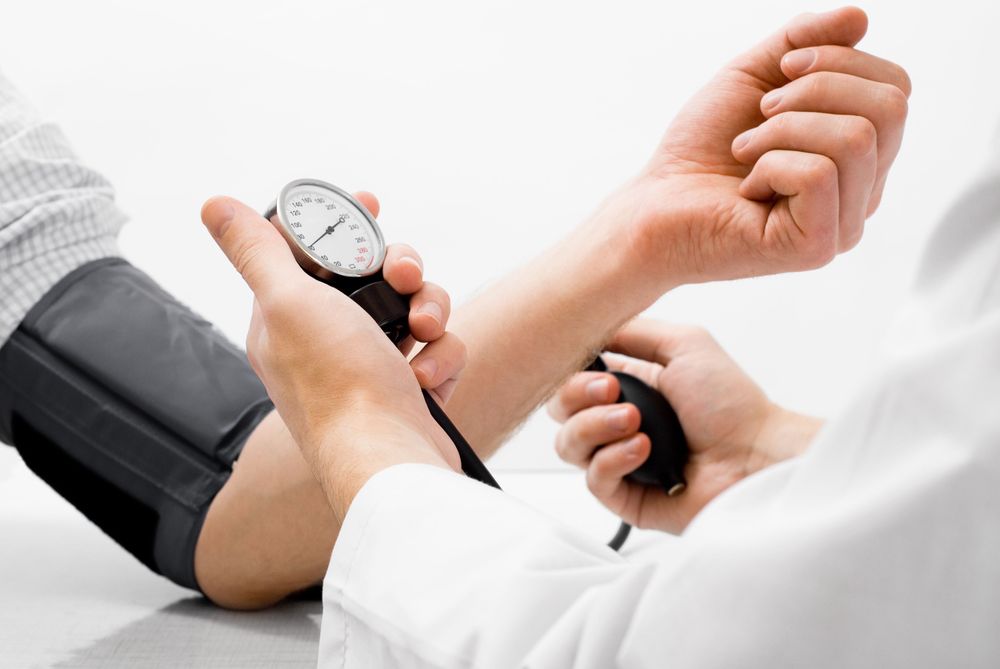
Some of the health measures that matter to your longer-term wellbeing don't produce noticeable symptoms. High blood pressure and high cholesterol, for example, usually have no obvious warning signs. Type 2 diabetes can also develop gradually, sometimes without you realising that your blood sugar has changed.
This is where knowing your numbers can add something that simply paying attention to how you feel can't.
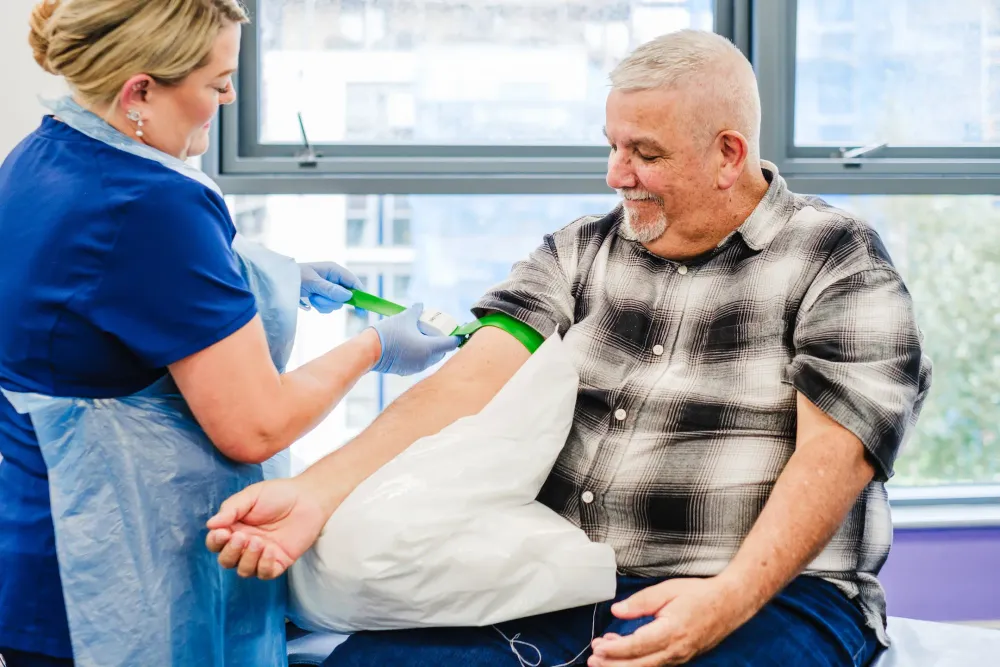
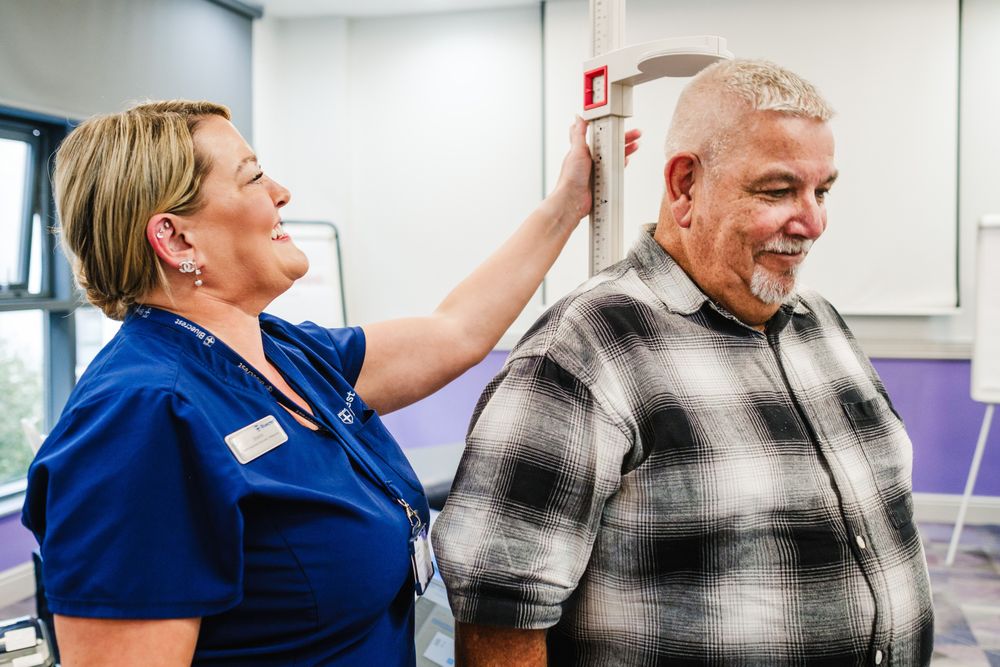
The NHS Health Check is available to eligible adults aged 40 to 74 in England and looks at factors including blood pressure, cholesterol, weight and diabetes risk.
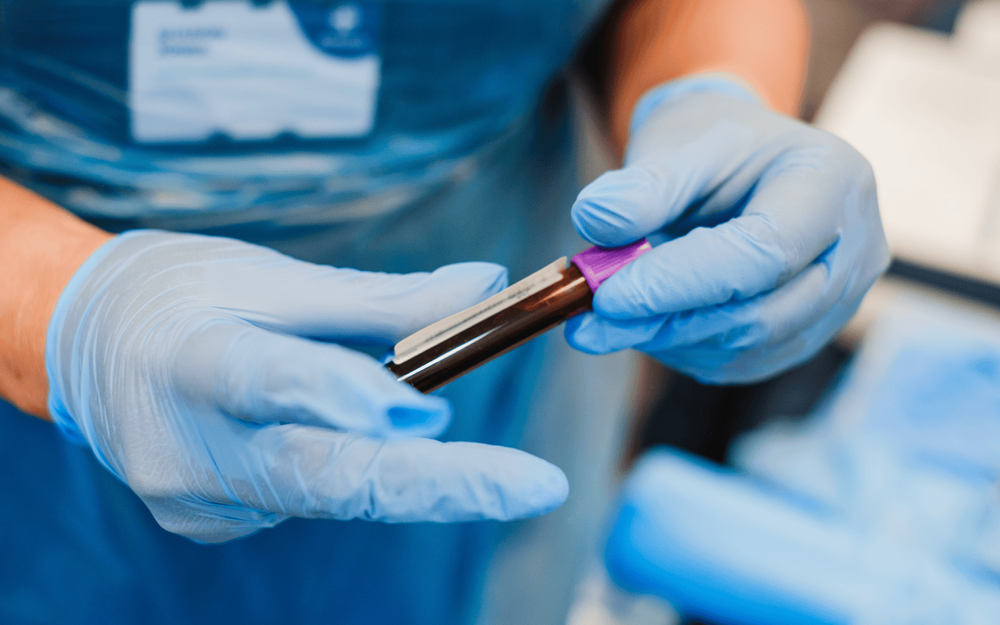
A private health assessment can provide a broader range of measurements and blood tests, depending on the package you choose.
Bluecrest data shows that around 1 in 3 completed blood profiles returned at least one amber or red flag. That is a Bluecrest customer finding rather than a figure representing the UK population as a whole, but it illustrates that potentially useful health information isn't always something you can feel.
Looking after your health after 50
Getting older doesn't mean you should worry about every ache, forgotten name or change in your routine.
It's about becoming more aware of what's normal for you. Some changes are simply part of getting older. Others can be improved through lifestyle changes, managed with the right support or worth discussing with a healthcare professional.
And some important health measures can't be felt at all.
A Bluecrest Health Assessment can give you a broader picture of where your health stands, bringing together physical measurements and blood tests in one appointment.
Seeing your results can help you understand what's going well and identify areas you may want to focus on next.
Dr Martin Thornton
Chief Medical Officer, BluecrestGraham Jones
Medical Writer