Vitamin D and Calcium for Wheelchair Users: Why Your Needs May Be Different
Spending less time outdoors and doing less weight-bearing activity both affect how much vitamin D and calcium your body needs, and how well it can use them. Here is what that means in practice.
Vitamin D and calcium work closely together. Vitamin D controls how much calcium your body absorbs from food. Calcium provides the mineral framework that bones are built from. For wheelchair users, both can become depleted through mechanisms linked to reduced mobility and time spent indoors. The consequences go well beyond bone health.
Why vitamin D is a particular concern
Around 80 to 90% of the body's vitamin D comes from sunlight. Between October and March, the UK sits too far north for this to work at all. This makes deficiency a seasonal risk for almost everyone. But wheelchair users face additional barriers throughout the year.
Several factors reduce the body's ability to make vitamin D. These include spending more time indoors, time in vehicles where windows block the right wavelengths of light, and having less total skin surface exposed to sunlight. People with darker skin need more sun exposure to produce the same amount. People carrying excess weight also have lower vitamin D availability, because it is stored in fat tissue rather than remaining in circulation where the body can use it.
The result is that some groups of wheelchair users may be at increased risk of vitamin D deficiency compared with the general population.
What vitamin D does beyond bones
Most people associate vitamin D with bone health, and that association is correct. Without adequate vitamin D, calcium absorption falls to a fraction of normal, increasing bone loss over time. But vitamin D also plays a role in muscle function, immune health, mood regulation, and heart health (cardiovascular health). All of these matter considerably to wheelchair users.
Low vitamin D is associated with reduced muscle strength, which has direct implications for independence and function. It is also associated with increased susceptibility to infection and lower mood.
What to do
The NHS recommends 10 micrograms (400 IU) of vitamin D daily through autumn and winter for all adults. Year-round supplementation is appropriate for people who are rarely outdoors, have darker skin, carry excess weight, or cover most of their skin. For many wheelchair users, year-round supplementation is the right default.
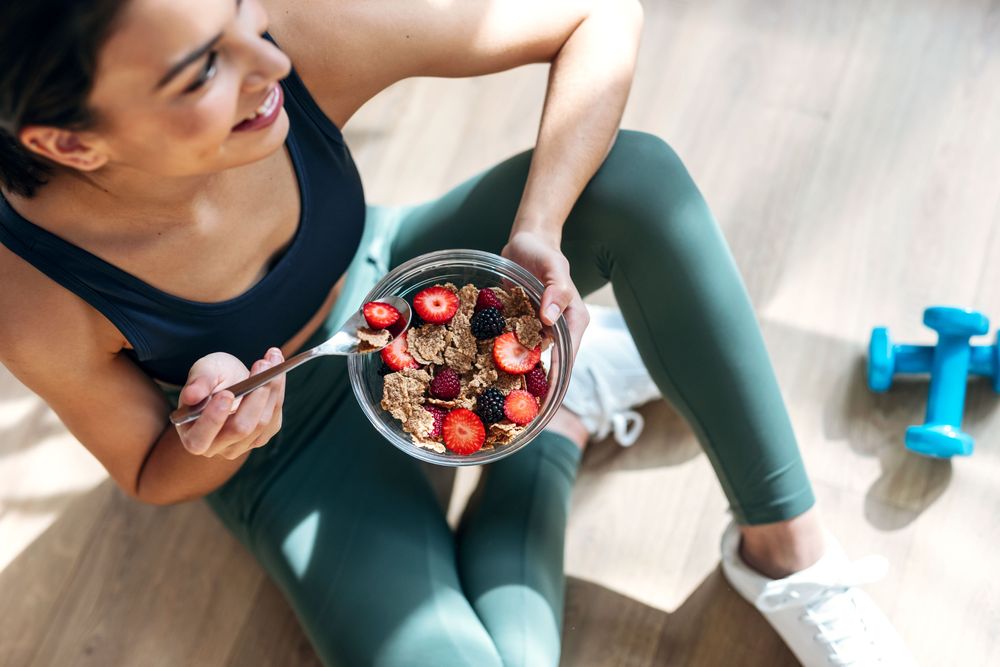
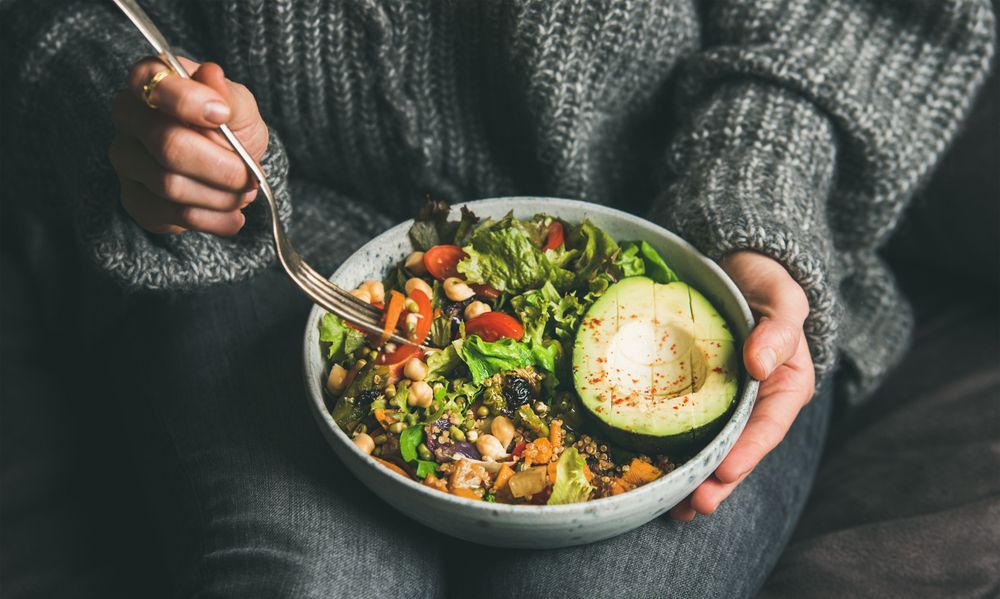
Food sources include oily fish, egg yolks, fortified cereals, and fortified plant milks. But diet alone is not enough to make up for limited sun exposure.
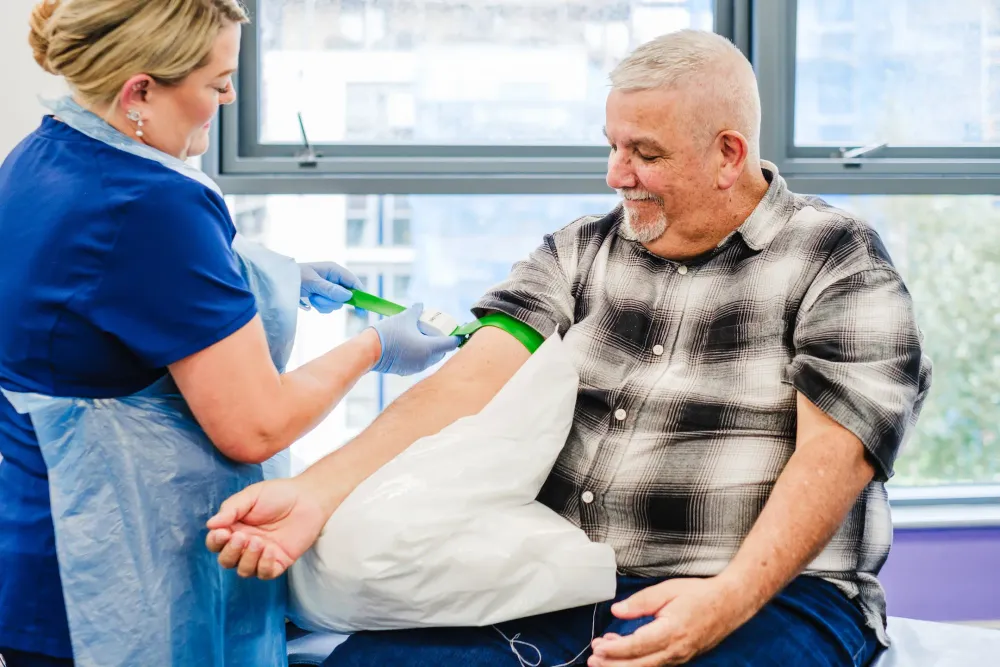
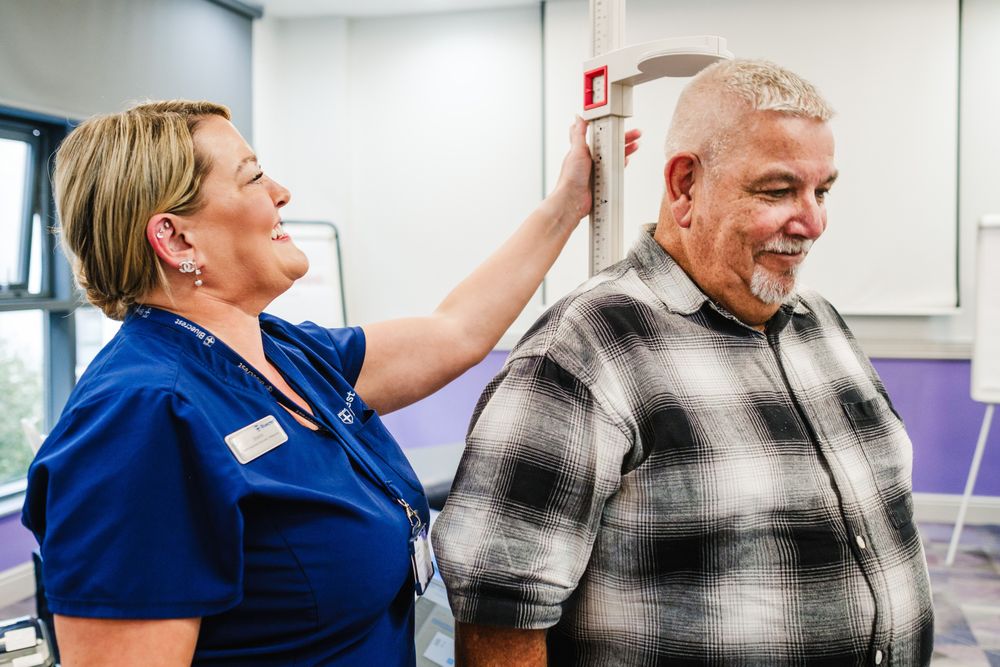
If you have not had your vitamin D level checked recently, it is worth raising with a GP. A Bluecrest assessment that includes vitamin D will show where your level sits.
Calcium
Calcium is stored almost entirely in bone and teeth. When dietary intake is low, the body draws on bone stores to maintain blood levels. This means deficiency shows up as bone loss rather than a low blood test result.
Adequate calcium intake is essential for protecting the bone that remains in the upper body and spine. These areas carry considerably more load from wheelchair use and transfers. The UK recommended intake is 700mg per day. Good sources include dairy products, fortified plant milks, tinned sardines and salmon eaten with the bones, green leafy vegetables, almonds, and fortified cereals.
The key interaction
Calcium supplementation without adequate vitamin D provides limited benefit. Vitamin D is required to absorb calcium from the gut. At low vitamin D levels, only a small fraction of dietary calcium is actually taken up. Addressing vitamin D first, or alongside calcium, produces better outcomes than calcium alone.
This article is for general health information purposes and does not constitute medical advice. If you have concerns about your vitamin D or calcium levels, please speak with a healthcare professional.
Dr Martin Thornton
Chief Medical Officer, BluecrestAnna Jones
Chief Nursing Officer, Bluecrest